Dr. Dharmendra Khandal in Conversation with Vulture Conservation Expert Dr. Dau Lal Bohra
The steep decline in India’s vulture populations has underscored the need for their conservation. Rajasthan’s extensive open landscapes, the diversity of vultures found here, and the migratory birds arriving in winter give the state particular importance. In this interview, Dr. Dharmendra Khandal speaks with Dr. Dau Lal Bohra about the status of vultures, the effects of veterinary drugs, threats from electricity infrastructure, and priorities for conservation.
Question 1: Why should Rajasthan receive particular attention in discussions about vulture conservation in India?
Dr. Dau Lal Bohra: Evidence from Rajasthan played an important role in identifying the extraordinary decline in India’s vulture populations. Subsequent surveys established that the crisis extended well beyond any single region.
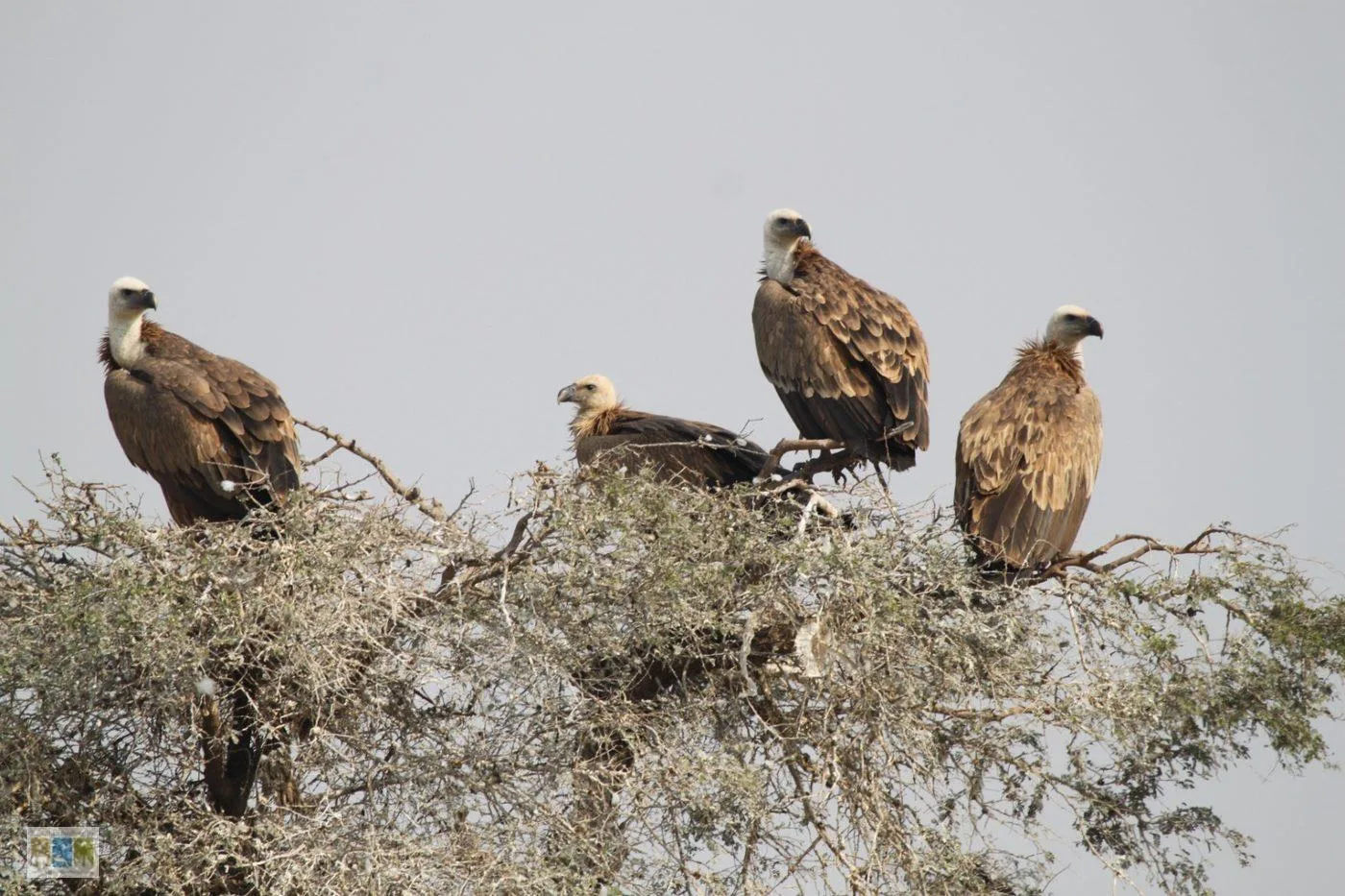
Rajasthan is also important because of its extensive open landscapes and the vulture species found here. Alongside resident vultures, the state receives winter migrants. Its responsibility therefore includes protecting resident populations and providing safe food and roosting sites for migratory birds.
In my view, national conservation programmes should recognise this role more clearly and provide resources proportionate to it.
Question 2: Which vulture species occur in Rajasthan?
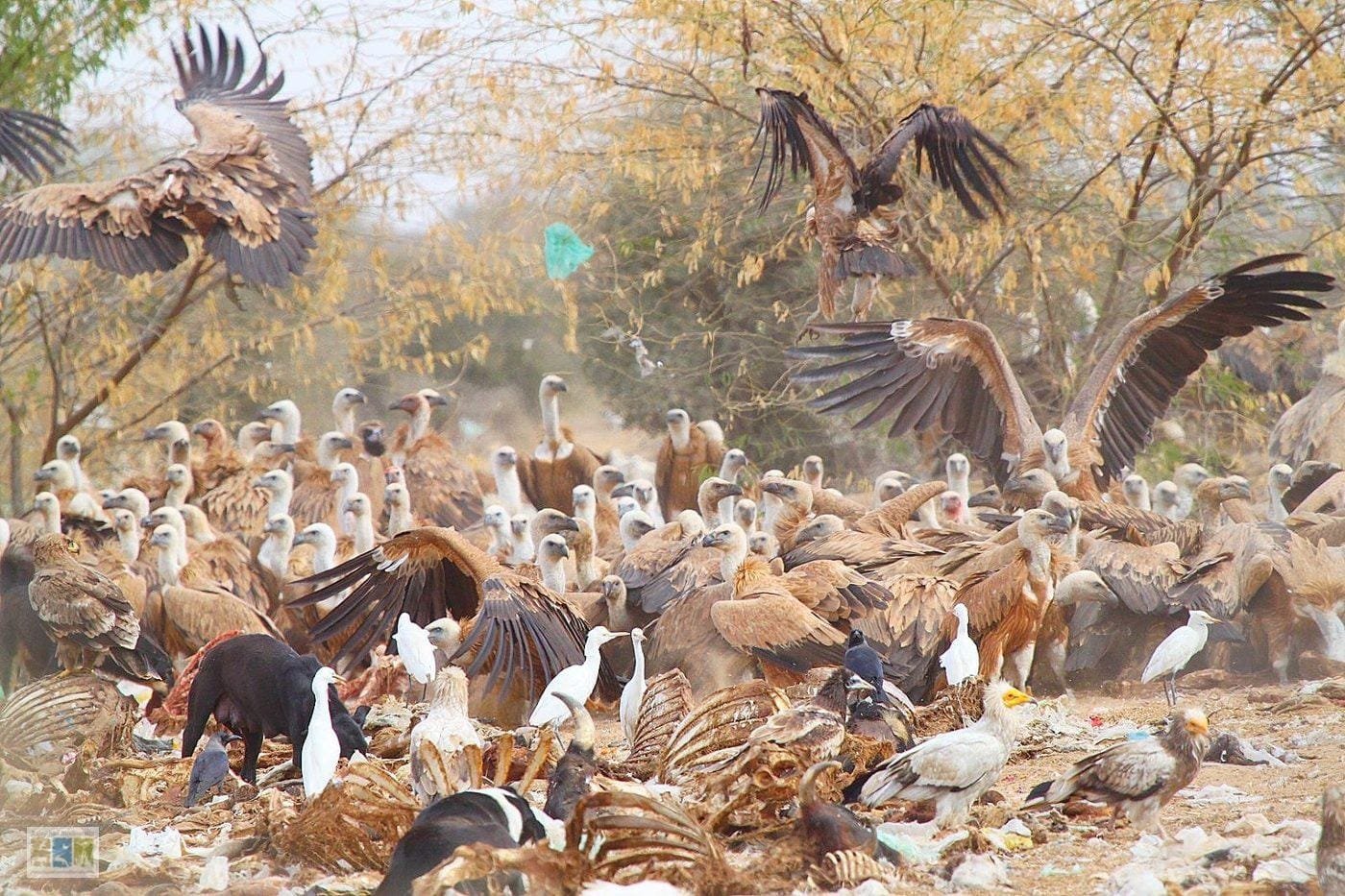
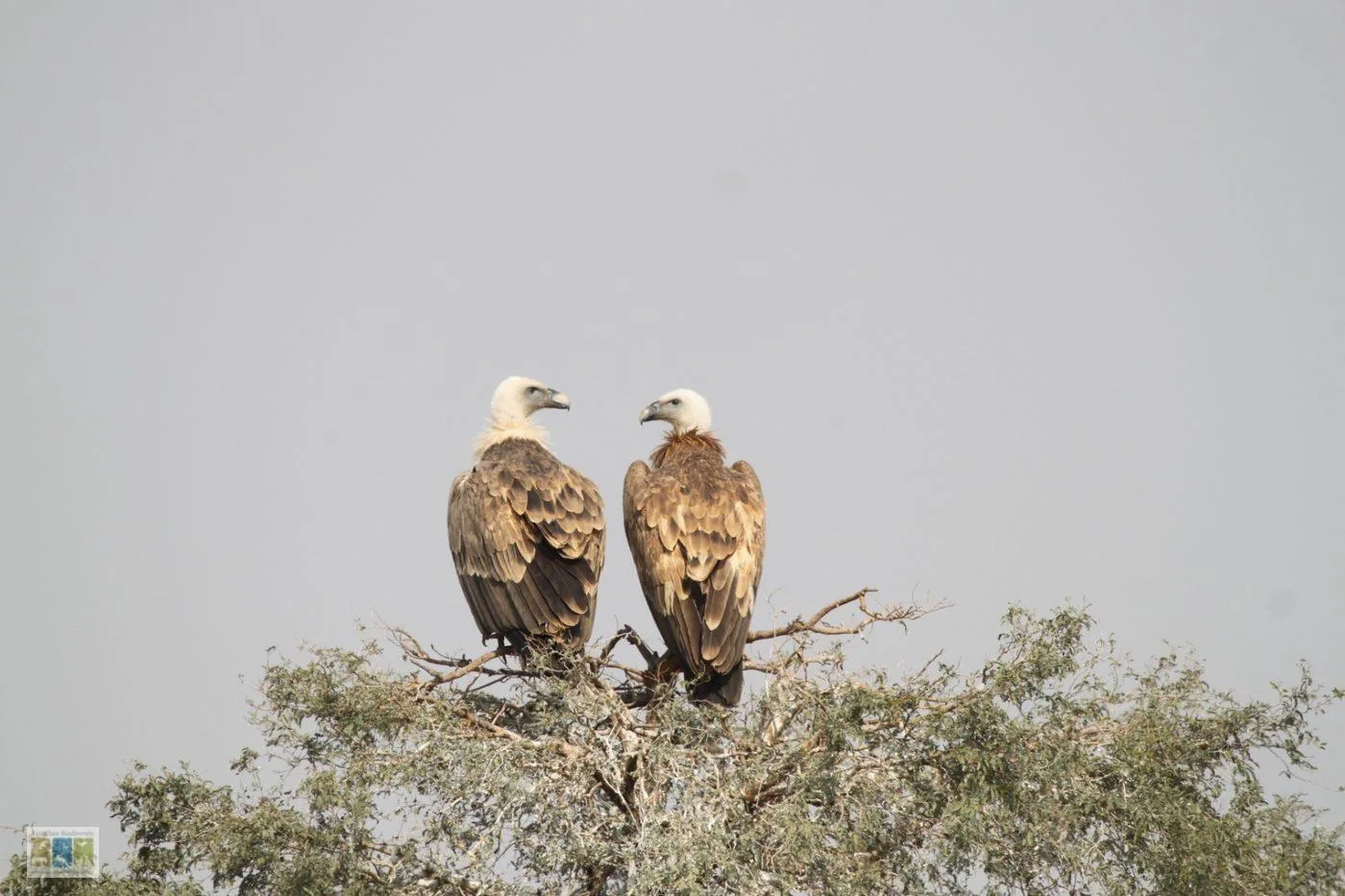
Dr. Dau Lal Bohra: Seven species are reported from Rajasthan: the Indian Vulture, White-rumped Vulture, Eurasian Griffon, Himalayan Griffon, Egyptian Vulture, Cinereous Vulture and Red-headed Vulture.
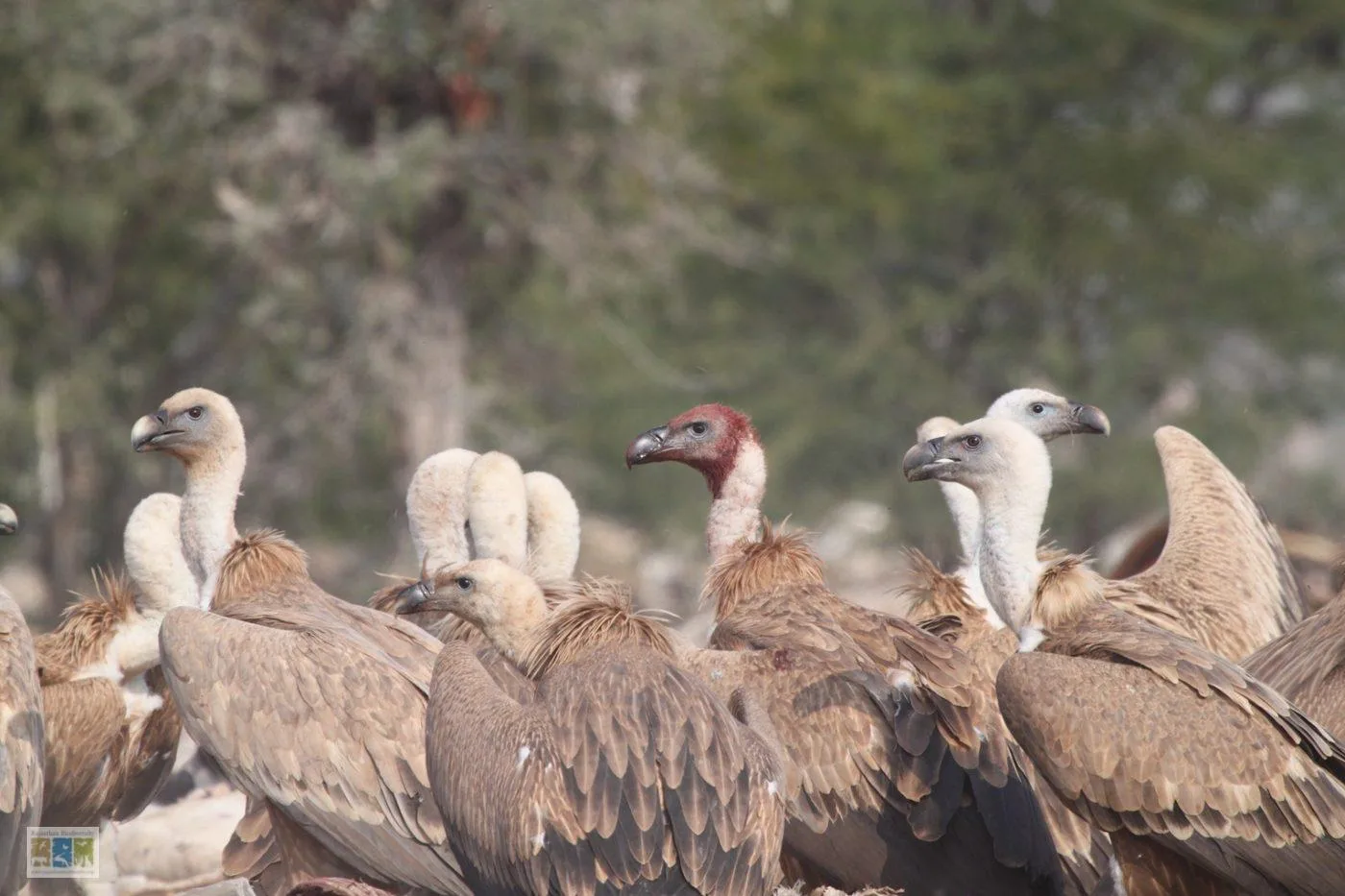
Some also have older or alternative common names. For example, the Indian Vulture is also known as the Long-billed Vulture, while the Red-headed Vulture has been called the King Vulture. We must avoid counting the same species twice because it has different names.
It is also necessary to distinguish species from subspecies. When discussing resident and visiting populations of the Egyptian Vulture, we should be clear that these are not being counted as separate species.
Question 3: How would you describe the current status of vultures in Rajasthan?
Dr. Dau Lal Bohra: It is useful to consider the western desert region separately from the eastern and southeastern landscapes associated with the Aravallis.
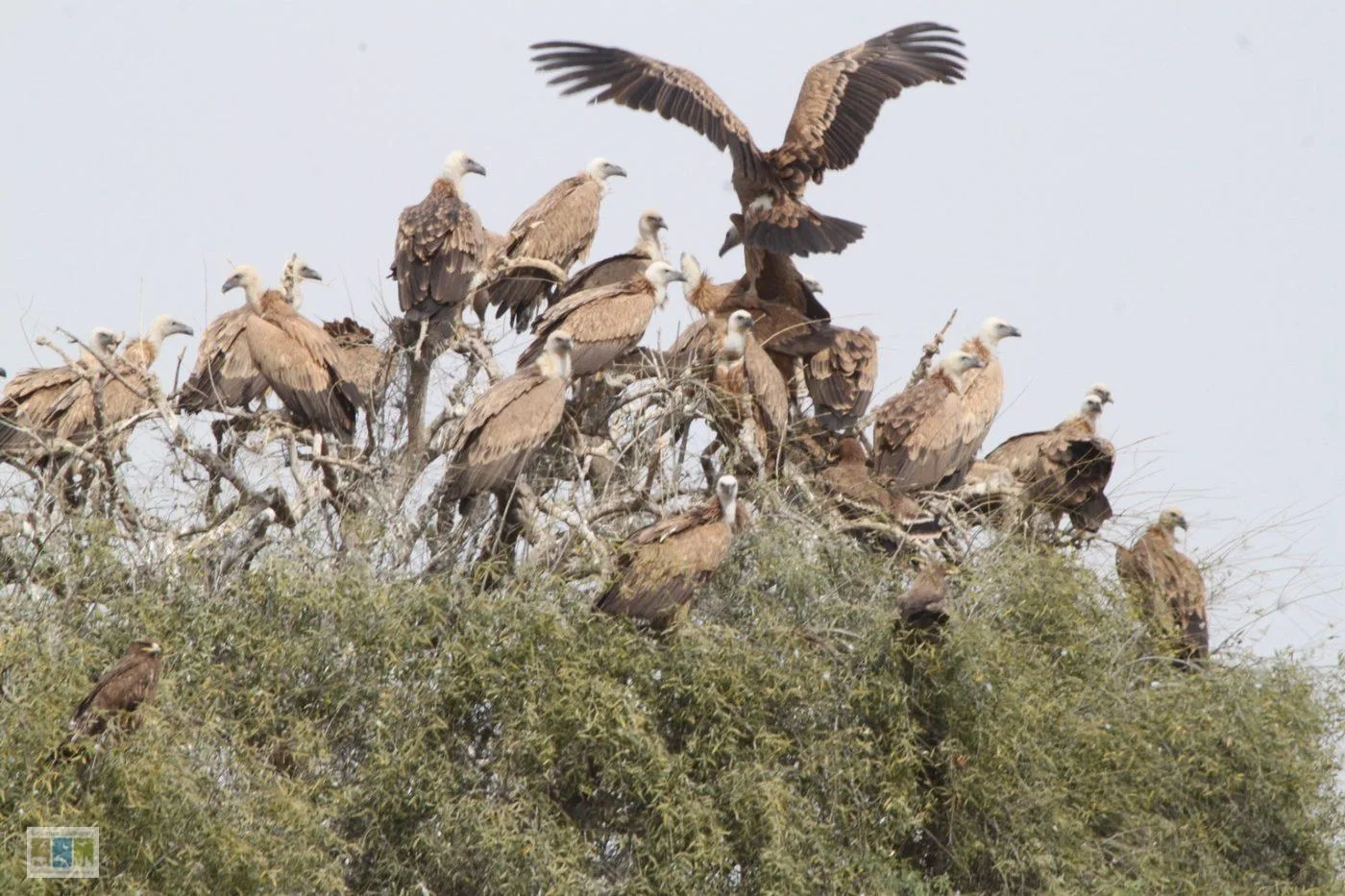
In the west, Jaisalmer, Barmer, Bikaner, Jodhpur and their surrounding areas are important. We must also consider vulture occurrence in Dholpur, Karauli, Ranthambhore, Bundi, Kota, Jhalawar and the adjoining landscapes.
Based on my field experience, I estimate that Rajasthan’s resident vulture population may be around 3,500. However, this should not be treated as the result of a verified statewide census.
Regular monitoring that records resident and migratory vultures separately is essential. Only then can we reliably understand how many vultures there are, where breeding takes place, and where populations are declining.
Question 4: Why did veterinary drugs remain a threat to vultures after restrictions were imposed on diclofenac?
Dr. Dau Lal Bohra: A drug being banned and its use ending completely are two different things. Even after veterinary diclofenac was prohibited, the use of human formulations in animals remained a concern. The subsequent restriction on large multidose vials addressed this problem.
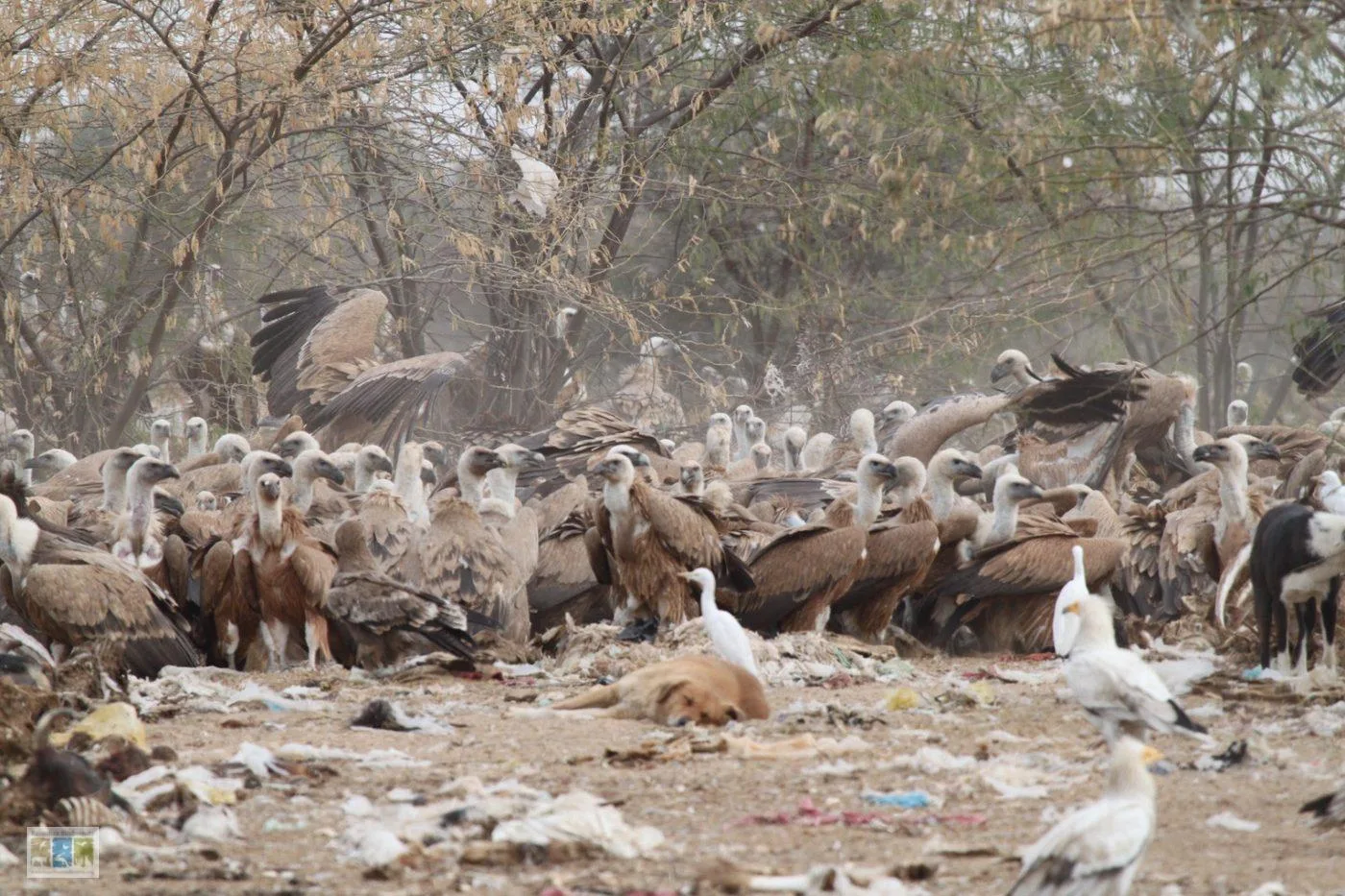
The central issue is monitoring and compliance. We need to examine which medicines livestock owners can obtain, how those medicines are used, and whether prohibited products remain available in the market.
Issuing an order alone is insufficient. Veterinarians, medicine retailers and livestock owners need accurate information. Veterinary alternatives that are safe for vultures must also be available.
Question 5: Are drugs other than diclofenac also a concern?
Dr. Dau Lal Bohra: Yes. Drugs such as aceclofenac, ketoprofen and nimesulide are also important in this discussion. Monitoring diclofenac alone will not be sufficient for vulture conservation.
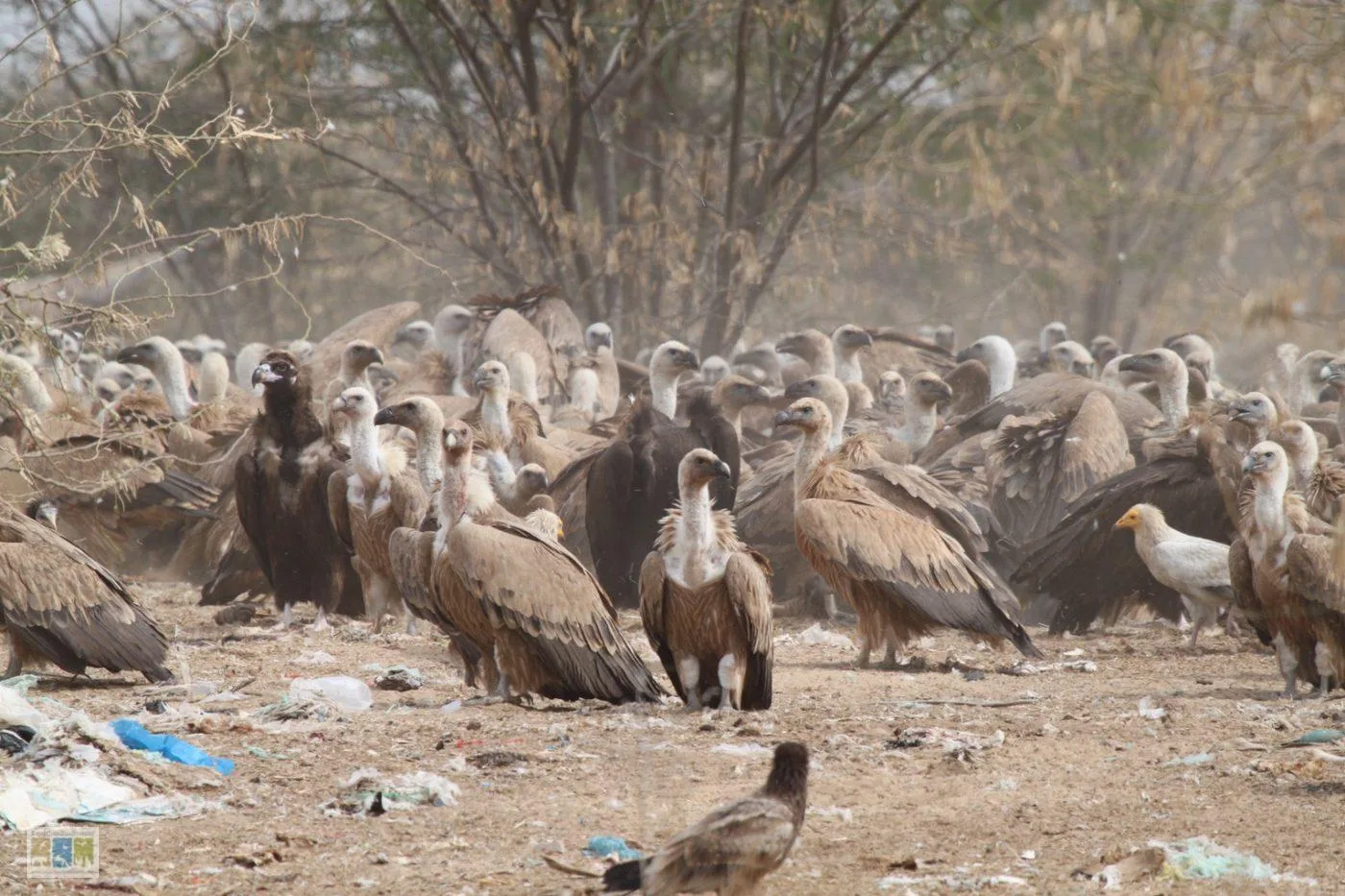
Medicines used in livestock must be assessed for their safety to vultures and regulated accordingly. We must also examine which alternatives are replacing prohibited drugs.
To understand the actual effects of these measures, we need to monitor drug availability, their use in livestock, and incidents of vulture mortality together.
Question 6: Apart from veterinary drugs, what are the most serious threats facing vultures in Rajasthan?
Dr. Dau Lal Bohra: In my experience, deaths associated with power lines and electricity poles are a serious concern. Particular attention is needed for 11 kV and 33 kV lines whose design does not adequately account for bird safety.
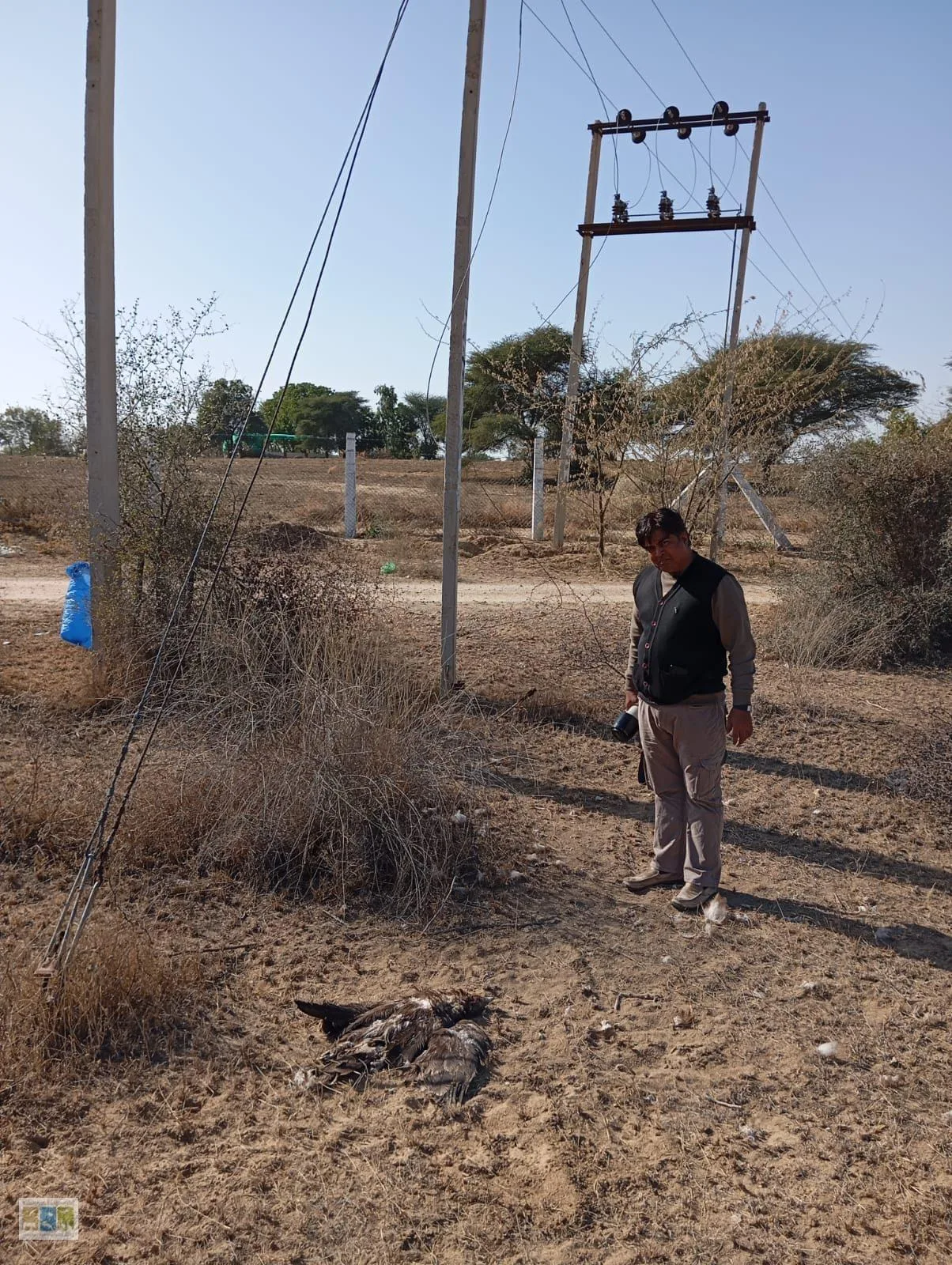
While perching or taking flight, a bird may simultaneously touch an energised component and another contact point, resulting in electrocution. Collision with wires is a separate threat. The causes and remedies for these two problems need to be understood separately.
As energy projects and their associated infrastructure expand in western Rajasthan, bird safety must become part of project planning. Particular care is needed around vulture feeding sites, regular perching locations and movement routes.
Question 7: Can modifications to electricity poles and wires reduce these risks? What would they cost?
Dr. Dau Lal Bohra: Technical modifications are possible. The first step is to identify poles and lines where vultures regularly perch or where deaths have been recorded. Appropriate improvements can then be determined with the help of technical specialists.
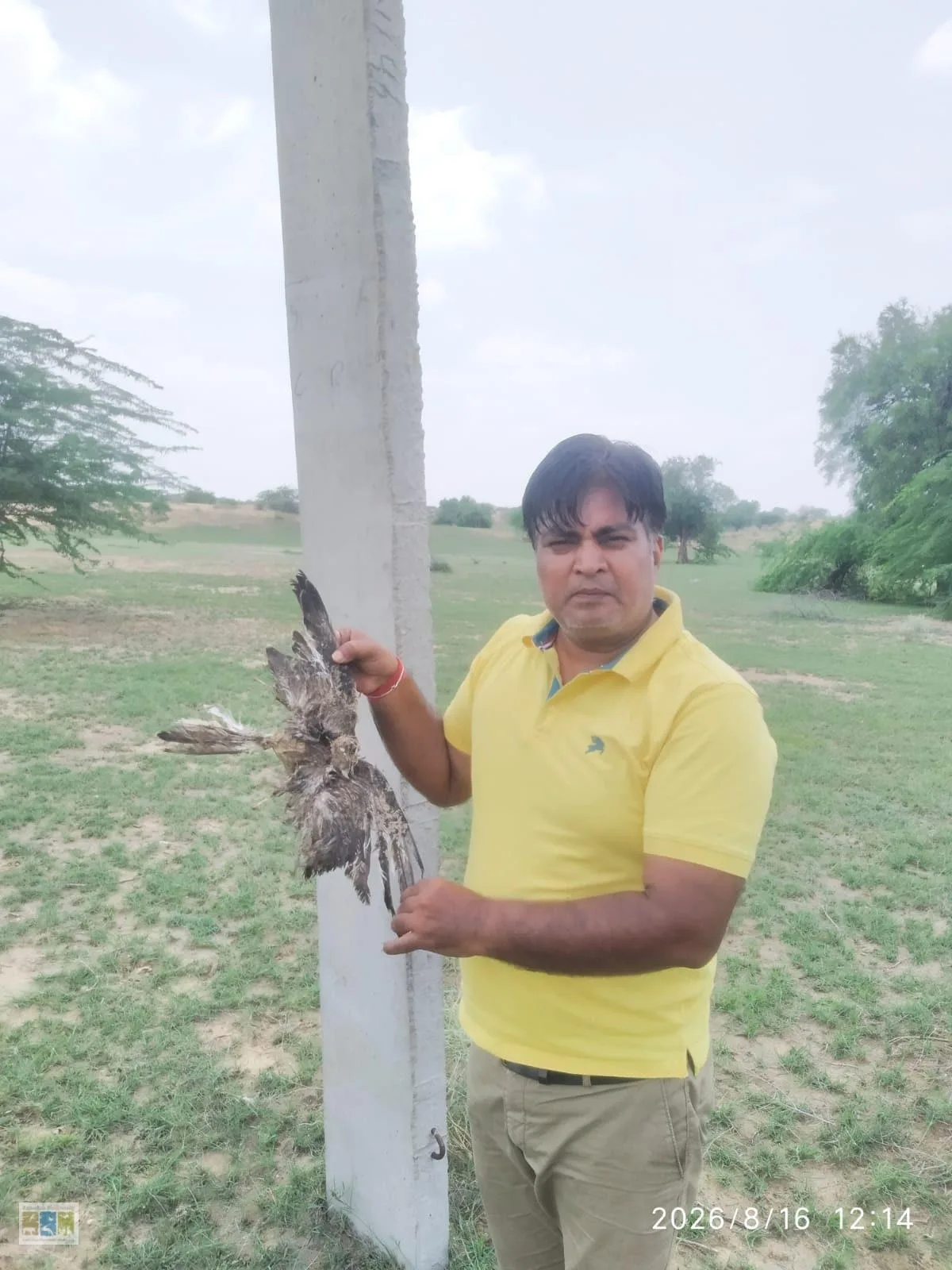
Changes to pole design, protective covers over hazardous contact points, and insulation where required may help. Poles near feeding sites and night roosts should receive priority.
It would not be appropriate to quote a single cost per pole. The expense depends on the existing structure, the modifications required and the materials used. A risk survey and technical assessment should come first.
Question 8: How do you view Rajasthan’s existing vulture conservation efforts? Where is improvement needed?
Dr. Dau Lal Bohra: Positive efforts have been made in Rajasthan. Jorbeer in Bikaner is an important example. Sites such as this provide a foundation for further conservation work.
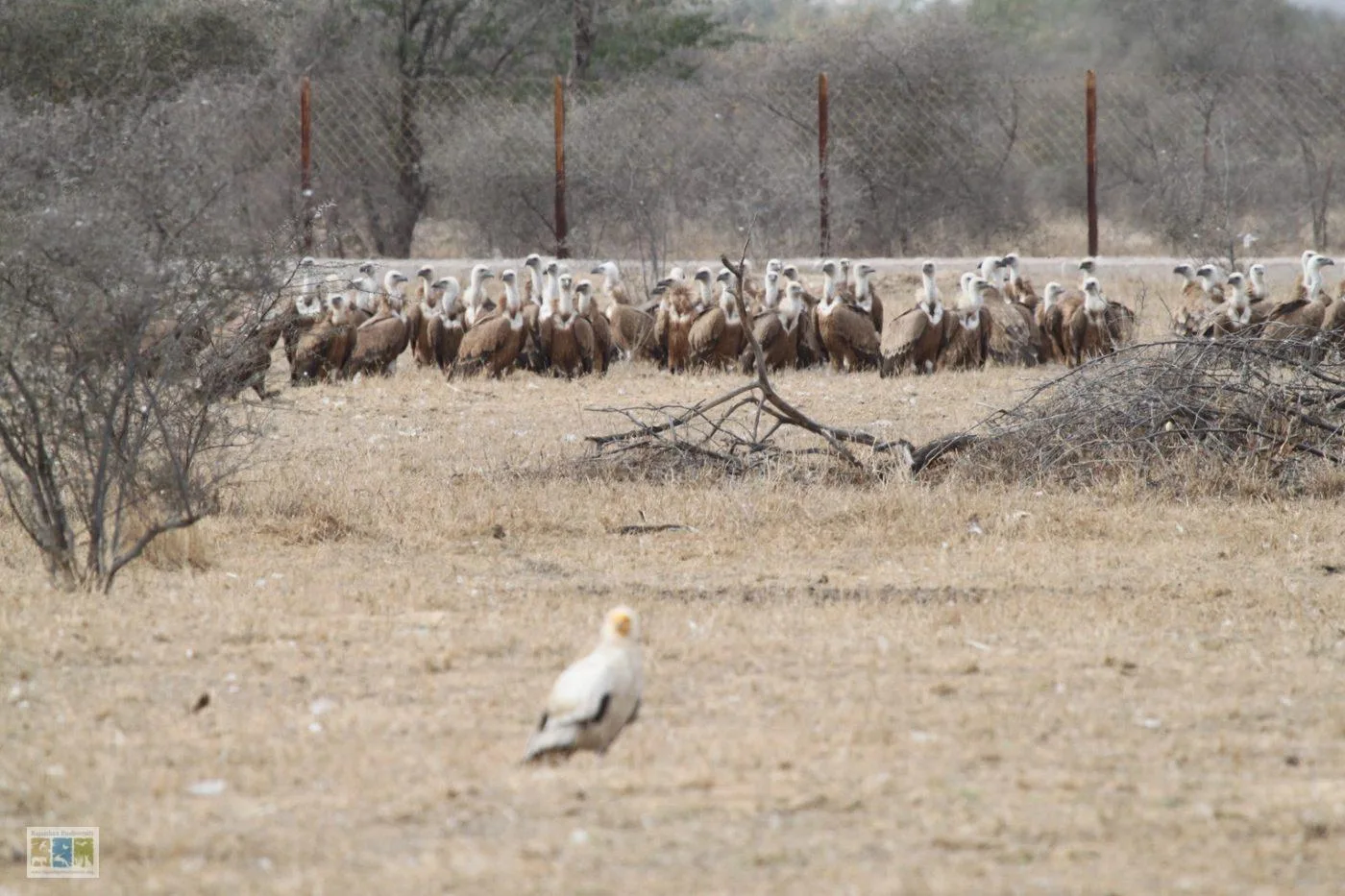
These efforts should extend to other important areas. Across western Rajasthan, we need to ensure safe food and roosting sites for resident and migratory vultures while reducing risks from electricity infrastructure.
In my view, the state’s efforts deserve greater support at the national level. Given the importance of Rajasthan’s resident populations and visiting migratory vultures, adequate resources should be available for long-term monitoring and conservation.
Question 9: Could Rajasthan establish regular district-level vulture counts with the help of birdwatchers and local groups?
Dr. Dau Lal Bohra: Certainly. This would be a valuable initiative. It requires a clear method, training and consistency. A single-day count should be supported by systematic monitoring at other times of the year.
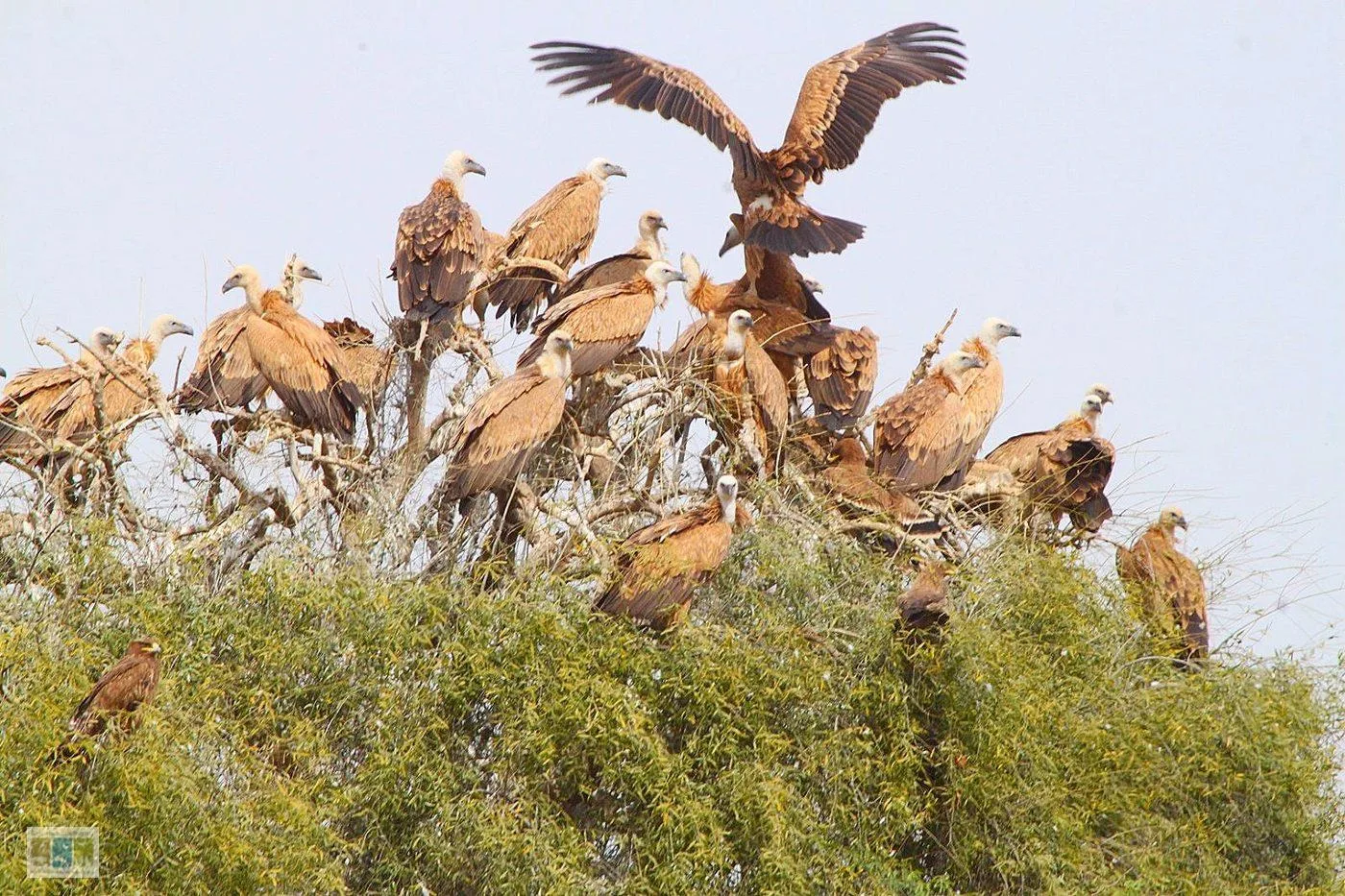
An appropriate period can be selected for counting resident vultures, while migratory vultures should be monitored separately in winter. Nests, night roosts and feeding sites also need to be documented. Coordination between groups is necessary to avoid double counting.
A central coordination group should check the data, and the results should be published annually. There may be difficulties initially, but consistently following the same method will allow us to understand population changes.
Question 10: What role should local people play in monitoring and conservation?
Dr. Dau Lal Bohra: Local participation is fundamental. Areas where vultures occur need individuals and groups who can identify them, report nests and alert the relevant authorities when a threat arises.
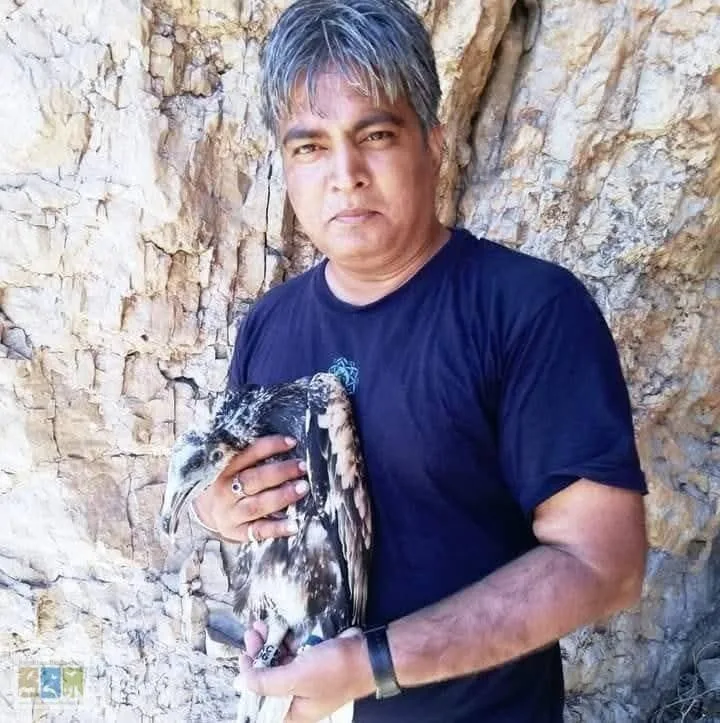
Awareness and training are not at the same level in every district, so local groups need support and preparation. Dialogue with farmers and livestock owners is also essential, particularly where vultures nest in trees on or near farmland.
People should become participants in conservation programmes, with their practical concerns taken into account. Sustained cooperation between specialists and local communities is what will keep monitoring programmes functioning over the long term.
Question 11: How might conservation strategies differ between Bikaner, Jaisalmer and Jodhpur? What role can gaushalas play?
Dr. Dau Lal Bohra: Food availability and its sources can differ between areas. Dairy activity may be more important in some places, while gaushalas—cattle shelters—may play a greater role elsewhere. Strategies therefore need to reflect local circumstances.
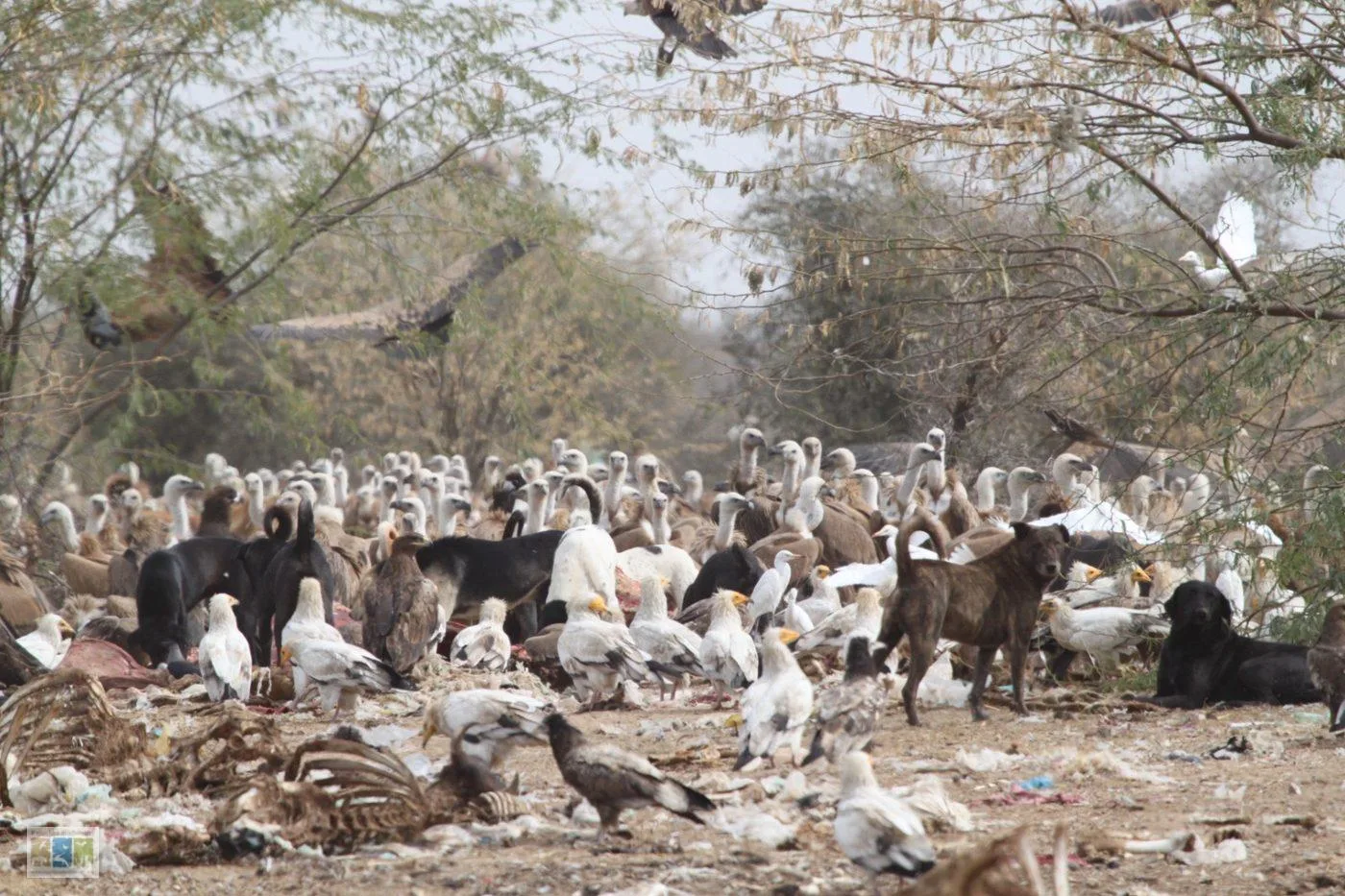
We can work with gaushalas to prevent the use of drugs harmful to vultures and encourage safe veterinary alternatives. Maintaining records of livestock treatment would also be useful.
The availability of a carcass does not, by itself, guarantee safe food. We need to know which medicines were used to treat the animal. Cooperation between veterinarians, gaushala managers and the relevant departments can help reduce food-related risks.
Question 12: What should be the immediate priorities for vulture conservation in Rajasthan?
Dr. Dau Lal Bohra: The first priority should be a regular, reliable monitoring system that helps us understand the status of resident and migratory populations.
The second is to ensure that vulture food is free from harmful drugs. The third is to identify and modify electricity poles and lines that pose a threat. Protecting nests, feeding sites and night roosts is also essential.
These efforts must bring together local communities, livestock owners, gaushalas, veterinarians, the electricity department and the forest department. Conservation success will depend on how consistently we implement these measures on the ground.
Dr. Dharmendra Khandal: Dr. Dau Lal Bohra, thank you for joining this important conversation for Rajasthan Biodiversity and for sharing your experience.
Discussion
No comments yet — start the conversation below.