Langelurillus udaipurensis: A New Jumping Spider from the Aravalli Hills of Rajasthan

Langelurillus udaipurensis: A New Jumping Spider from the Aravalli Hills of Rajasthan

Nature is home to countless small creatures that often go unnoticed, and many of them are still unknown to science. Spiders are among these overlooked animals. Although thousands of spider species have already been described worldwide, researchers continue to discover new ones every year, showing that our knowledge of biodiversity is still far from complete. One such discovery comes from the Aravalli Hills of Rajasthan, one of the oldest mountain ranges in the world. During a spider survey in Sajjangarh Wildlife Sanctuary, Udaipur, researchers discovered a previously unknown jumping spider that was later described as Langelurillus udaipurensis. This finding is particularly significant because it represents the first scientific record of the genus Langelurillus from Rajasthan. Beyond adding a new species to science, the discovery also highlights how much remains to be learned about the rich but still poorly documented micro-biodiversity of the Aravalli landscape.

Langelurillus udaipurensis belongs to the family Salticidae, commonly known as jumping spiders. With more than 6,500 described species (World spider catalog 2026), Salticidae is the largest family of spiders in the world. Members of this family are best known for their remarkable eyesight and active hunting behaviour. Unlike web-building spiders, jumping spiders do not rely on silk to trap prey. Instead, they use their excellent vision to locate insects, carefully approach them, and capture them with a precise jump. Their large forward-facing eyes provide sharp vision, allowing them to judge distance accurately before attacking. This combination of keen eyesight, agility, and hunting skill makes jumping spiders one of the most fascinating and widely studied groups of spiders.

Langelurillus is a small genus of ground-dwelling jumping spiders. Most species are found in Africa, while only a few have been recorded from India. According to the current classification, the genus includes 23 recognised species worldwide. The first confirmed record of Langelurillus from India was published in 2017, when two new species were described from Maharashtra. Since then, additional species have gradually been discovered, expanding the known distribution of the genus in the country. By 2026, five species of Langelurillus had been reported from India (Fig. 1), with Langelurillus udaipurensis being one of the most recent additions.

Fig. 1. Known distribution of the genus Langelurillus in India.

A New Species from Rajasthan

In June 2024, a field survey on spider diversity was carried out in Sajjangarh Wildlife Sanctuary, Udaipur, Rajasthan. During the survey, researchers collected a small ground-dwelling jumping spider that appeared to belong to the genus Langelurillus. To confirm its identity, the specimens were examined under a stereomicroscope and carefully compared with all known species of Langelurillus. The detailed morphological study revealed several unique features, particularly in the structure of the male palp, confirming that the spider represented a species new to science. The new species was named Langelurillus udaipurensis, with the specific name ‘udaipurensis’ referring to Udaipur, the district where it was discovered.

Fig. 2. Langelurillus udaipurensis (Male)

It is a tiny spider, measuring only 4–5 mm in length. It has a dark brown to black body covered with fine white and pale-yellow hairs, giving it a distinctive appearance (Figures 2 & 3). However, its most important identifying features are far too small to be seen with the naked eye. Like all male spiders, this species has a pair of specialised structures called palps, located near the mouthparts. Although they resemble small legs, these organs play an important role during reproduction. Their shape is unique to each species, making them one of the most reliable features for spider identification.

Fig. 3. Langelurillus udaipurensis (Male) showing the frontal (A), dorsal (B), and lateral (C) views.

In Langelurillus udaipurensis, three parts of the male palp are especially important: Retrolateral Tibial Apophysis (RTA), Embolus, and Tegulum (Figure 4). The RTA is a small spine-like projection on the palp, Embolus is a thin tube through which sperm is transferred during mating, and Tegulum is the rounded part of the palp that stores sperm. The shape and arrangement of these structures clearly distinguish Langelurillus udaipurensis from its closest relatives. So far, only the male of this species has been discovered. The female remains unknown, and future field surveys may provide new information about its natural history, evolution, morphology, and distribution.

Fig. 4. Palp of Langelurillus udaipurensis showing the ventral (A, C) and retrolateral (B, D) views.

Natural History

Langelurillus udaipurensis has been recorded only from Sajjangarh Wildlife Sanctuary in Udaipur. The spider was discovered in rocky areas of the sanctuary, where patches of dry grass, leaf litter, and sparse vegetation create a mosaic of small microhabitats (Figure 5). Although these places may appear barren at first glance, they provide ideal shelter and hunting grounds for many tiny ground-dwelling spiders. During field surveys, the spider was observed actively moving over rocks during daylight hours, indicating that it is a diurnal species. Like most jumping spiders, it relies on its exceptional eyesight rather than a web to locate and stalk prey. Its dark body and fine covering of hairs blend well with the surrounding rocks, dry leaves, and soil, making it difficult to detect unless observed carefully.

The rocky habitat of Sajjangarh Wildlife Sanctuary also supports several other jumping spiders, including species of Langona, Orientattus aurantius, Stenaelurillus arambagensis, and Stenaelurillus vyaghri. The presence of these species suggests that the sanctuary provides suitable environmental conditions for a diverse assemblage of ground-dwelling salticid spiders. Despite its recent discovery, much about Langelurillus udaipurensis remains unknown. Its feeding habits, breeding behaviour, life cycle, seasonal activity, and ecological interactions have not yet been studied in detail. Future field investigations will help reveal how this tiny predator survives in the rocky landscapes of the Aravalli Hills and whether it occurs beyond its currently known locality.

Fig. 5. Rocky habitat with dry grass, leaf litter, and sparse vegetation in Sajjangarh Wildlife Sanctuary, Udaipur, where Langelurillus udaipurensis was discovered.

The discovery of Langelurillus udaipurensis is important because it represents the first record of the genus Langelurillus from Rajasthan. It also highlights how much remains to be discovered in the Aravalli Hills, where even small and well-hidden animals continue to be found through careful field surveys. Each new species adds to our understanding of India’s biodiversity and emphasises the importance of conserving natural habitats while continuing to explore them.

References: Sanap, R. V., Tripathi, R., Caleb, J. T. D., Koli, H., Koli, V. K., Intodia, A., & Thackeray, T. (2026). Further notes on Indian Langelurillus Próchniewicz, 1994 (Araneae: Salticidae), with the description of two new species. Zootaxa, 5792(1), 183–199. https://doi.org/10.11646/zootaxa.5792.1.11

World Spider Catalog (2026) World Spider Catalog. Version 26. Natural History Museum Bern, Bern. Available from: http://wsc.nmbe.ch (accessed 12 December 2026) https://doi.org/10.24436/2

Langelurillus udaipurensis: A New Jumping Spider from the Aravalli Hills of Rajasthan

अरावली की सूक्ष्म जैव विविधता में जुड़ी एक नई प्रजाति: लैंगलुरिलस उदयपुरेंसिस (Langelurillus udaipurensis)

आज भी प्रकृति में ऐसे अनेक छोटे जीव मौजूद हैं, जिनकी पहचान विज्ञान के लिए अभी होना बाकी है। मकड़ियाँ भी इन्हीं कम अध्ययनित जीव समूहों में शामिल हैं। यद्यपि विश्वभर से मकड़ियों की हजारों प्रजातियाँ ज्ञात हैं, फिर भी प्रत्येक वर्ष नई प्रजातियों की खोज यह दर्शाती है कि जैव विविधता के बारे में हमारी समझ अभी पूर्ण नहीं है। इसी क्रम में राजस्थान के उदयपुर में स्थित सज्जनगढ़ वन्यजीव अभयारण्य से जंपिंग स्पाइडर की एक नई प्रजाति, लैंगलुरिलस उदयपुरेंसिस, का वैज्ञानिक वर्णन किया गया। यह खोज न केवल विज्ञान के लिए एक नई प्रजाति का परिचय कराती है, बल्कि राजस्थान से लैंगलुरिलस  वंश का पहला वैज्ञानिक अभिलेख भी प्रस्तुत करती है। यह खोज अरावली क्षेत्र की समृद्ध, लेकिन अभी भी कम ज्ञात, जैव विविधता को समझने की दिशा में एक महत्त्वपूर्ण उपलब्धि है।

लैंगलुरिलस उदयपुरेंसिस, जंपिंग स्पाइडर (साल्टिसिडे) कुल की एक प्रजाति है। इस कुल की मकड़ियाँ अपनी तीक्ष्ण दृष्टि और फुर्तीले शिकार करने के तरीके के लिए जानी जाती हैं। अधिकांश मकड़ियों के विपरीत ये शिकार पकड़ने के लिए जाला नहीं बनातीं, बल्कि शिकार का पीछा करके उस पर सटीक छलांग लगाती हैं। इन्हीं विशेषताओं के कारण साल्टिसिडे विश्व के सबसे अधिक अध्ययन किए जाने वाले मकड़ी समूहों में से एक है।

लैंगलुरिलस, जंपिंग स्पाइडर (कुल: साल्टिसिडे) का एक छोटा लेकिन विशिष्ट वंश है। इसकी अधिकांश प्रजातियाँ अफ्रीका में पाई जाती हैं, जबकि कुछ प्रजातियाँ भारत से भी ज्ञात हैं। वर्तमान में विश्वभर में लैंगलुरिलस की 23 मान्य प्रजातियाँ वर्णित की जा चुकी हैं। भारत में इस वंश का पहला वैज्ञानिक अभिलेख वर्ष 2017 में प्रकाशित हुआ, जब महाराष्ट्र से इसकी दो नई प्रजातियों का वर्णन किया गया। इसके बाद भारत में मकड़ियों की विविधता में लैंगलुरिलस वंश की नई प्रजातियाँ लगातार जुड़ती रहीं । वर्ष 2026 तक देश से इसकी पाँच प्रजातियाँ ज्ञात हो चुकी हैं (चित्र 1), इनमें से लैंगलुरिलस उदयपुरेंसिस  सबसे नवीन प्रजातियों में से एक है।

भारत में लैंगलुरिलस वंश की ज्ञात प्रजातियों का वितरण (चित्र: हेमलता कोली)

लैंगलुरिलस उदयपुरेंसिस: राजस्थान से एक नई प्रजाति

जून 2024 में राजस्थान के उदयपुर स्थित सज्जनगढ़ वन्यजीव अभयारण्य में मकड़ियों के सर्वे के दौरान एक छोटी जंपिंग स्पाइडर एकत्रित की गई। प्रारंभिक पहचान से यह स्पष्ट हुआ कि यह लैंगलुरिलस वंश से संबंधित है। इसकी पुष्टि के लिए नमूनों का सूक्ष्मदर्शी की सहायता से विस्तारपूर्वक परीक्षण किया गया तथा उनकी तुलना लैंगलुरिलस वंश की पहले से ज्ञात प्रजातियों से की गई। विस्तृत वर्गिकी अध्ययन के बाद इसे विज्ञान के लिए एक नई प्रजाति के रूप में मान्यता दी गई। इस नई प्रजाति का नाम लैंगलुरिलस उदयपुरेंसिस  रखा गया, जिसका प्रजातीय नाम ‘उदयपुरेंसिस ‘ उदयपुर शहर के सम्मान में दिया गया है। अब तक यह प्रजाति केवल उदयपुर के सज्जनगढ़ वन्यजीव अभयारण्य से ही ज्ञात है।

चित्र 2: लैंगलुरिलस उदयपुरेंसिस: नर मकड़ी (चित्र: हेमलता कोली)

लैंगलुरिलस उदयपुरेंसिस  आकार में लगभग 4–5 मिमी लंबी स्पाइडर है, इसका शरीर गहरे भूरे से काले रंग का होता है, जिस पर सफेद और हल्के पीले रंग के महीन रोएँ (setae) दिखाई देते हैं। यही रोएँ इसे एक विशिष्ट रूप प्रदान करते हैं (चित्र 2 एवं 3)। इस प्रजाति की पहचान का सबसे महत्त्वपूर्ण आधार नर मकड़ी के पैप्ल (palp) हैं। ये मुख के पास स्थित एक जोड़ी छोटे उपांग (appendages) होते हैं। नर मकड़ियों में यही उपांग प्रजनन के दौरान उपयोग होने वाले विशेष अंग के रूप में विकसित हो जाते हैं। प्रत्येक प्रजाति में इनकी संरचना अलग होती है, इसलिए वर्गिकी विशेषज्ञ नई मकड़ी प्रजातियों की पहचान और उनके वर्गीकरण के लिए मुख्य रूप से पैप्ल की बनावट का अध्ययन करते हैं।

चित्र 3. लैंगलुरिलस उदयपुरेंसिस (नर) के संरचनात्मक दृश्य: (A) अग्र (Frontal) दृश्य, (B) डॉर्सल (Dorsal) दृश्य तथा (C) पार्श्व (Lateral) दृश्य

लैंगलुरिलस उदयपुरेंसिस के पैप्ल अंगों में रेट्रोलेटरल टिबियल एपोफिसिस (RTA), एम्बोलस (Embolus) और टेगुलम (Tegulum) जैसी संरचनाएँ अन्य निकट संबंधी प्रजातियों से भिन्न हैं(चित्र 4)। इनमें RTA, पैप्ल अंगों के टिबिया भाग पर स्थित एक छोटा काँटे या उभार जैसा प्रक्षेप (projection) होता है। एम्बोलस एक पतली, सुईनुमा नली होती है, जिसके माध्यम से प्रजनन के दौरान शुक्राणु मादा तक पहुँचाए जाते हैं, जबकि टेगुलम पैप्ल अंगों का गोलाकार मुख्य भाग होता है, जिसमें शुक्राणु संग्रहित रहते हैं। इन संरचनाओं के आकार और बनावट में पाए जाने वाले सूक्ष्म अंतर ही इस प्रजाति को लैंगलुरिलस वंश की अन्य ज्ञात प्रजातियों से अलग पहचान देते हैं। अब तक इस प्रजाति का केवल नर ही ज्ञात है। मादा का वैज्ञानिक विवरण अभी उपलब्ध नहीं है, इसलिए भविष्य में इसके जीवन-इतिहास, वितरण तथा संरचनात्मक विशेषताओं को बेहतर ढंग से समझने के लिए और अध्ययन की आवश्यकता है।

चित्र 4. लैंगलुरिलस उदयपुरेंसिस (नर) के पैप्ल के फोटोग्राफ एवं रेखाचित्र। (A, C) वेंट्रल दृश्य तथा (B, D) रेट्रोलैटरल दृश्य

प्राकृतिक आवास एवं व्यवहार

अब तक उपलब्ध जानकारी के अनुसार लैंगलुरिलस उदयपुरेंसिस केवल राजस्थान के उदयपुर स्थित सज्जनगढ़ वन्यजीव अभयारण्य से ही ज्ञात है। यह प्रजाति अभयारण्य के चट्टानी क्षेत्रों में पाई गई, जहाँ सूखी घास, पत्ती कूड़ा  तथा विरल वनस्पति मौजूद थी (चित्र 5)। इस प्रकार का आवास छोटे भूमि-निवासी (ground-dwelling) जंपिंग स्पाइडर के लिए अनुकूल माना जाता है। क्षेत्रीय सर्वेक्षण के दौरान यह मकड़ी दिन के समय चट्टानों पर सक्रिय अवस्था में देखी गई। इसके आधार पर इसे एक दिवाचर (Diurnal) प्रजाति माना जाता है, अर्थात यह मुख्य रूप से दिन के समय सक्रिय रहती है। यह व्यवहार अधिकांश जंपिंग स्पाइडर की विशेषता है, क्योंकि वे शिकार खोजने और पहचानने के लिए अपनी उत्कृष्ट दृष्टि पर निर्भर रहती हैं। सज्जनगढ़ के इसी चट्टानी आवास में लैंगोना प्रजाति, ओरिएंटैटस ऑरेंटियस, स्टेनेलुरिलस अरम्बागेंसिस तथा स्टेनेलुरिलस व्याघ्री  जैसी अन्य जंपिंग स्पाइडर भी दर्ज की गईं। यह दर्शाता है कि अभयारण्य का चट्टानी परिदृश्य विभिन्न जंपिंग स्पाइडर के लिए अनुकूल आवास उपलब्ध कराता है। हालाँकि, वर्तमान में लैंगलुरिलस उदयपुरेंसिस के भोजन, प्रजनन, जीवन-चक्र तथा मौसमी गतिविधियों के बारे में वैज्ञानिक जानकारी उपलब्ध नहीं है। इन पहलुओं को समझने के लिए भविष्य में विस्तृत पारिस्थितिक अध्ययनों की आवश्यकता है।

चित्र 5. लैंगलुरिलस उदयपुरेंसिस का प्राकृतिक आवास। सज्जनगढ़ वन्यजीव अभयारण्य का चट्टानी परिदृश्य, जहाँ सूखी घास, पत्ती कूड़ा (leaf litter) तथा चट्टानों के बीच स्थित सूक्ष्म आवास (लाल बॉक्स) में यह प्रजाति पाई गई।

किसी नई प्रजाति का वैज्ञानिक विवरण केवल उसे एक नया नाम देने तक सीमित नहीं होता, बल्कि वह किसी क्षेत्र की जैव विविधता की समझ को और अधिक समृद्ध बनाता है। लैंगलुरिलस उदयपुरेंसिस  का वर्णन भी इसी दृष्टि से विशेष महत्व रखता है, क्योंकि यह राजस्थान से लैंगलुरिलस वंश का पहला वैज्ञानिक अभिलेख है। यह खोज यह भी बताती है कि अरावली क्षेत्र की सूक्ष्म जैव विविधता का अभी पूरी तरह दस्तावेजीकरण नहीं हो पाया है। संभव है कि यहाँ अब भी अनेक छोटे और कम अध्ययनित जीव मौजूद हों, जिनका वैज्ञानिक अभिलेखन होना शेष है। ऐसे में नियमित सर्वेक्षण और वर्गिकी अध्ययन इस क्षेत्र की वास्तविक जैव विविधता को सामने लाने में महत्त्वपूर्ण भूमिका निभा सकते हैं। नई प्रजातियों का वैज्ञानिक विवरण भविष्य में वर्गिकी (Taxonomy), पारिस्थितिकी (Ecology), विकास (Evolution) और संरक्षण (Conservation) से जुड़े अध्ययनों के लिए आधार तैयार करता है। किसी भी प्रजाति के संरक्षण की दिशा में पहला कदम उसका सही वैज्ञानिक अभिलेखन और पहचान है। इसलिए लैंगलुरिलस उदयपुरेंसिस  जैसी खोजें केवल एक नई प्रजाति तक सीमित नहीं रहतीं, बल्कि वे किसी क्षेत्र की जैव विविधता को समझने और उसके संरक्षण की दिशा में भी महत्त्वपूर्ण योगदान देती हैं।

संदर्भ: Sanap, R. V., Tripathi, R., Caleb, J. T. D., Koli, H., Koli, V. K., Intodia, A., & Thackeray, T. (2026). Further notes on Indian Langelurillus Próchniewicz, 1994 (Araneae: Salticidae), with the description of two new species. Zootaxa, 5792(1), 183–199. https://doi.org/10.11646/zootaxa.5792.1.11

Butterfly Park – Amberi, Udaipur

Butterfly Park – Amberi, Udaipur

Butterflies are diurnal, non-biting, non-stinging, six – legged (3-paird) insects heaving 2 pairs of wings for flying. Both, butterflies and moths are collectively included in order Lepidoptera. Body of members of this order is covered with colored scales. They have four stages in their lifecycles namely, egg, caterpillar, pupa and imago or adult. Their caterpillar stage is a leaf eating stage; pupa, a fasting stage and adult represents a sucking phase of the life cycle. Mouth parts of an adult butterfly are formed for sucking and are in the form of a coiled tube or proboscis.

Order Lepidoptera is further divided in to two sub groups namely, Rhopalocera and Heterocera. All the butterflies are included in Rhopalocera while all the moths are classified in Heterocera taxa.

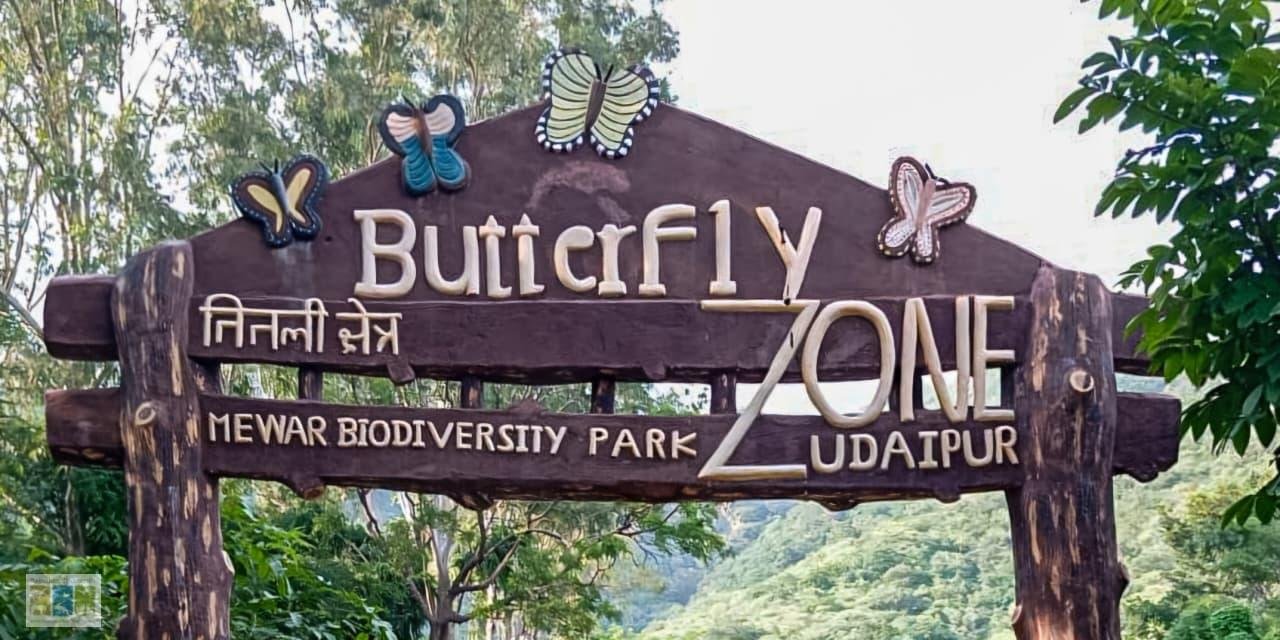
A biodiversity park has been developed in the Amberi Forest Block by the Forest Department Rajasthan known as “Mewar Biodiversity Park”. It was inaugurated on February 26, 2016. To create mass awareness about the butterflies, a butterfly park was developed inside the “Mewar Biodiversity Park, Amberi, Udaipur”. It was inaugurated on June 24, 2024.  So far 83 species of the butterflies have been recorded in this butterfly park. For the benefit of tourists coming to visit the butterfly park, a field guide has been developed by the park authorities to make butterfly identification easy. Many larval host and nectar plants are naturally growing in and around the butterfly park (Fig-1&2). Besides naturally growing pants a large number of larval hosts and nectar providing species have been planted to enrich the habitat quality of the park. Monsoon and summer are the best period to visit the park. Few or all four stages of the butterflies namely, egg, caterpillar, pupa and imago can be seen in this park after limited efforts only.

Figure 1: Gateway of Butterly Park, Amberi, Udaipur

Many walk ways have been developed in the butterfly park. Using these paths, visitors can reach at different corners of the park very easily. The micro habitat and micro climate of the park is very congenial to different species of butterflies and moths. Suitable mud puddling points are also developed to meet out the biological needs of the butterflies.

Figure 2: Vegetation of Butterfly Park Amberi

A list of the butterflies, so far seen in the Butterfly Park Amberi and their larval hosts are shown below in table 1:

TABLE 1: BUTTERFLIES AND THEIR LARVAL HOSTS CONFINED IN AND AROUND THE BUTTERFLY PARK AMBERI

S. No.

Name of butterfly species

Name of host species useful as larval host

Common Name

Latin Name

1.      

Common rose

Pachliopta aristolochiae

Aristolochia indica, A. brateolata

2.      

Crimson rose

Pachliopta hector

Aristolochia indica

3.      

Lime

Papilio demoleus

Aegle marmelose, Citrus limon

4.      

Common Mormon

Paplilio polytes

Aegle marmelose, Citrus limon

5.      

Tailed jay

Graphium Agamemnon

Polyalthia longifolia, Annona squamosa

6.      

Common jay

Graphium doson

Polyalthia longifolia, Annona squamosa

7.      

Spot swordtail

Graphium namius

Miliusa tomentosa

8.      

Common grass yellow

Eurema hecabe

Pithecellobium dulce, Cassia tora

9.      

Spotless grass yellow

Eurema laeta

Cassia pumila

10.   

Small grass yellow

Eurema brigittav

Cassia pumila

11.   

Common emigrant

Catopsilia pomona

Cassia siamea, C. fistula

12.   

Mottled emigrant

Catopsilia pyranthe

Cassia siamea, C. occidentalis

13.   

Psyche

Eptosia nina

Capparis sepiaria

14.   

Pioneer

Belenois aurota

Capparis sepiaria, C. decidua

15.   

Little orange-tip

Colotis etrida

Capparis decidua, Maerua oblongifolia

16.   

White orange-tip

Ixias marianne

Capparis sepiaria, C. decidua

17.   

Yellow orange-tip

Ixias pyrene

Capparis sepiaria

18.   

Common gull

Cepora Nerissa

Capparis sepiaria, C. decidua

19.   

Common jezebel

Delias eucharis

Dendrophthoe falcata

20.   

Western striped albatross

Appias libythea

Maerua oblongifolia, Crateva spp.

21.   

Large salmon arab

Colotis fausta

Maerua oblongifolia

22.   

Tiny grass blue

Zizula hylax

Ruellia patula, R. prostata

23.   

Grass Jewel

Fregyeria putii

Indigofera linnaei, Indigofera cordifolia

24.   

Pea blue

Lempides boeticus

Butea monosperma, Lablab purpureus

25.   

Zebra blue

Leptotes plinius

Plumbago zeylanica, Albizia lebbek

26.   

Gram blue

Euchrysops cnejus

Euchrysops cnejus

27.   

Forget-me-not

Ccotochrysops strabo

Butea monosperma, Tephrosia purpurea

28.   

Striped pierrot

Tarucus nara

Ziziphus mauritiana, Ziziphus nummularia

29.   

Black-spotted pierrot

Tarucus balkanicus

Ziziphus mauritiana

30.   

Common pierrot

Castalius rosimon

Ziziphus mauritiana

31.   

Red pierrot

Talicada nyseus

Bryophyllum pinnatum, Kalanchoe spp.

32.   

Lime blue

Chilades lajus

Citrus limon, Citrus spp.

33.   

Small cupid

Chilades parrhasius

Prosopis cineraria, Acacia leucophloea

34.   

Plains cupid

Chilades pandava

Cycas revoluta

35.   

Indian cupid

Everes lacturnus

Desmodium gangeticum

36.   

Lesser grass blue

Zizina otis

Alysicarpus vaginalis, Desmodium triflorum

37.   

Dark grass blue

Zizeeria karsanadra

Amaranthus viridis, Tribulus terrestris

38.   

Pale grass blue

Pseudozizeeria maha

Oxalis corniculate

39.   

African babul blue

Azanus jesous

Acacia leucophloea

40.   

Bright babul blue

Azanus ubaldus

Acacia nilotica, Acacia leucophloea

41.   

Tailless lineblue

Prosotas dubiosa

Pithecellobium dulce, Prosopis cineraria

42.   

Indian red flash

Rapala airbus

Acacia leucophloea, Butea monosperma

43.   

Common silverline

Spindasis vulcanus

Clerodendrum phlomidis, Ziziphus mauriatiana

44.   

Common shot silverline

Spindasis ictis

Clerodendrum phlomidis, Ziziphus mauriatiana

45.   

Plumbeous silverline

Spindasis schistacea

Acacia spp.

46.   

Common cerulean

Jamides celeno

Pongamia pinnata

47.   

Common guava blue

Virachola Isocrates

Psidium guajava

48.   

Plains blue royal

Tajuria jehana

Dendrophthoe falcata

49.   

Indian sunbeam

Curetis thetis

Pongamia pinnata, Abrus precatorius

50.   

Danaid eggfly

Hypolimans misippus

Portulaca oleracea, Elytraria acaulis

51.   

Great eggfly

Hypolimans bolina

Sida rhombifolia, Rungia spp.

52.   

Blue pansy

Junonia orithya

Lindenbergia muraria, Ruellia prostate

53.   

Lemon pansy

Junonia lemonias

Barleria prionitis, Ruellia tuberosa

54.   

Peacock pansy

Junonia almana

Phyla nodiflora, Hygrophila auriculata

55.   

Yellow pansy

Junonia hierta

Barleria prionitis, Ruellia tuberosa

56.   

Grey pansy

Junonia atlites

Hygrophila auriculata

57.   

Chocolate pansy

Junonia iphita

Barleria cristata

58.   

Painted lady

Vanessa cardui

Echinops echinatus

59.   

Black rajah

Charaxes solon

Tamarindus indicus, Pithecellobium dulce

60.   

Anomalous nawab

Charaxes agrarius

Acacia catechu

61.   

Common evening brown

Melanitis leda

Oryza sativa, Sorghum spp.

62.   

Common three-ring

Ypthima asterope

Cynodon dactylon

63.   

Common four-ring

Papilio demoleus

Cynodon dactylon

64.   

Baronet

Symphaedra nais

Diospyros melanoxylon

65.   

Common sailer

Neptis hylas

Desmodium spp.

66.   

Common castor

Ariadne merione

Ricinus communis, Tragia plukenetii

67.   

Tawany coster

Acraea terpsicore

Passiflora foetida, P. incarnata

68.   

Common leopard

Phalanta phalantha

Flacourtia indica

69.   

Plain tiger

Danaus chrysippus

Calotropis gigantea, Pergularia daemia

70.   

Striped tiger

Danaus genutia

Ceropegia bulbosa

71.   

Common Indian crow

Euploea core

Carissa carandas, Nerium oleander

72.   

Blue tiger

Tirumala limniace

Dregea volubilis

73.   

Indian palm bob

Suastus gremius

Cocos nucifera, Phoenix sylvestris

74.   

Rice swift

Borbo cinnara

Cymbopogen spp., Echinochloa colona

75.   

Small branded swift

Pelopidas mathias

Zea mays, Oryaza sativa

76.   

Swift sp.

Parnara sp.

Setaria spp., Oryaza sativa

77.   

Common banded awl

Hasora chromus

Pongamia pinnata

78.   

Brown awl

Badamia exclamationis

Terminalia bellirica

79.   

Indian skipper

Spialia galba

Waltheria indica, Sida spinosa

80.   

Zebra skipper

Ernsta zebra

Melhania futteyporensis

81.   

Pale palm- dart

Telicota colon

Saccharum officinarum

82.   

Spotted small flat

Sarangesa purendra

Lepidagathis trinervis

83.   

Tricolor pied flat

Coladenia indrani

Mallotus phillipensis

Many nectar providing species like Adhatoda vasica, Calotropis gigantea, C. procera, Salvia spp., Euphorbia nerifolia, Euphorbia caducifolia, Eharatia laevis, Clerodendron phlamoides, Asclepias curassavica, Buddleia davidii, Vernonia spp., Zinnia spp., Lavender, Marigold, Sunflower, Daisy, Dandelion, Tridex procumbens, Leucas aspera, Anisomeles indica, Leonotis nepetiifolia, Stachytarpheta jamaicensis etc. are also planted in beds and pots to attract the butterflies to feed.

Like butterfly park, other thematic parks like climber park, bush park (shrubbery), euphorbia park, ficus park, ziziphus park, grass park (grassetum), bamboo park (bambusetum), fern park (fernery), rose park (rosery), orchid park (orchidarium) etc. should be developed and maintained regularly for awareness and nature education. 

Dr. Satish Kumar Sharma

Assistant Conservator of Forests (Retd.)

14-15, Chakri Amba, Rampura Circle, Jhadol Road

Post – Nai, Udaipur – 313031, Rajasthan

email: sksharma56@gmail.com

कीडी नगरा

कीडी नगरा

क्या आपने कभी सुना है गाँवों में बने ‘कीडी नगरा’ के बारे में, जहाँ इंसान चींटियों के लिए बाड़ा बनाते हैं और खाना परोसते हैं? यह अनोखी परंपरा राजस्थान की संस्कृति और प्रकृति के रिश्ते की दिलचस्प कहानी है।

चींटियाँ, मधुमक्खियाँ, एवं ततैये हाईमिनोप्टेरा गण के सदस्य कीट हैं इनके झिल्ली जैसे पंखो के आर-पार देखा जा सकता है। तितलियों की तरह इनके पंखों पर स्केल नहीं होते। इनके अग्र जोडी पंख बडे एवं पश्च जोडी पंख आकार में छोटे होते हैं। इस वर्ग के कीटों के जबडे कुछ बडे व अच्छी तरह विकसित होते हैं। इस गण के कीट अकेले न रहकर एक बडे परिवार के रूप में सामाजिक जीवन यापन करते हैं।

मधुमक्खियों व ततैयों में हर समय शरीर पर पंख पाये जाते हैं जबकि लैंगिक रूप से प्रौढ, परिपक्व एवं प्रजनन क्षमता युक्त चींटियों में प्रजनन काल में ही पंख आते हैं। नर – मादा के मिलन के बाद दीमकों की तरह पंख झड कर गिर जाते हैं। चींटियों के एक ही परिवार में कई तरह के विशिष्ट सदस्य पाये जाते हैं जो काॅलोनी में अलग – अलग तरह का कार्य संपादित करते हैं। चींटियों की यह बहुरूपता अद्भुत होती है। कुछ प्रजातियों में तो बहुरूपों की संख्या 29 तक पहुँच जाती है। फिर भी 4 बहुरूप श्रमिक, सैनिक, उर्वर मादा एवं उर्वर नर सबसे आम व जाने पहचाने होते रूप होते हैं। चींटियों का अध्ययन एक विशेष विज्ञान में किया जाता है जिसे चींटी विज्ञान (Myrmecology) कहते हैं।

राजस्थान में वन्यजीवों के संरक्षण की परंपरा कीडी यानी चींटी जैसे छोटे से प्राणी से प्रारंभ होती है और बाघ जैसे बडे प्राणी तक पहुँच जाती है। ऐसी संरक्षण की विविधता राजस्थान की लोक संस्कृति में सदियों से चली आ रही है। हमारे राज्य में चींटी तक को मारना पाप समझा जाता है।

राजस्थान के गाँवों में चींटी को कीडी नाम से जाना जाता है। चींटी लोक कहावतों में भी स्थान रखती है। कोई सामान्य सा व्यक्ति अपने बूते से कुछ बडा करने की बात कहे या बडी-बडी डींगें हाँके या दुःसाहस करे तो उसे “चींटी के भी पर निकलने लगे हैं” जैसे मुहावरे से वर्णित-मंडित किया जाता है।

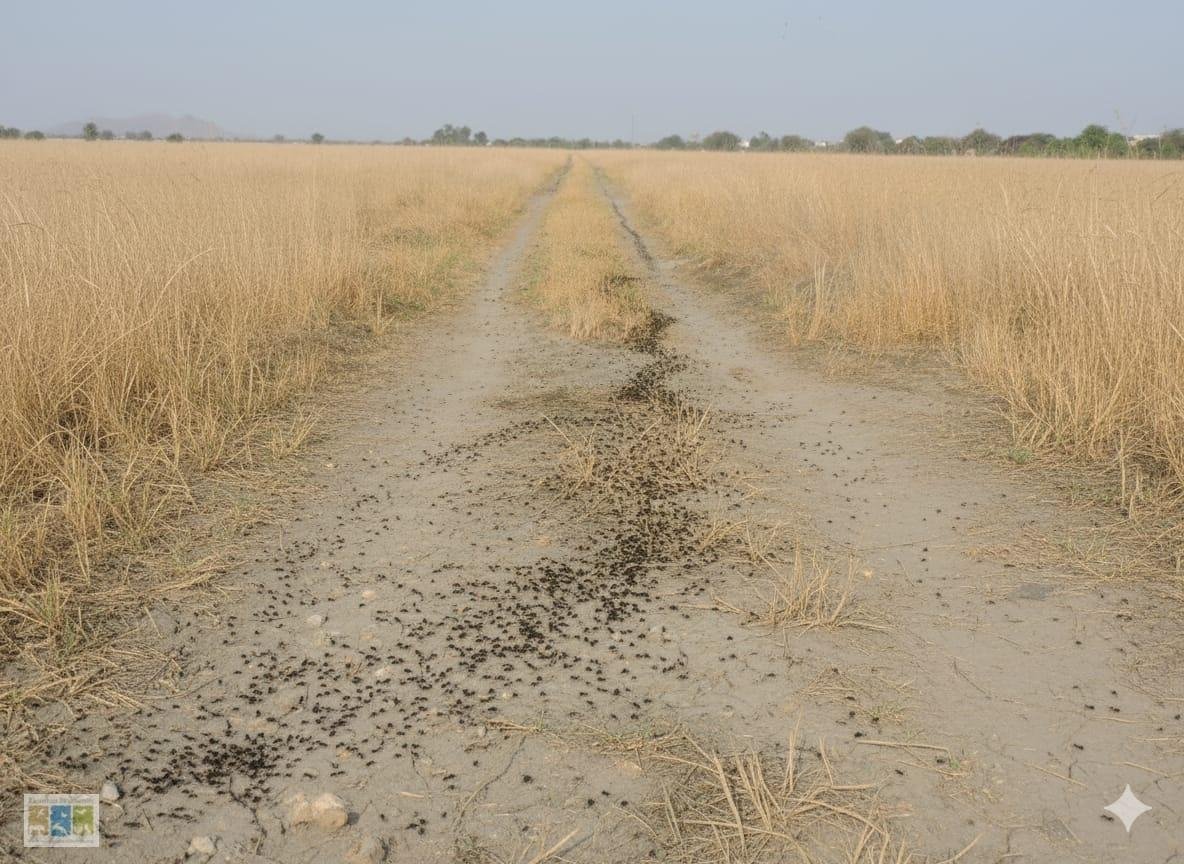
राजस्थान में ऐसा कोई क्षेत्र नहीं जहाँ चीटियाँ नहीं हों। हर गाँव में चींटियाँ मिल ही जाती हैं। कुछ जगह तो चीटियों के प्राचीन बिल मिलते हैं जिनमें लाखों चींटियाँ निवास करती हैं। ये बिल वहाँ कब से हैं कोई नहीं जानता। स्थानीय बुजुर्गों से पूछो तो बतायेंगे – साब मैं तो इनके इस बिल को मेरे जन्म से यहीं देख रहा हूँ। चींटियों के बिल, उनमें निवास करने वाली चीटियाँ और उनके आने-जाने से बने रास्ते सब मिला कर चीटियों का एक नगर जैसा होता है। चींटियों की छोटी, मध्ययम और बडी बस्तियाँ प्रकृति में जगह-जगह देखने को मिलती हैं। चींटियों की छोटी एवं मध्ययम बस्तियाँ तब तक ध्यान आकर्षित नहीं करती जब तक की वे बडी न हो जायें। बडी होने पर उनके चलने के पथ एक सँकरी सी, साफ-सुथरी सडक जैसी दूर से ही नजर आने लगती हैं। आते-जाते लोग चींटी पथ पर पैर नहीं रखते तथा लाँघ कर ही अपना आगे का रास्ता चलते जाते हैं। ये चींटी पथ सीधे, दूर तक अशाखित, एक समान चैडाई वाले या कई बार कुछ दूर जाकर घुमावदार व सँकरे भी हो जाते हैं यानी ये कई आकार के एवं अलग-अलग चैडाई के हो सकते हैं। आने एवं जाने, दोनों दिशाओं का ’’ट्रैफिक’’ उसी एक रास्ते पर चलता है। हमारी तरह चींटियों को दायें एवं बायें का ज्ञान नहीं होता है वे रास्ते की चौडाई के अन्दर रहते हुऐ कहीं से भी अपना रास्ता बना सकती हैं। चींटी पथ पर वे अपना भोजन मुँह में दबाये, बिल की तरफ आती हुई नजर आती हैं तथा भोजन के दानें व दूसरी वस्तुऐं बिल के भण्डार गृह में जमा कर वे बिना सुस्ताए फिर से अगले फेरे के लिये फिर निकल पडती हैं। यह सारा कार्य श्रमिक वर्ग की चींटियों को करना पडता है। चींटी पथ पर ’’चींटियों का ट्राफिक’’ ऐसा लेगता है मानों सडक पर कुछ ट्रक लोड लेकर भरे हुये आ रहें तो कुछ लोड भरने के लिए खाली जा रहे हैं। जो काम हमारे लिये हमारे हाथ करते हैं वही काम चीटियों के जबडे उनके लिये करते हैं। वे भार को जबडों से पकड कर ’’चीटीं पथ’’ पर चलती हैं। यदि वस्तु भारी है तो कई चींटियाँ मिल कर भार को खींचती हैं। कहा जाता है, चींटी अपने शरीर के वजन से भारी वजन खींचने की क्षमता रखती हैं। श्रमिक चींटियों का एक दल वहीं बिल में खुदाई-सफाई के कार्य में मशगूल नजर आता है।

एक ही परिवार की चींटियों का यह विशाल कुनबा हर किसी का ध्यान आकर्षित करता है। बिल, चींटी परिवार तथा दूर-दूर तक ’’चींटी पथों’’ का यह जाल राजस्थान में ’’कीडी नगरा’’ या ’’कीडीनारा’’ के नाम से जाना जाता है। कीडी नगरा चींटियों का एक ऐसा नगर है जैसा हम मनुष्यों का नगर होता है। हमारे नगरों में भी भवन, बाशिंदे, सडके और न जाने क्या – क्या चीजें विद्यमान होती हैं। यही नही, एक पूरी कानून व्यवस्था एवं नियम पालन सदाचार भी हमारे नगरों की व्यवस्था का एक हिस्सा होती हैं। ऐसे ही नियम कायदे एवं उनका पालन किसी भी कीडी नगरा का अहम हिस्सा होते हैं।

चींटियों को मोटे तौर पर 3 वर्गो में बाँट सकते हैंः

  1. भूमि पर रहने वाली चीटियाँ
  2. वृक्ष के तनो पर रहने वाले चींटियाँ
  3. वृक्षों की पत्तियों में घौंसला बना कर रहने वाली चींटियाँं।

वृक्षों के तनो पर रहने वाली चीटियों के अनेक प्रकार हैं। कुछ तने पर रहती हैं तथा आकार में बडी व मोटी होती हैं तथा काले रंग की होती हैं जिनको राजस्थान में जगह-जगह ’’मकोडा’’ नाम से जाना जाता है। कुछ चीटियाँ वृक्ष के तने के ऊपरी भागो में गोलाकार गुम्बद जैसी रचना बना कर उसमें निवास करती हैं जो क्रीमेटोगास्टर वंश (Crematogaster Genus) में वर्गीकृत की गयी है। लाल चीटिंयाँ (Oecophylla smaragdina) पत्तों को आपस में जोड व सिलाई कर उनमें घौंसला बना ऊपर वृक्षों पर निवास करती हैं। हाँलाकि वे वृक्षों से नीचे भी उतरती हैं लेकिन अपना कार्य पूर्ण कर वापिस ऊपर घौंसले में चली जाती हैं। वृक्ष के तने व पत्तों में रहने वाली चीटिंयाँ ’’कीडी नगरा या कीडी नारा’’ बस्ती नहीं बनाती।

भूमि पर अनेक प्रजातियों की चींटियों का निवास है लेकिन जो चींटियाँ बडा कुनबा बना कर अनाज के दानों को भी बिलों में ले जाकर भण्डारित करने व खाने की शौकीन होती हैं वे चींटियाँ कीडी नगरा के रूप में जानी – पहचानी जाती हैं। राजस्थान में जगह- जगह कीडी नगरा मिल जायेंगे। कई जगह तो बाकायदा बोर्ड लगाया जाता हैं। कई जगह बोर्ड नहीं भी होते। कई जगह बाकायदा काँटेदार तारों या दूसरी तरह की बाड लगाई जाती है ताकी पालतू व जंगली प्राणी कीडी नगरा को रौंदे नहीं। पश्चिमी राजस्थान में कीडी नगरा जगह-जगह ग्रामीण अँचल में देखने को मिल जाते हैं।

राजस्थान के लोग जिस तरह जगह-जगह पक्षियों को दाना-पानी व अन्य जीवों हेतु भोजन, पानी व शरण देने के स्थान बनाते हैं, उसी तरह चीटीयों को भी अनाज, अनाज का दलिया, चीनी, गुड के छोटे-छोटे टुकडे आदि खाद्य पदार्थ प्रातःकाल में बिल के आस-पास फैलाते हुये बिखेरे जाते हैं। कई जगह मोटा पिसा आटा भी चुग्गे के रूप में चींटियों के बिल के आस – पास शृद्धापूर्वक डाला जाता है। लोग स्वयं व अपने परिवार जनों के साथ चींटियों के बिलों के पास चुग्गा डालने आते हैं। यदि अधिक मात्रा में भोजन देना है तो एक दिन में डालकर उसे खराब नहीं किया जाता बल्कि कीडी नगरा के संचालक-प्रबंधक की भूमिका निभाने वाले व्यक्ति को कीडियों का भोजन या भोजन की कीमत जमा करा दी जाती है। प्रबंधक का फोन नम्बर बोर्ड पर अंकित रहता है। शृद्धालु बोर्ड पर अंकित नम्बर पर फोन कर प्रबंधक तक पहुँच जाता है तथा चींटियों को भोजन आपूर्ती का जिम्मा प्रबन्धक को लेकर स्वयं निवृत हो जाता है। 

चित्र 1: कीडी नगरा प्रबंधक द्वारा लगाया गया बोर्ड

चित्र 2: कई जगह कीडी नगरा काॅलोनी को पशु रौंद कर नुकसान पहुँचाते हैं अतः सुरक्षा हेतु फैंसिंग तक की जाती है।

लोगों का मत है यदि चींटियों को उनके आवास के आस-पास ही भोजन मिल जायेगा तो वे घरों, खेतों, खलिहान व गोदामों की तरफ रूख नहीं करेंगी जिससे उनमें दूर जाकर कहीं भोजन की तलाश में किसी एक परिवार या जगह को नुकसान पहुँचाने की संभावना नहीं रहेगी। साथ ही वे जगह-जगह मार्गों पर कुचल कर मरने से भी बचेंगी। चींटियाँ बीज व फल प्रकीर्णन, परागण, छोटे कीटों का नियंत्रण के साथ-साथ अपने बिलों द्वारा भूमी की गहराईयों में वायु संचार करती हैं। भूमि में संचारित वायु वृक्षों, झाडियों जैसी वनस्पतियों की जडों को, जो गहराई तक पहुँच जाती हैं, उन्हें स्वश्न हेतु ऑक्सीजन उपलब्ध कराती हैं। इसी का कमाल है कि पेड पौधे हरे – भरे रहकर हमें ऑक्सीजन, फल-फूल, बीज, चारा, लकडी और न जाने क्या – क्या उत्पाद उपलब्ध कराते हैं।

यों तो राजस्थान में अनगिनत कीडी नगरा हैं लेकिन पाली जिले में गढवाडा, सिणगारी, दुदली आदि गाँवों में जाकर कीडी नगरा व उनके प्रबंधन को देखा व समझा जा सकता है। कुछ जगह जैसे तालछापर अभयारण्य के कीडीनगरा तो और भी दर्शनीय हैं। तालछापर के कीडी नगरा के चीटीं मार्ग बिल को केन्द्र मानते हुये एक तरफ 200-300 मीटर लम्बे व कहीं- कहीं तो इससे भी अधिक दूर तक पहुँच जाते हैं जिन पर हजारों चीटियाँ एक साथ आना-जाना करती हैं। कुछ कीडी नगरा तो तालछापर में इतनें विशाल हैं कि एक कीडी नगर में हजारों नहीं लाखों चींटियाँ होती हैं। इस अभयारण्य में आने वाले पर्यटकों को वन कर्मी सावधानी से इस तरह घुमाते हैं कि कीडी नगरा की चींटियों को कुचलने से बचाया जा सके।

चित्र 3: सूखे मौसम में तालछापर अभयारण्य में एक अशाखित चींटी पथ पर गतिमान चींटियों का ट्राफिक 

चित्र 4: तालछापर अभयारण्य में एक शाखित चींटी पथ

वन्यजीवों को मानवीय या मानवों द्वारा भोजन दिया जावे या नहीं इस पर बहस होती रहती है। लोगों के पक्ष और विपक्ष में विचार सुनने – पढने को मिल जाते हैं। यदि कुछ देर इस बहस से अलग होकर देखें तो यह स्पष्ट महसूस होता है कि राजस्थानी लोग बडे- बडे वन्य प्राणी ही नहीं, चींटी जैसे छोटे प्राणी को भी संरक्षित -सुरक्षित करते रहे हैं और इतनी आधुनिकता आ जाने के बाद भी समाज के ये मूल्य आज भी अक्षुण हैं जो वन्यजीव संरक्षण की आस जगाये हुये हैं।

चित्र 5: तालछापर अभयारण्य में एक चींटी पथ कर क्लोज अप

सतीश कुमार शर्मा

राजस्थान वन सेवा (सेवा निवृत)

14-15, चकरिया आम्बा, रामपुरा चैराहा, झाडोल रोड़

पोस्ट – नाई, उदयपुर – 313031, राजस्थान, भारत

sksharma56@gmail.com

Pioneer Butterflies in Ranthambhore

Pioneer Butterflies in Ranthambhore

Authors: Praveen Singh, Dharm Singh Gurjar, & Dr Dharmendra Khandal

We often feel a sense of joy when a colorful butterfly flutters around our garden or home. Now imagine — what if hundreds or even thousands of such butterflies appeared all at once? What a spectacular sight that would be!

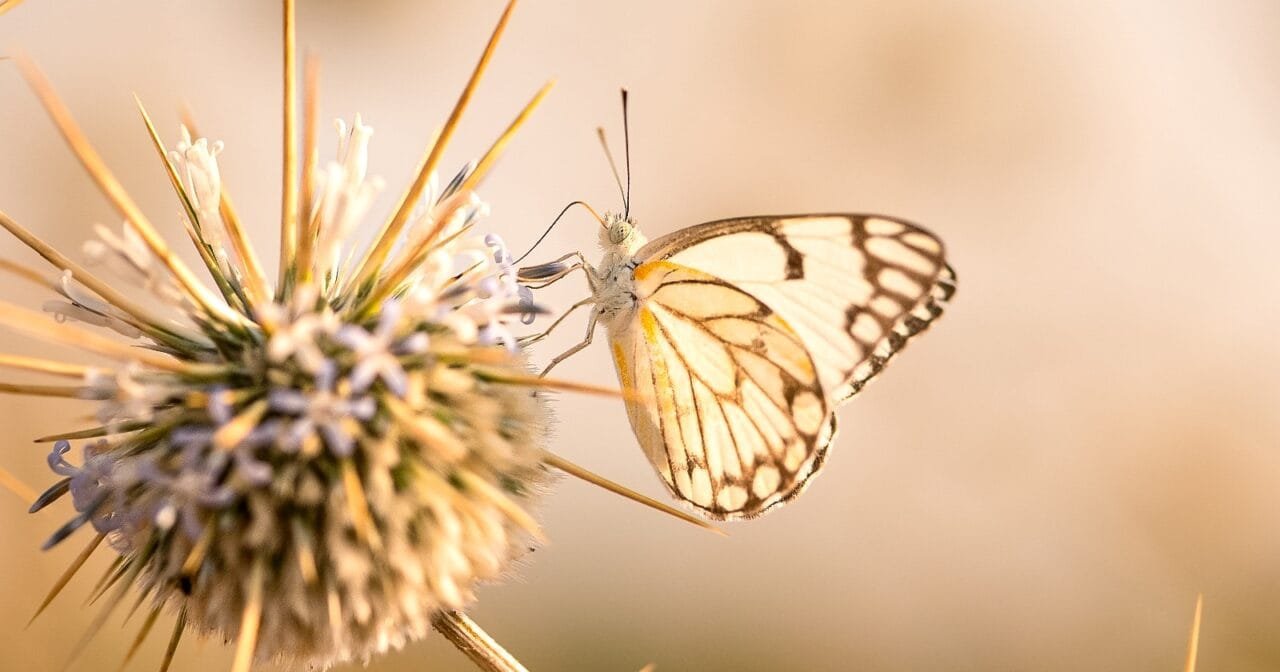
Such a phenomenon is observed every year in the fringe areas of Ranthambhore, particularly in the pasture lands of Sherpur and Khilchipur. Here, amidst open grounds dotted with Capparis decidua (ker) and Capparis sepiaria (heens) shrubs and tiny wildflowers, waves of white-yellow butterflies suddenly begin to appear. They have black-tipped wings and veins which are distinctly visible. The males are generally paler, with clean black lines, while the females show more prominent black patterns on their forewings and are slightly larger in size — naturally, as they must nurture eggs in their abdomens (Smetacek, 2012).

This spectacle lasts for about one to one and a half months.

pioneer, caper white, butterfly feeding nectar from Oligochaeta ramose

The Pioneer butterfly was most frequently observed on the flowers of Brahma Dandi (Oligochaeta ramose). (Photo: Praveen)

These are Pioneer Butterflies (Belenois aurota), also known as Caper Whites. Their numbers suddenly swell to such an extent that nearly every shrub seems occupied solely by this one species. In a 10×10 square meter plot, we counted between 500 and 1000 individuals — a remarkable and recurring annual sight.

Where Do They Come From?

A question arises — where do these butterflies suddenly emerge from in such large numbers? Are they long-distance migrants, as suggested by entomologists Moore (1890s) and Bingham (1905) during the British era? Or are they reappearing locally as part of a life cycle?

We believe that these butterflies are not migrants, but residents that emerge from dormancy with the first showers of April, transforming into their adult form as they emerge from pupae.

pioneer, caper white, butterfly feeding nectar from Convolvulus prostratus

At first glance, the white-flowered Santari (Convolvulus prostratus) appears to be the most abundant plant in this area. (Photo: Dr. Dharmendra Khandal)

From the Pages of History

Frederic Moore, working in British India, was the first to describe this butterfly in detail in his series Lepidoptera Indica. He observed that they appear suddenly after the monsoon and swarm around caper plants. Later, Charles Bingham described their massive swarms moving in a south-west to north-east direction — seemingly in parallel with the advancing monsoon.

What We Observed

Contrary to the descriptions given by Moore and Bingham, we did not observe these butterflies during the monsoon. Instead, we saw them in large numbers around the shrubs of Capparis decidua (Ker) and Capparis sepiaria (Heens), and among tiny ground flowers, soon after the rainfall in April. On a single Heens shrub, as many as 100–150 butterflies could be seen.

This rainfall, which occurs during April–May, is locally called “Dongde”. It is distinct from the monsoon that follows the summer and the “Mawath” that occurs during the winter. Dongde is sudden and unpredictable, often consisting of just one or two brief showers. Though short-lived, this life-giving rain transforms the dry landscape by providing abundant food and favorable conditions for many species — especially the Pioneer butterfly, for whom it appears to be a key ecological trigger.

The life cycle of the Pioneer butterfly is closely linked to plants of the family Capparaceae. Its main larval host plants are Capparis sepiaria (Heens) and Capparis decidua (Ker) (Arora & Mondal, 1981). In this region, the butterflies were mostly found on these shrubs, which are also the plants they prefer for laying eggs.

Physically, Pioneer butterflies are delicate and poorly adapted to extreme heat. Their activity begins at dawn and generally ceases by 9 a.m., after which they seek refuge under shrubs to escape the intense sunlight. While they are swift fliers, their flight is limited in range — fast, fluttering, and close to the ground. They mostly hover around host plants and nectar sources, suggesting they do not travel long distances. Moreover, since Dongde rain is localized and brief, it does not render the entire landscape suitable for long-range dispersal or migration.

Based on these observations, we inferred that the Pioneers are likely resident butterflies, completing their life cycle locally and reappearing seasonally with the first Dongde showers.

Different stages of the Pioneer butterfly’s life cycle. (Photo: Praveen)

Detailed Behavior and Ecology

Scientists suggest that Pioneers prefer wide, open flowers for nectar. They are commonly seen on Tridax procumbens, Lantana camara, Calotropis, and Ziziphus (Kunte, 2000; Kunte et al., 2021). However, in our systematic early-morning field studies in Ranthambhore, we observed them feeding on a different set of local plant species — starting with the very first rays of the sun.

At a glance, the white-flowered Convolvulus prostratus (Santari) appeared most abundant, sprawling across open fields. But when we conducted a 10×10 sq. m plot survey, we found that the highest number of flowers — around 500 — belonged to Oligochaeta ramose (Brahma Dandi), making it the butterfly’s preferred nectar plant. This was followed by Lepidagathis trinervis (Trinadi) with approximately 300 flowers, while Santari had just around 100.

In addition to these three major plants, Pioneers were also seen feeding on:

  • Echinops echinatus (globe thistle)
  • Argemone mexicana (prickly poppy)
  • Evolvulus alsinoides (Vishnukrant)
  • Solanum xanthocarpum (yellow-berried nightshade)
  • Launaea procumbens (wild lettuce)

Pioneer butterflies nectaring on a variety of flowers — Brahma Dandi, Santari, Khoon-Rokni, and Oont-Kanteli. (Photo: Dr. Dharmendra Khandal, Praveen)

These butterflies begin their day quite early, around 6:00 a.m. Initially, they feed on O. ramose flowers, then shift to the newly bloomed Santari (still tinged with purple), and later to other available flowers.

Between 8:30 and 9:30 a.m., most butterflies can be seen basking in the sun near shrubs of Capparis, Ziziphus, and Heens, especially on Santari flowers. This basking helps regulate their body temperature — a critical behavior for ectothermic insects.

Mating activity also begins in the cool morning hours, typically between 6:00 and 8:00 a.m., lasting up to two hours. By around 10:00 a.m., most activity ceases. In the afternoon, they seek shade under shrubs like Capparis and Ziziphus. While some butterflies stay active throughout the day, a noticeable rise in activity is observed again around 4:00 p.m. At night, they rest on the eastern side of shrubs — likely to avoid the last rays of the hot western sun and to warm up quickly at sunrise.

In the evenings, most butterflies are in flight, while some females are seen sitting still on host plants, wings open, seemingly waiting for a male. When disturbed by nearby movement, females raise their abdomen — a behavior we interpreted as a sexual signal or mate-choice display.

Later, we confirmed this “abdomen lifting” is a post-mating signal, indicating that the female is no longer receptive and thereby avoids further mating attempts.

belenois aurota abdomen lifting

After mating, the female Pioneer butterfly raises her abdomen — a clear signal that she is no longer receptive to further copulation. (Photo: Praveen)

Egg Laying and Mate Guarding

To ensure the next generation, females lay eggs singly or in small clusters on the underside of host plant leaves. These eggs are oval, upright, pale cream to yellowish in color, and show fine ridges (Sharma & Khan, 2022). They are typically placed in shaded areas on a single leaf to ensure protection and moisture.

Interestingly, in our observations, all eggs were laid on the upper surface of leaves — especially on those with a slight upward curl along both edges. This deviation from earlier descriptions suggests adaptive variability.

During this period, males often engage in mate guarding — staying close to the female after mating to prevent other males from attempting to copulate again. We frequently observed males actively chasing away other intruding males.


belenois aurota eggs

The Pioneer butterfly typically lays its eggs on the upper surface of leaves, often selecting those that are gently curved along both edges. (Photo: Praveen)

Ecological Role and Interactions

Ecologically, the Pioneer butterfly plays a dual role — while it completes its life cycle by heavily feeding on the leaves of host plants like Capparis, it also exerts pressure on these plants, making it locally significant as a herbivore and potential pest.

At the same time, it becomes a critical resource for other species. One notable ecological interaction we observed involved social spiders, which appear to specialize in preying on Pioneer butterflies. These spiders build dense webs near or on Capparis and Heens shrubs — an intelligent strategy given these are the very plants where Pioneers congregate. In a single web, we documented dozens to hundreds of trapped butterflies, highlighting the butterfly’s central place in the local food web.

This relationship illustrates the complexity of predator-prey dynamics in the ecosystem and shows how the abundance of one species can significantly influence others.

belenois aurota social spider interaction

We found that social spiders build their webs on Ker or Heens shrubs — where they are able to trap hundreds of Pioneer butterflies in a single web. (Photo: Praveen)

Based on our observations and the ecology of the region, it seems highly likely that the Pioneer butterfly is a resident species, reappearing each year in response to regional climate cues — particularly the early Dongde rains of April-May.

This butterfly is more than just a seasonal visitor. It is a sensitive indicator of climatic patterns, a pollinator, a herbivore, and a prey species — a small but significant player in the intricate web of life. In the context of climate change and shifting land-use patterns, documenting species like the Pioneer, understanding their population dynamics and ecological relationships, is more important than ever. It may well hold clues to the future of ecological resilience.

Cover Image: Dr Dharmendra Khandal

Pioneer Butterflies in Ranthambhore

दोंगड़े के बाद उड़ान: रणथम्भौर में पायोनीर तितलियाँ

लेखक: प्रवीण सिंह, धर्म सिंह गुर्जर, एवं डॉ धर्मेंद्र खांडल 

‘दोंगड़े’ — राजस्थान में अप्रैल-मई की शुरुआत में अचानक और अल्पकालिक रूप से होने वाली यह वर्षा — स्थानीय पारिस्थितिकी के लिए एक महत्वपूर्ण संकेत होती है, जो कई जीवों के जीवनचक्र को सक्रिय कर देती है।

हमें अक्सर अपने बगीचे या घर के आसपास जब कोई रंग-बिरंगी तितली उड़ती दिखती है, तो मन अपने आप आनंदित हो उठता है। अब ज़रा कल्पना कीजिए — जब ऐसी ही एक प्रजाति की तितली सैकड़ों-हजारों की संख्या में, एक साथ दिखाई दे — तो वह दृश्य कैसा अद्भुत होगा!

कुछ ऐसा ही दृश्य हर साल रणथंभौर के सीमावर्ती क्षेत्रों के आस पास देखने को मिलता है। जिसे हमने शेरपुर और खिलचीपुर के गोचर भूमि में देखा। यहाँ खुली ज़मीन पर, कैर और हींश की झाड़ियों और ज़मीन पर उगे छोटे छोटे जंगली फूलों के बीच सफेद-पीली तितलियों की लहरें एकाएक दिखाई देने लगती हैं। इनके पंखों के सिरों पर काले धब्बे और काली धारियां साफ दिखाई देती हैं। नर तितलियाँ सामान्यतः फीकी रंगत वाली (हल्की पीली) और साफ-सुथरी धारियों वाली होती हैं। मादा तितलियों के अगले पंखों पर काले पैटर्न अधिक स्पष्ट होते हैं और वे आकार में थोड़ी बड़ी भी होती हैं। हाँ, मादा बड़ी होती है – क्योंकि उन्हें अपने पेट में अंडे जो पालने होते है। (Smetacek, 2012) यह नज़ारा यहाँ लगभग एक-डेढ़ महीने तक देखने को मिलता है।

pioneer, caper white, butterfly feeding nectar from Oligochaeta ramose

पायनियर तितली सबसे अधिक ब्रह्म डंडी (Oligochaeta ramose) के पुष्प पर गई (फ़ोटो: प्रवीण)

ये हैं पायनियर तितलियाँ (Belenois aurota), जिन्हें ‘कैपर व्हाइट’ भी कहा जाता है। एकाएक इनकी संख्या इतनी अधिक हो जाती है कि लगभग हर झाड़ी पर सिर्फ एक ही प्रजाति की तितलियाँ दिखाई देती है। हमारे द्वारा एक 10×10 वर्ग मीटर के क्षेत्र में की गई इनकी गिनती में हमें 500 से 1000 तितलियाँ मौजूद मिली थी। यह असाधारण दृश्य यहाँ हर साल देखने को मिलता है।

कहाँ से आती हैं ये तितलियाँ?

प्रश्न उठता है — ये तितलियाँ इतनी बड़ी संख्या में अचानक आती कहाँ से हैं? क्या ये दूरदराज़ से प्रवास करके आती हैं, जैसा कि ब्रिटिश काल के कीटविज्ञानी मूर (1890s) और बिंघम (1905) ने उल्लेख किया? या यह उनके जीवन चक्र की स्थानीय पुनरावृत्ति है?

हमारा मानना है की शायद ये तितलियाँ प्रवासी नहीं, बल्कि यहीं की निवासी हैं, जो अप्रैल  माह की पहली बारिश के साथ ही अपने छिपे हुए जीवन से बाहर आती हैं, और अचानक प्रकट हो जाती हैं। यानी इस समय अपने प्यूपा से बाहर निकल कर यह जीवन के एक नए रूप को धारण करती है। 

pioneer, caper white, butterfly feeding nectar from Convolvulus prostratus

एक नजर में देखने पर ऐसा प्रतीत होता है कि सफेद फूलों वाला संतरी (Convolvulus prostratus) इस क्षेत्र में सबसे अधिक मात्रा में उपलब्ध है। फ़ोटो: डॉ धर्मेन्द्र खांडल 

इतिहास के पन्नों से

ब्रिटिश भारत में कार्यरत फ्रेडरिक मूर ने अपनी श्रृंखला “Lepidoptera Indica में पहली बार इस तितली का विस्तृत वर्णन किया। उन्होंने यह ध्यान दिया कि ये मानसून के बाद एकाएक प्रकट होती हैं और कैपेरिस के पौधों के पास मंडराती हैं। बाद में चार्ल्स बिंघम ने इनके विशाल झुंडों की दिशा — दक्षिण-पश्चिम से उत्तर-पूर्व — का वर्णन किया, जो की उनके अनुसार मानसून के समानांतर चलती प्रतीत होती थी।

जो हमने देखा

आजकल, मूर और बिंघम के वर्णन के विपरीत, हमने इन तितलियों को मानसून में नहीं देखकर इन्हें अप्रैल माह में होने वाली बारिश के बाद कैर और हींश की झाड़ियों और ज़मीन पर उगे छोटे छोटे फूलों के आस-पास बहुतायत में देखा है। हींश की झाड़ी पर तो 100-150 तितलियाँ दिखाई दे जाती है। अप्रैल- मई के समय होने वाली बारिश को स्थानीय भाषा में दोंगड़े कहा जाता है, हम सब जानते है की गर्मी के बाद में आने वाली बारिश को मानसून कहते है, वहीं ठंड में आने वाली बारिश को मावठ कहते है। दोंगड़े जो अचानक और अनिश्चित रूप से आ जाती है। यद्यपि इसका समय काल अत्यंत लघु होता है, एक या दो बारिश में यह सिमट जाता है। यह संक्षिप्त लेकिन गर्मी के मौसम में प्राणियों के लिए एक अचानक से भोजन की बहुतायत और सुखद मौसम लाने वाली जीवनदायी वर्षा अनेक प्राणियों के लिए यह वरदान और पायनियर तितली के जीवन की कुंजी है।

पायनियर तितलियों का जीवन चक्र खासतौर पर कैपरेसी कुल (Capparaceae) के पौधों से जुड़ा हुआ है। इनके मुख्य लारवल होस्ट प्लांट हींश (Capparis sepiaria) और कैर (Capparis decidua) हैं (Arora & Mondal, 1981) इस क्षेत्र में इनकी उपस्थिति विशेष रूप से इन दोनों झाड़ियों पर अधिकतम पाई गई और यही वे पौधे हैं जिन्हें ये तितलियाँ अंडे देने के लिए चुनती हैं।

पायनियर तितली शारीरिक रूप से नाजुक और गर्मी सहने में असक्षम होती है। दिन में प्रातः काल से सुबह लगभग 9 बजे तक ही यह सक्रिय रह पाती है इसके बाद होने वाली तेज धूप में यह झाड़ियों के नीचे छुप कर रहने लगती है। हालाँकि इनकी उड़ान तेज होती है परन्तु थोड़ी दूरी की होती है — साथ ही नीचे-नीचे, फुर्तीली लहरों में यह विचरण करती है। ये अधिकतर अपने होस्ट प्लांट या फूलों के इर्द-गिर्द मंडराती हैं, जिससे इनके लंबी दूरी की उड़ान की संभावना न के बराबर ही है। साथ ही रेगिस्तान में अप्रैल में स्थान विशेष पर होने वाले दोंगड़े वर्षा पूरे क्षेत्र को तितली के लिए अनुकूल नहीं बनाते है, ताकि यह प्रवर्जन के लिए दूर तक जा सके।

इन्ही बातों के आधार पर हमने यह अनुमान लगाया गया कि ये तितलियाँ यहाँ की स्थानीय हैं जो यहीं पैदा होती हैं और यहीं अपना जीवन चक्र पूर्ण करते हुए अगली पीढ़ी को जन्म देती हैं।

पायनियर तितली के जीवन चक्र के विभिन्न चरण (फ़ोटो: प्रवीण)

विस्तार में व्यवहार

वैज्ञानिकों का मानना है कि ये विशेष रूप से चौड़े और खुले आकार वाले फूलों से रस लेना पसंद करती है। सामान्यतः इसे त्रिडैक्स डेज़ी (Tridax procumbens), लैंटाना (Lantana camara), आक (Calotropis) और बेर (Ziziphus) के फूलों पर देखा गया है (Kunte, 2000; Kunte et al., 2021)

लेकिन रणथंभौर क्षेत्र में प्रातःकालीन समय के हमारे व्यवस्थित अध्ययन में यह तितली कुछ अन्य स्थानीय वनस्पतियों से रस लेती देखी गई – और वह भी सूरज की पहली किरणों के साथ!

एक नजर में देखने पर ऐसा प्रतीत होता है कि सफेद फूलों वाला संतरी (Convolvulus prostratus) इस क्षेत्र में सबसे अधिक मात्रा में उपलब्ध है — खुले मैदानों में बिखरा हुआ तथा  व्यापक रूप से फैला हुआ पुष्पों मानो इसका मुख्य नेक्टरिंग पौधा है। लेकिन जब हमने 10×10 वर्ग मीटर के प्लॉट में पुष्पों की संख्या गिनी, तो सबसे अधिक पुष्प ब्रह्म डंडी (Oligochaeta ramose) के पाए गए — लगभग 500 फूल, जो कि इस तितली की पहली पसंद साबित हुए। इसके बाद त्रिनाड़ी (Lepidagathis trinervis) के लगभग 300 पुष्प और संतरी के केवल 100 पुष्प दर्ज किए गए।

इन तीन प्रमुख पुष्पों के अतिरिक्त, पायनियर तितलियाँ कुछ और स्थानीय वनस्पतियों से भी रस लेती देखी गईं:

  • Echinops echinatus (गोल कांटेदार फूल)
  • Argemone mexicana (सत्यानाशी)
  • Evolvulus alsinoides (विष्णुकांत)
  • Solanum xanthocarpum (कांटे वाला बैंगन) और
  • Launaea procumbens (पाथरी)

पायोनीर तितली अलग-अलग फूलों से रसपान करते हुए (ब्रह्म डंडी, संतरी, खून-रोकनी, और ऊंट-कंटेली) (फ़ोटो: डॉ धर्मेन्द्र खांडल, प्रवीण)

ये तितलियाँ दिन की शुरुआत बहुत जल्दी कर देती हैं। भोर में लगभग 6:00 बजे से ही इनकी गतिविधियाँ प्रारंभ हो जाती हैं। शुरुआत में ये तितलियाँ ब्रह्म डंडी के फूलों पर जाती हैं, फिर 7:00 बजे के बाद संतरी के नए खिले फूलों पर जिनका रंग अभी भी थोड़ा बैंगनी था और पूर्ण सफेद नहीं हुआ था, और इसके बाद अन्य उपलब्ध पुष्पों की ओर आकर्षित होती हैं।

सुबह 8:30 से 9:30 के बीच, अधिकांश तितलियाँ कैर, हींस और बेर की झाड़ियों के पास खुले स्थानों में तथा संतरी के फूलों पर पंख फैलाकर धूप सेंकती देखी जाती हैं। यह धूप सेंकना तापमान संतुलन बनाए रखने के लिए एक सामान्य और महत्वपूर्ण व्यवहार है।

इनका प्रजनन व्यवहार भी सुबह के समय, कम तापमान के दौरान ही शुरू होता है, और सामान्यतः दो घंटे तक सक्रिय रहता है। यह अवधि प्रायः 6:00 से 8:00 बजे के बीच होती है। इसके बाद, लगभग 10:00 बजे तक इनकी गतिविधियाँ लगभग समाप्त हो जाती हैं।

दोपहर के समय, अधिकांश तितलियाँ कैर और बेर जैसी झाड़ियों की छाया में विश्राम करती हुई दिखाई देती हैं। हालांकि कुछ तितलियाँ दिनभर उड़ती भी रहती हैं, परंतु गतिविधि में स्पष्ट वृद्धि शाम 4:00 बजे के आसपास पुनः देखी जाती है। रात्रि में यह तितली झाड़ी के पूर्वी हिस्से में आराम करती है ताकि पश्चिम में छिपते सूरज की गर्मी इन्हें झेलनी नहीं पड़े और सुबह का उगता सूरज इन शीतरक्त कीटो को शीघ्र इतना गर्म करदे की यह सुबह सुबह अपना कार्य प्रारंभ कर सके।

शाम के समय ज्यादातर तितलियाँ प्रायः उड़ान में व्यस्त रहती हैं, जबकि कुछ मादाएँ होस्ट प्लांट पर स्थिर बैठी हुई, पंख फैलाकर नर के संपर्क का इंतजार करती देखी जाती हैं। इस दौरान, जब भी मादा अपने आसपास किसी अन्य तितली की हलचल महसूस करती है, तो वह अपना उदर (abdomen) ऊपर की ओर उठा लेती है—एक नजर में हमने इस व्यवहार को यौन संकेत या जोड़े के चयन से जुड़ा माना।

बाद में हमने पाया कि यह “उदर उठाने” का व्यवहार प्रजनन संकेत होता है। संभोग के बाद मादा तितली ऐसा करके यह संकेत देती है कि वह पुनः संकरण के लिए तैयार नहीं है, जिससे वह अनचाहे प्रयासों से बच पाती है।

belenois aurota abdomen lifting

संभोग के बाद मादा पायनियर तितली अपना उदर ऊपर उठा लेती है — यह एक स्पष्ट संकेत होता है कि वह अब दोबारा संकरण के लिए तैयार नहीं है। (फ़ोटो: प्रवीण)

वैज्ञानिकों का यह भी मानना है की मादा तितली अपने जीवन चक्र की अगली पीढ़ी को सुनिश्चित करने के लिए, होस्ट प्लांट की पत्तियों की निचली सतह पर एकल या छोटे समूहों में अंडे देती है। ये अंडे अंडाकार, सीध में खड़े, हल्के क्रीम या पीले रंग के होते हैं जिन पर महीन रेखाएँ या खांचे स्पष्ट दिखते हैं (Sharma & Khan, 2022) आमतौर पर ये अंडे एक ही पत्ती की छाया में दिए जाते हैं ताकि अधिकतम सुरक्षा मिल सके और आद्र्रता बनी रहे।

लेकिन हमने पाया की सभी अंडे पत्तों की ऊपरी सतह पर ही दिए गए हैं, यहाँ हमने यह भी पाया की ज्यादातर अंडे दोनों किनारो से हल्की सी घुमाव वाली पत्तियों पर ही दिए गए हैं।

इस प्रक्रिया के दौरान नर तितलियाँ ‘मेट गार्डिंग’ करते देखी गई हैं — यानी संभोग के बाद वे मादा के पास रहकर उसकी रक्षा करते हैं ताकि अन्य नर तितलियाँ दोबारा संकरण का प्रयास न कर सकें। अक्सर आने वाले नर तितली को दूर भागते रहते है।

पायनियर तितली पारिस्थितिक रूप से एक दोहरी भूमिका निभाती है — एक ओर यह मौसमी वनस्पतियों, केर और हींश की पत्तियों पर अंडे देकर अपने जीवन चक्र को पूरा करती है, तो दूसरी ओर इसकी बड़ी संख्या में उपस्थिति इन पौधों के लिए एक दबाव उत्पन्न करती है। यह कैपरेसी कुल की झाड़ियों की बड़ी मात्रा में पत्तियाँ खा जाती है।

belenois aurota eggs

पायनियर तितली सामान्यतः अंडे पत्तियों की ऊपरी सतह पर देती है, और विशेष रूप से ऐसी पत्तियाँ चुनती है जो दोनों किनारों से हल्के रूप से मुड़ी हुई होती हैं। (फ़ोटो: प्रवीण)

हालाँकि, इसी संदर्भ में यह तितली अन्य जीवों के लिए भी संसाधन बन जाती है। रणथम्भौर क्षेत्र में हमारे अवलोकनों में एक विशेष जैविक अंतर्क्रिया सामने आई — यहाँ की कुछ सामाजिक मकड़ियाँ (social spiders) विशेष रूप से पायनियर तितलियों को शिकार के रूप में चुनती हैं। ये मकड़ियाँ अपने जाले या घोंसले अक्सर केर या हींश की झाड़ियों के पास या ऊपर बनाती हैं — यह एक अत्यंत चतुर रणनीति प्रतीत होती है, क्योंकि ये झाड़ियाँ पायनियर तितलियों की प्रमुख होस्ट प्लांट हैं। इन जालों में हमने एक समय में दर्जनों से लेकर सैकड़ों तक पायनियर तितलियों को फंसा हुआ पाया — जो इस बात का प्रमाण है कि यह तितली न केवल परागण जैसी पारिस्थितिक सेवाओं में भागीदार है, बल्कि खाद्य शृंखला में एक महत्त्वपूर्ण कड़ी भी है। यह अंतर्क्रिया जैव विविधता के स्तर पर शिकारी-शिकार संबंधों की जटिलता को दर्शाती है, और तितलियों की अत्यधिक उपस्थिति अन्य जीवों के जीवन चक्र को भी प्रभावित कर सकती है।

belenois aurota social spider interaction

हमने पाया की सोशल स्पाइडर यहाँ केर या हींश की झाड़ियों पर अपने जाले बनाती हैं — जहाँ वे एक ही जाल में सैकड़ों पायोनीर तितलियों को फंसा लेती हैं ।  (फ़ोटो: प्रवीण)

 हमारे अवलोकनों और इस क्षेत्र की पारिस्थितिकी को देखते हुए, यह संभावना अधिक प्रबल प्रतीत होती है कि पायनियर तितली एक स्थानीय निवासी प्रजाति है, जो क्षेत्रीय जलवायु संकेतों के अनुसार प्रतिवर्ष पुनः प्रकट होती है — विशेष रूप से अप्रैल-मई की पहली वर्षा दोंगड़ेके बाद।

यह तितली न केवल हमारे मौसमीय चक्रों की संवेदनशील दूत है, बल्कि पारिस्थितिकी में विविध और कभी-कभी उलझी हुई भूमिकाओं में भी सक्रिय है — एक परागक, एक कीट, और कई शिकारी प्रजातियों के लिए पोषण का स्रोत। जलवायु परिवर्तन और भूमि उपयोग के बदलते पैटर्न के संदर्भ में, पायनियर जैसी तितलियों का दस्तावेज़ीकरण, उनकी जनसंख्या गतिशीलता और अंतर्संबंधों को समझना आज पहले से कहीं अधिक आवश्यक हो गया है। शायद इसी में भविष्य की पारिस्थितिक स्थिरता की कुंजी छुपी हो।

Cover Image: Dr Dharmendra Khandal