Flora of Bansyal – Khetri – Bagor Conservation Reserve, Jhunjhunu District, Rajsathan

Dr. Dharmendra Khandal

Conservation Biologist 

Tiger Watch, Sawai Madhopur, Rajasthan

Dr. Satish Kumar Sharma

Assistant Conservator of Forests (Retd.)

14-15, Chakri Amba, Rampura Circle, Udaipur, Rajasthan

Praveen Singh

Field Biologist,

Tiger Watch, Sawai Madhopur, Rajasthan

Bansyal- Khetri – Bagor Conservation Reserve is situated in Khetri tehsil of Jhunjhunu district in Rajasthan state. It was notified as a Conservation Reserve by the Government of Rajasthan through notification number F3 (13) Forest/2016, dated April 10, 2018 under the Section 36A of Wildlife (Protection) Act, 1972. Area of Khetri-48, a Protected Forest block of Jhunjhunu Forest Division is included in this conservation reserve. Area of the reserve is 3966.654 ha.

                    Once, hills of the area were clade by the dense Anogeissus pendula forest (5B/E1Forest) but due to heavy biotic pressure, Anogeissus pendula has reached in its degraded form at most of the places and now instead of 5B/E1Forest it has acquired the shape of 5B/E1/DS1 Anogeissus scrub. Two types of forests are confined to the area namely, 5B-Northern tropical dry deciduous forests and 6B- Northern tropical thorn forests. Many subtypes of these two major types of forests are present in the area (Hudda, 2019). A list of present main subtypes of the forests is given below:

Table 1: Forest types of the area

S.No.

Major type

General edaphic type

General degrade type

Seral type

1

5B-Northern tropical dry deciduous forests

C2-Northern dry mixed deciduous forest

5B/E1/DS1 Anogeissus scrub

DS1– dry deciduous scrub

 DS3Euphorbia scrub

DS4 – Dry grassland

2

6B- Northern tropical thorn forests.

C1– Desert thorn forests

E1Acacia senegal forest

E4Salvadora scrub

E1/ DS1/ 1S1– Desert dune forest and desert dune scrub

DS1Ziziphus scrub

DS2 – Tropical Euphorbia scrub

Environment condition:

                    This area is prone to aridity as rainfall is low, varying from 350mm to 450 mm per annum. Perennial streams and rivers are missing in the area. Winters are severe over here and temperature falls as low as 00 C. to -30C. Summers are hot and temperature rises up to 450 C. to 470 C.

Few planted rarities:

                    Chirani forest nursery is close to the area. Two Mahogani (Swietenia mahogani) trees are present in the nursery which are 20-25 years old. Four Mopane (Colophospermum mopane) trees are also present in this nursery. These planted rarities should be protected.

Wild animals:

                    Bansyal- Khetri- Bagor Conservation Reserve is an abode of many mammalian species like Northern plains Langur (Semnopithecus entellus), Nilgai (Boselaphus tragocamelus), Indian gazelle (Gazella bennettii), Common leopard (Panthera pardus), Jungle cat (Felis chaus), Small Indian civet (Viverricula indica), Grey mongoose (Herpestes edwardsii), Striped hyaena (Hyaena hyaena), Grey wolf (Canis lupus), Golden jackal (C. aureus), Indian fox (Vulpes bengalensis), Desert fox (V. v. pusilla), Indian hare (Lepus nigricollis), House shrew (Suncus murinus), Indian crested porcupine (Hystrix indica), Five- striped squirreal (Funanbulus pennantii), Indian desert jird (Meriones hurrianae), Indian long – tailed tree mouse (Vandeleuria oleracea) etc. Once tiger (Panthera tigris) and its main prey base Sambar (Rusa unicolor) were common in the hilly forested area but now tiger has gone and common leopard has become an apex predator. Till 2010, a small population of Sambar was present in the forest area but now their numbers are decreasing. Forest Department should start Sambar restoration plan in the area. This is the Sambar’s western most gene pool of Rajasthan.

The gaps in knowledge of local flora:

                    Information about floral diversity of forests of Jhunjhunu district can be had from the working plan of the district (Rathore, 2012) but   Bansyal- Khetri- Bagor Conservation Reserve was not in existence at the time of starting of this working plan. Hence, no specific information is available in this working plan about the conservation reserve. Hudda (2019) has prepared the first management plan of this conservation reserve but information about floral diversity is very scanty in this plan. Therefore, to bridge this gap, present study was done.
Methodology

                    Area was visited many times from 2018 to 2025. Three season field surveys were done during winters, summers and rains to list the flora. Help of existing floras (Bhandri, 1990; Shetty and Singh, 1987,1991,1993) were taken to identify the plant species in the field. To identify the grass flora, special surveys were done late in the monsoon season when grasses are found in flowering stage. Rainy season was found very useful to record the tuberous and ephemeral species. During rainy season, aerial parts of tuberous species become visible and field identification also become easy. Help of local forest field staff was taken to prob the area.

Flora of Bansyal- Khetri- Bagor Conservation Reserve:

                    The findings of the surveys are presented below:

Table 2: Dicot flora of Bansyal- Khetri- Bagor Conservation Reserve

S.No.

Family

Latin name of plant

Habit*

1.      

Monispermaceae

Cissampelos pareira

TS

Tinospora cordifolia

CS

Cocculus hirsutus

Cocculus pendulus

SS

SS

2.      

Papaveraceae

Argemone mexicana

H

3.      

Fumariaceae

Fumaria indica

H

4.      

Cleomaceae

Cleom ginandra

H

5.      

Brassicaceae

Sisymbrium irio

H

6.      

Capparaceae

Capparis decidua

S/ST

C. sepiaria

SS

Crateva odansonii

Mareua oblongifolia

T

S

7.      

Caryophyllaceae

Polycarpaea corymbose

H

8.      

Portulacaceae

Portulaca oleracea

H

9.      

Tamaricaceae

Tamarix aphylla

T

10.   

Flacourtiaceae

Flacourtia indica

S/ST

11.   

Malvaceae

Abutilon indicum

A. ramosum

US

S

Hibiscus caesius

H

H. micranthus

Malvastrum coromandelianum

Sida acuta

S. cordata

S. cordifolia

S

H

US

H

US

12.   

Sterculiaceae

Melhania futteyporensis

Sterculia urens

Waltheria indica

US

T

H

13.   

Tiliaceae

Corchorus aestuans

H

C. depressus

H

C tridens

C. trilocularis

H

H

Grewia damine

S

G. flavescens

S

G. tenax

Triumfetta pentandra

S

H

14.   

Zygophyllaceae

Tribulus terrestris

H

15.   

Oxalidaceae

Oxalis corniculate

H

16.   

Rutaceae

Limonia elephantum

T

17.   

Simaroubaceae

Ailanthus excelsa

T

18.   

Balanitaceae

Balanites aegyptiaca

T

19.   

Burseraceae

Boswellia serrata

T

Commiphora wightii

S

20.   

Meliaceae

Azadirachta indica

T

Melia azedarach

T

21.   

Celastraceae

Maytenus seneglensis

T

22.   

Rhamnaceae

Ziziphus glabrata

T

Z.  mauritiana

T

Z. nummularia

S

Z. xylophyrus

UT

23.   

Vitaceae

Cayratia carnosa

C

24.   

Sapindaceae

Cardiospermum helicacabum

C

25.   

Anacardiaceae

Lannea coromadelica

Rhus mysurensis

T

S

26.   

Moringaceae

Moringa concanensis

M. oleifera

T

T

27.   

Fabaceae

Abrus precatorius

Alhagi marurorum

TH

S

Alysicarpus vaginalis

H

Butea monosperma

T

Clitoria ternatea

TH

Crotalaria burhia

C. medicagenia

H

H

Desmodinm triflorum

H

Indigofera linifolia

H

I. linnaei

H

Melilotus alba


H


M. indica

H

Mucuna prurita

TH

Rhynchosia minima

TH

Tephrosia villosa

US

T. purpurea

Trigonella hamosa

H

H

28.   

Caesalpiniaceae

Bauhinia racemosa

Cassia auriculata

C. italica

T

S

H

C. fistula

T

C. pumila

H

C. tora/ Senna tora

H

Tamarindus indica

T

29.   

Mimosaceae

Acacia catechu

A. jacquemontii

A. leucophloea

A. nilotica indica

A. nilotica cupressiformis

A. senegal

T

S

T

T

T

T


A. tortilis

T


Dichrostachys cinerea

S

Mimosa hamata

S

Prosopis juliflora

T

P. cineraria

T

30.   

Combretaceae

Anogeissus pendula / Terminalia pendula

A. sericea var. nummularia

T


T

31.   

Cucurbitaceae

Citrullus colocyntih

Cucumis melo var. agrestis

C. prophetarum

C. maderaspatanus (Mukia

C

C

C

C


maderaspatana)

Coccinia grandis

C

Diplocyclos palmatus

H

Luffa acutangula

C

Momordica balsamina

C

M. charantia

C

M. dioica

C

32.   

Cactaceae

Opuntia elatior

S

33.   

Molluginaceae

Mollugo cerviana

H

34.   

Aizoaceae

Trianthema portulacastrum

Zaleya govinda

H

H

35.   

Rubiaceae

Borreria articularis

H

B. pusila

H

Mitragyna parvifolia

T

36.   

Asteraceae

Acanthospermum hispidum

Adhatoda zeylanica

Ageratum conyzoides

H

S

H

A haustonianum

H

Bidens biternate

Blumea lacera

H

H

Caesulia axillaris

H

Echinops eclinatus

Launaea resedifolia

Oligochaeta ramose

H

H

H

Parthenium hysterophorus

Pulicaria crispa

Sonchus asper

H

H

H

Tridax procumbens

H

Vernonia cineria

Verbesina encelioides

H

H

Xanthium strumarium

H

37.   

Salvadoraceae

Salvadora oleoides

S. persica

T

T

38.   

Apocynaceae

Catharanthus pasillus

H

Wrightia tinctoria

T

39.   

Asclepiadacace

Calotropis procera

Ceropegia bulbosa

S

C

Leptadenia pyropechnica

S

Pergularia daemia

TU

Pentropis spiralis

C

Wattakaka  volubilis

TS

40.   

Periplocaceae

Cryptostegia grandiflora

SS

Hemidesmus indicus

SU

41.   

Gentianaceae

enicostema verticillare

H

42.   

Boraginaceae

Arnebia hispidissima

Heliotropium bacciferum

H

H

43.   

Ehretiaceae

Cordia dichotoma

C. gharaf

T

T

Ehretia laevis

T

44.   

Convolvulaceae

Evolvulus alsinoides

H

Ipomoea carnea ssp. fistulosa

S

I. coptaica

I. dichora

TH

TH

I. nil

TH

I. obscura

TH

I. pes-tigridis

TH

Merramia emarginata

H

Rivea hypoaraterifornis

CH

45.   

Cascutaceae

Cuscuta chinensis

H

C. reflexa

H

46.   

Solanaceae

Datura innoxia


Lycium barbarum

S

S

Physalis minima

P. peruviana

Solanum xanthocarpum

S. nigrum

Withania somnifera

H

H

H

H

US

47.   

Scrophulariaceae

Kickxia ramosissima

Lindenbergia muraria

H

H

Verbascum chinense


H

48.   

Bignoniaceae

Tecomella undulata

T

49.   

Pedaliaceae

Pedalium murex

Sesamum indicum

S. mulayanum

H

H

H

50.   

Martyniaceae

Martynia annua

H

51.   

Acanthaceae

Aahatoda zeylanica

S

Barleria prionits

US

Dipterocanthus patulus

H

Elytraria aculis

H

Justicia procumbens

H

Peristrophe paniculata

H

52.   

Verbenaceae

Clerodendrum phlomidis

Lantana camara

S

S

53.   

Lamiaceae

Leucos aspera

L. cephalotes

Ocimum canum

Salvia aegyptiaca

H

H

H

H

54.   

Nyctaginaceae

Boerhavia diffusa

Commicarpus verticillatus

H

H

55.   

Amaranthaceae

Achyranthes aspera

H

Celosia argentia

Digera muricata

H

H

Pupalia lappacea

H

56.   

Chenopodiaceae

Chenopodium album

Chenopodium murale

H

H

57.   

Polygonaceae

Polygonum glabrum

H

P. plebeium

H

Rumex dentatus

H

58.   

Loranthaceae

Dendrophthoe falcata var. Coccinia

S

59.   

Euphorbiaceae

Euphorbia caducifolia

S

E. hirta

H

E. microphylla

H

Jatropha gossypifolia

S

Phyllanthus fraternus

H

Ricinus communis

ST

Securinega leucopyrus

S

60.   

Ulmaceae

Holoptelea integrifolia

T

61.   

Moraceae

Ficus arnottiana

F. benghalensis

F. racemosa

F. religiosa

T

T

T

T

Table 3: Monocot flora of Bansyal- Khetri- Bagor conservation reserve

S.No.

Family

Latin name of plant

Habit*

1

Hydrocharitaceae

Hydrilla verticillate

H

2

Dioscoreaceae

Dioscorea bulbifera

TH

3

Liliaceae

Asphodelus tenuifolius

H

Asparagus racemosus

SU

Dipcadi erythraeum

H

Urginea indica

H

4

Commelianceae

Commelina benghalensis

H

C. erecta

H

C. forskalaei

H

Cyanotis cristata

H

5

Arecaceae

Phoenix sylvestris

T

6

Lemnaceae

Lemna perpusilla

H

Spirodela poiyrhiza

H

Wolffia microscopica

H

7

Potamogetonaceae

Potamogeton crispus

H

P. pectinatus

H

8

Typhaceae

Typha angustata

H

9

Crperaceae

Cyperus arenarius

H

C. atkinsonii

H

C. difformis

H

C. iria

H

C. rotundus

H

C. triceps

H

Eleocharis atropurpurea

H

Fimbristylis barbata

H

Fimbristylis tenera


H


Scirpus royley

H

10

Poaceae

Apluda mutica

H

Aristida adscensionis

H

A. funiculate

H

Arthraxon lanceolatus

H

Bothriochloa pertusa

H

Brachiaria ramosa

H

B. raptans

H


Cenchrus biflorus

C. ciliaris

C. setigerus

Choris barbata


H

H

H

H

C. virgata

H

Chrysopogon fulvas

Cymbopogon martini

C. jwarancusa

H

H

H

Cynodon dactylon

H

Dactylocteninum aegyptium

H

D. sindicum

Desmostachya bipinnata

H

H

Dicanthium annulatum

Digitaria pennata

H

H

Echinachloa colona

H


Eleusine coracana

Eragrostis ciliaris

E. minor

E. tenella

H

H

H

H

Heteropogon contortus

H

Melanocenchris jacquemonti

H

Oplismenus burmannii

H

Oropetium thomaeum

H

Panicum antidotale

P. turgidum

Perotis indica


H

H

H

Phragmites karka

H

Saccharum bengalense

S. spontaneum

H

H

Sehima nervosum

H

Setaria verticillata

H

Sporobolus diander

H

S. ioclados

Sorghum helepense

Stipagrotis plumosa

H

H

H

Tetrapogon tenelus

T. villosus

Tragus roxburghii

Urochloa panicoides

H

H

H

H


Vetiveria zizanioides

H

* Habit

Tree:  T= Tree (Tall, medium sized), ST= Small tree/ Under tree

Shrub : S= Shrub, TS = Twining shrub, CS= Climbing shrub, SS= Scandent shrub/ Straggling shrub, TU= Twining undershrub,  SU=Scandent undershrub, US= Undershrub,

Herb : H= Herb, TH= Twining herb, C= Climber

Summary :

Summary of the various taxa recorded during the present study is depicted below :


S.No.

Class

No. of Families

No. of Genera

No. of Species

1

Dicotyledons

 67

185

 242

2

Monocotyledons

12 

55 

 96


Total

 79

240 

338

Acknowledgements:

          We thank Sh. R.K. Hudda, Dy. C.F. Jhunjhunu for assistance and support during the course of study.

References:

  1. Bhandary, M.M. (1990): Flora of the Indian Desert (Reprint). MPS Repros, Jodhpur.
  2. Hudda, R.K. (2019): Management plan for Bansyal- Khetri- Bagor Conservation Reserve (2019-20 to 2028-29).
  3. Rathore, M.S. (2012): Working plan of Jhunjhunu Division (2012-13 to 2021-22).
  4. Shetty, B.V. & V. Singh (1987, 1991, 1993): Flora of Rajasthan, Vol. I, II, III. Botanical Survey of India.
Butterfly Park – Amberi, Udaipur

Butterfly Park – Amberi, Udaipur

Butterflies are diurnal, non-biting, non-stinging, six – legged (3-paird) insects heaving 2 pairs of wings for flying. Both, butterflies and moths are collectively included in order Lepidoptera. Body of members of this order is covered with colored scales. They have four stages in their lifecycles namely, egg, caterpillar, pupa and imago or adult. Their caterpillar stage is a leaf eating stage; pupa, a fasting stage and adult represents a sucking phase of the life cycle. Mouth parts of an adult butterfly are formed for sucking and are in the form of a coiled tube or proboscis.

Order Lepidoptera is further divided in to two sub groups namely, Rhopalocera and Heterocera. All the butterflies are included in Rhopalocera while all the moths are classified in Heterocera taxa.

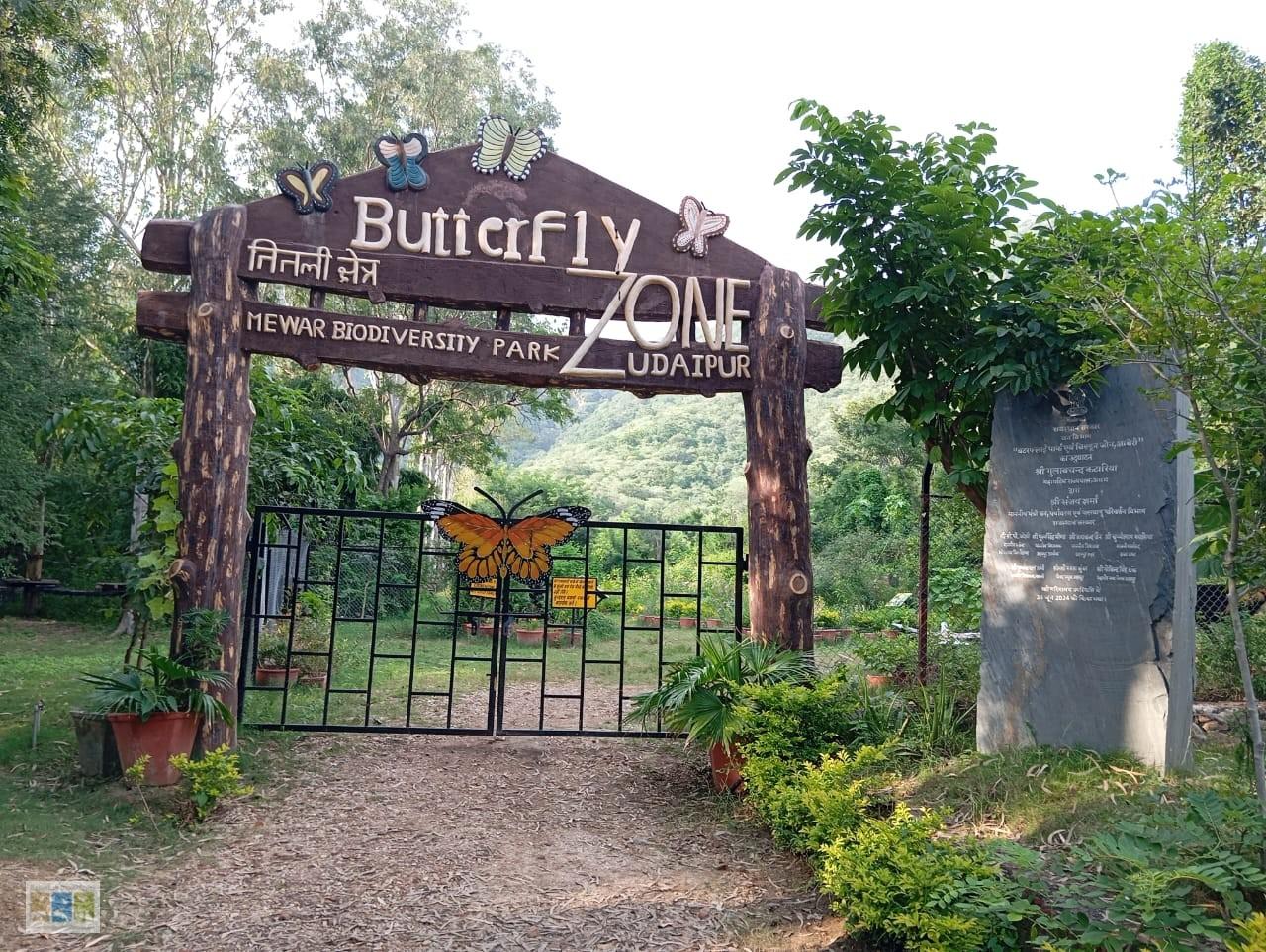
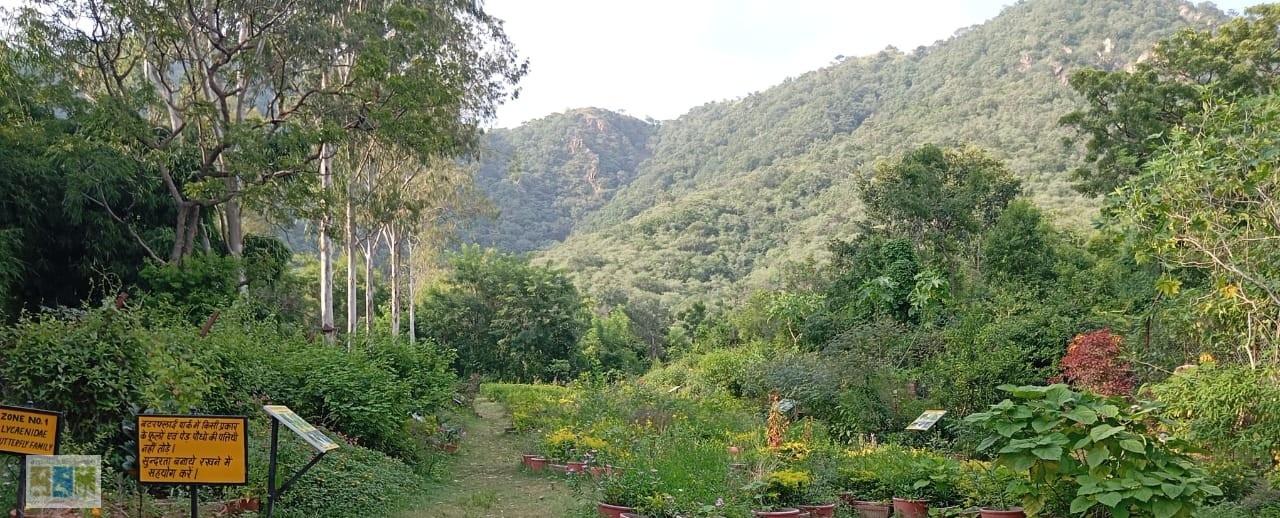
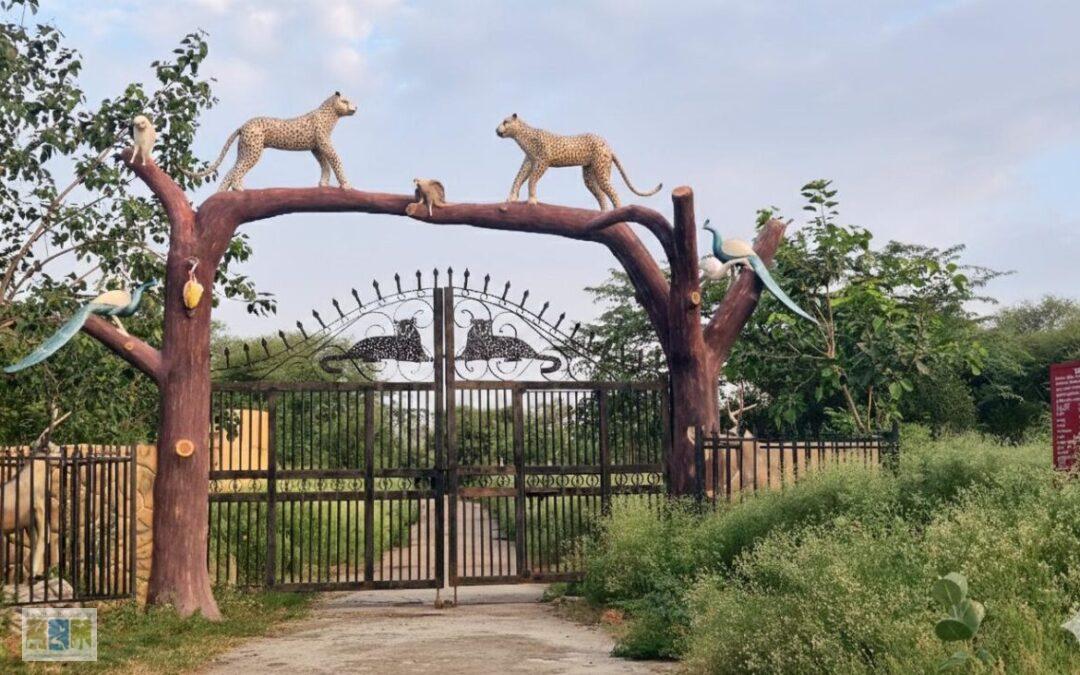
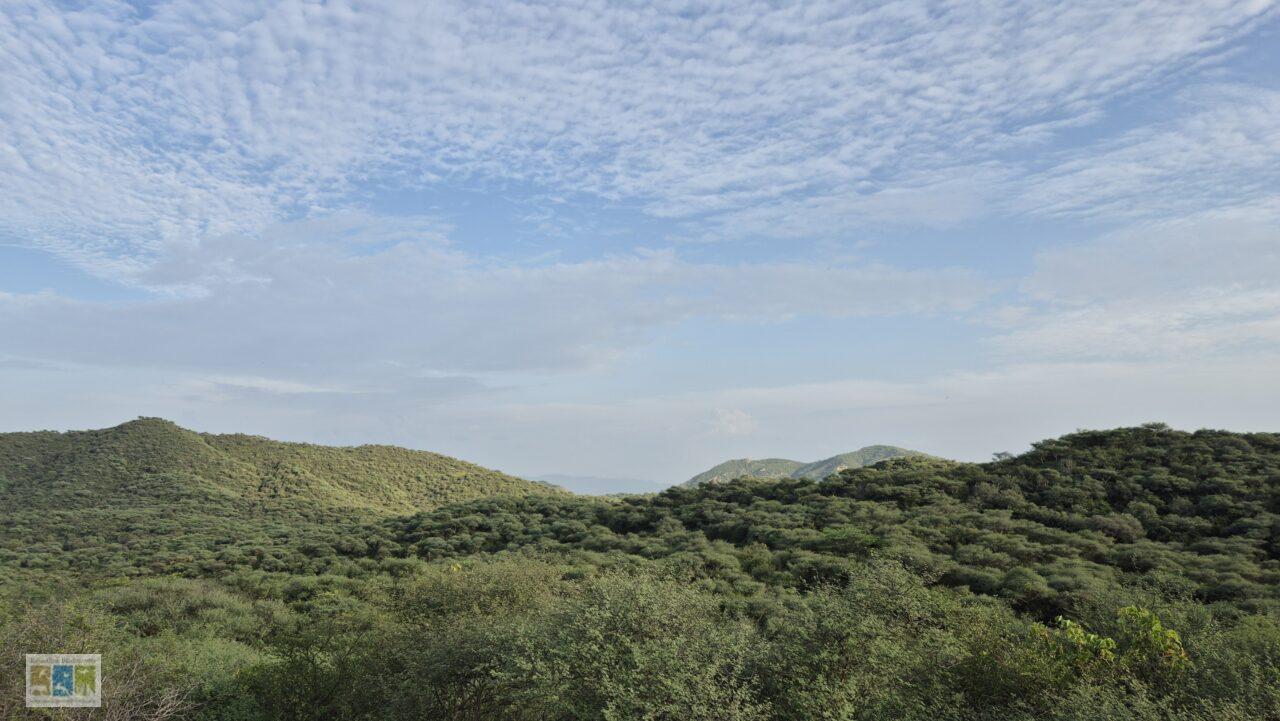
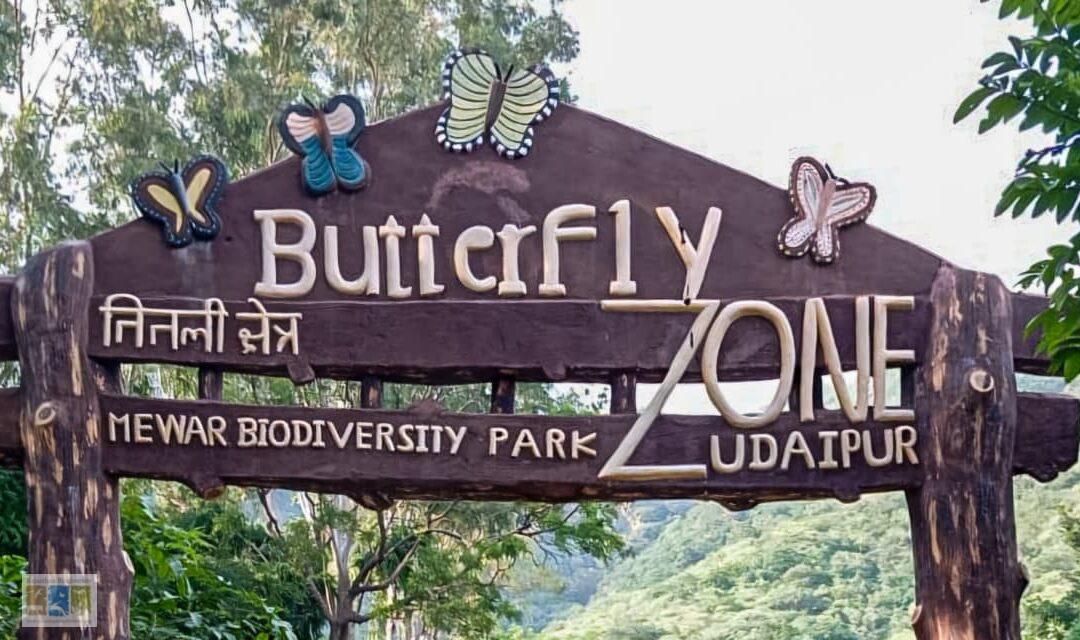
A biodiversity park has been developed in the Amberi Forest Block by the Forest Department Rajasthan known as “Mewar Biodiversity Park”. It was inaugurated on February 26, 2016. To create mass awareness about the butterflies, a butterfly park was developed inside the “Mewar Biodiversity Park, Amberi, Udaipur”. It was inaugurated on June 24, 2024.  So far 83 species of the butterflies have been recorded in this butterfly park. For the benefit of tourists coming to visit the butterfly park, a field guide has been developed by the park authorities to make butterfly identification easy. Many larval host and nectar plants are naturally growing in and around the butterfly park (Fig-1&2). Besides naturally growing pants a large number of larval hosts and nectar providing species have been planted to enrich the habitat quality of the park. Monsoon and summer are the best period to visit the park. Few or all four stages of the butterflies namely, egg, caterpillar, pupa and imago can be seen in this park after limited efforts only.

Figure 1: Gateway of Butterly Park, Amberi, Udaipur

Many walk ways have been developed in the butterfly park. Using these paths, visitors can reach at different corners of the park very easily. The micro habitat and micro climate of the park is very congenial to different species of butterflies and moths. Suitable mud puddling points are also developed to meet out the biological needs of the butterflies.

Figure 2: Vegetation of Butterfly Park Amberi

A list of the butterflies, so far seen in the Butterfly Park Amberi and their larval hosts are shown below in table 1:

TABLE 1: BUTTERFLIES AND THEIR LARVAL HOSTS CONFINED IN AND AROUND THE BUTTERFLY PARK AMBERI

S. No.

Name of butterfly species

Name of host species useful as larval host

Common Name

Latin Name

1.      

Common rose

Pachliopta aristolochiae

Aristolochia indica, A. brateolata

2.      

Crimson rose

Pachliopta hector

Aristolochia indica

3.      

Lime

Papilio demoleus

Aegle marmelose, Citrus limon

4.      

Common Mormon

Paplilio polytes

Aegle marmelose, Citrus limon

5.      

Tailed jay

Graphium Agamemnon

Polyalthia longifolia, Annona squamosa

6.      

Common jay

Graphium doson

Polyalthia longifolia, Annona squamosa

7.      

Spot swordtail

Graphium namius

Miliusa tomentosa

8.      

Common grass yellow

Eurema hecabe

Pithecellobium dulce, Cassia tora

9.      

Spotless grass yellow

Eurema laeta

Cassia pumila

10.   

Small grass yellow

Eurema brigittav

Cassia pumila

11.   

Common emigrant

Catopsilia pomona

Cassia siamea, C. fistula

12.   

Mottled emigrant

Catopsilia pyranthe

Cassia siamea, C. occidentalis

13.   

Psyche

Eptosia nina

Capparis sepiaria

14.   

Pioneer

Belenois aurota

Capparis sepiaria, C. decidua

15.   

Little orange-tip

Colotis etrida

Capparis decidua, Maerua oblongifolia

16.   

White orange-tip

Ixias marianne

Capparis sepiaria, C. decidua

17.   

Yellow orange-tip

Ixias pyrene

Capparis sepiaria

18.   

Common gull

Cepora Nerissa

Capparis sepiaria, C. decidua

19.   

Common jezebel

Delias eucharis

Dendrophthoe falcata

20.   

Western striped albatross

Appias libythea

Maerua oblongifolia, Crateva spp.

21.   

Large salmon arab

Colotis fausta

Maerua oblongifolia

22.   

Tiny grass blue

Zizula hylax

Ruellia patula, R. prostata

23.   

Grass Jewel

Fregyeria putii

Indigofera linnaei, Indigofera cordifolia

24.   

Pea blue

Lempides boeticus

Butea monosperma, Lablab purpureus

25.   

Zebra blue

Leptotes plinius

Plumbago zeylanica, Albizia lebbek

26.   

Gram blue

Euchrysops cnejus

Euchrysops cnejus

27.   

Forget-me-not

Ccotochrysops strabo

Butea monosperma, Tephrosia purpurea

28.   

Striped pierrot

Tarucus nara

Ziziphus mauritiana, Ziziphus nummularia

29.   

Black-spotted pierrot

Tarucus balkanicus

Ziziphus mauritiana

30.   

Common pierrot

Castalius rosimon

Ziziphus mauritiana

31.   

Red pierrot

Talicada nyseus

Bryophyllum pinnatum, Kalanchoe spp.

32.   

Lime blue

Chilades lajus

Citrus limon, Citrus spp.

33.   

Small cupid

Chilades parrhasius

Prosopis cineraria, Acacia leucophloea

34.   

Plains cupid

Chilades pandava

Cycas revoluta

35.   

Indian cupid

Everes lacturnus

Desmodium gangeticum

36.   

Lesser grass blue

Zizina otis

Alysicarpus vaginalis, Desmodium triflorum

37.   

Dark grass blue

Zizeeria karsanadra

Amaranthus viridis, Tribulus terrestris

38.   

Pale grass blue

Pseudozizeeria maha

Oxalis corniculate

39.   

African babul blue

Azanus jesous

Acacia leucophloea

40.   

Bright babul blue

Azanus ubaldus

Acacia nilotica, Acacia leucophloea

41.   

Tailless lineblue

Prosotas dubiosa

Pithecellobium dulce, Prosopis cineraria

42.   

Indian red flash

Rapala airbus

Acacia leucophloea, Butea monosperma

43.   

Common silverline

Spindasis vulcanus

Clerodendrum phlomidis, Ziziphus mauriatiana

44.   

Common shot silverline

Spindasis ictis

Clerodendrum phlomidis, Ziziphus mauriatiana

45.   

Plumbeous silverline

Spindasis schistacea

Acacia spp.

46.   

Common cerulean

Jamides celeno

Pongamia pinnata

47.   

Common guava blue

Virachola Isocrates

Psidium guajava

48.   

Plains blue royal

Tajuria jehana

Dendrophthoe falcata

49.   

Indian sunbeam

Curetis thetis

Pongamia pinnata, Abrus precatorius

50.   

Danaid eggfly

Hypolimans misippus

Portulaca oleracea, Elytraria acaulis

51.   

Great eggfly

Hypolimans bolina

Sida rhombifolia, Rungia spp.

52.   

Blue pansy

Junonia orithya

Lindenbergia muraria, Ruellia prostate

53.   

Lemon pansy

Junonia lemonias

Barleria prionitis, Ruellia tuberosa

54.   

Peacock pansy

Junonia almana

Phyla nodiflora, Hygrophila auriculata

55.   

Yellow pansy

Junonia hierta

Barleria prionitis, Ruellia tuberosa

56.   

Grey pansy

Junonia atlites

Hygrophila auriculata

57.   

Chocolate pansy

Junonia iphita

Barleria cristata

58.   

Painted lady

Vanessa cardui

Echinops echinatus

59.   

Black rajah

Charaxes solon

Tamarindus indicus, Pithecellobium dulce

60.   

Anomalous nawab

Charaxes agrarius

Acacia catechu

61.   

Common evening brown

Melanitis leda

Oryza sativa, Sorghum spp.

62.   

Common three-ring

Ypthima asterope

Cynodon dactylon

63.   

Common four-ring

Papilio demoleus

Cynodon dactylon

64.   

Baronet

Symphaedra nais

Diospyros melanoxylon

65.   

Common sailer

Neptis hylas

Desmodium spp.

66.   

Common castor

Ariadne merione

Ricinus communis, Tragia plukenetii

67.   

Tawany coster

Acraea terpsicore

Passiflora foetida, P. incarnata

68.   

Common leopard

Phalanta phalantha

Flacourtia indica

69.   

Plain tiger

Danaus chrysippus

Calotropis gigantea, Pergularia daemia

70.   

Striped tiger

Danaus genutia

Ceropegia bulbosa

71.   

Common Indian crow

Euploea core

Carissa carandas, Nerium oleander

72.   

Blue tiger

Tirumala limniace

Dregea volubilis

73.   

Indian palm bob

Suastus gremius

Cocos nucifera, Phoenix sylvestris

74.   

Rice swift

Borbo cinnara

Cymbopogen spp., Echinochloa colona

75.   

Small branded swift

Pelopidas mathias

Zea mays, Oryaza sativa

76.   

Swift sp.

Parnara sp.

Setaria spp., Oryaza sativa

77.   

Common banded awl

Hasora chromus

Pongamia pinnata

78.   

Brown awl

Badamia exclamationis

Terminalia bellirica

79.   

Indian skipper

Spialia galba

Waltheria indica, Sida spinosa

80.   

Zebra skipper

Ernsta zebra

Melhania futteyporensis

81.   

Pale palm- dart

Telicota colon

Saccharum officinarum

82.   

Spotted small flat

Sarangesa purendra

Lepidagathis trinervis

83.   

Tricolor pied flat

Coladenia indrani

Mallotus phillipensis

Many nectar providing species like Adhatoda vasica, Calotropis gigantea, C. procera, Salvia spp., Euphorbia nerifolia, Euphorbia caducifolia, Eharatia laevis, Clerodendron phlamoides, Asclepias curassavica, Buddleia davidii, Vernonia spp., Zinnia spp., Lavender, Marigold, Sunflower, Daisy, Dandelion, Tridex procumbens, Leucas aspera, Anisomeles indica, Leonotis nepetiifolia, Stachytarpheta jamaicensis etc. are also planted in beds and pots to attract the butterflies to feed.

Like butterfly park, other thematic parks like climber park, bush park (shrubbery), euphorbia park, ficus park, ziziphus park, grass park (grassetum), bamboo park (bambusetum), fern park (fernery), rose park (rosery), orchid park (orchidarium) etc. should be developed and maintained regularly for awareness and nature education. 

Dr. Satish Kumar Sharma

Assistant Conservator of Forests (Retd.)

14-15, Chakri Amba, Rampura Circle, Jhadol Road

Post – Nai, Udaipur – 313031, Rajasthan

email: sksharma56@gmail.com

कदम तालाब

कदम तालाब

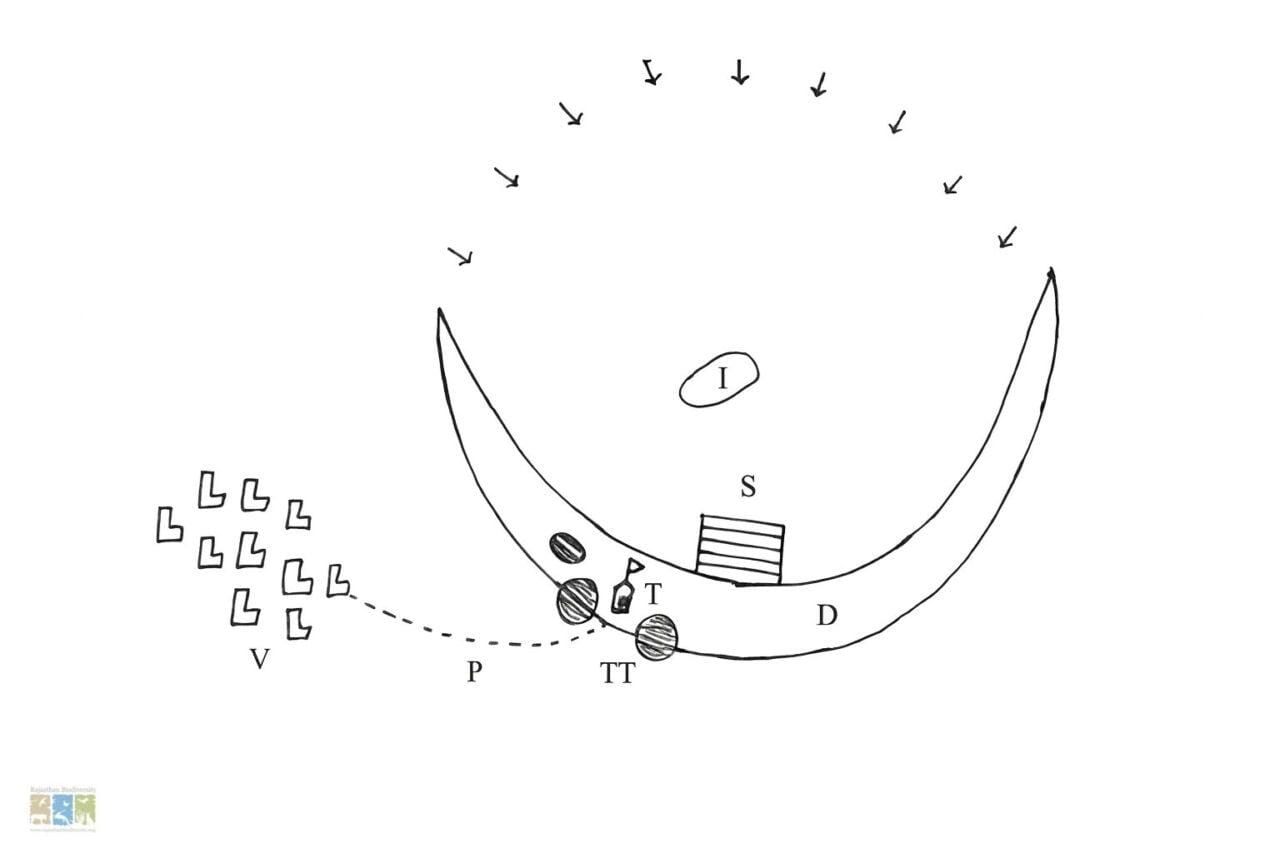
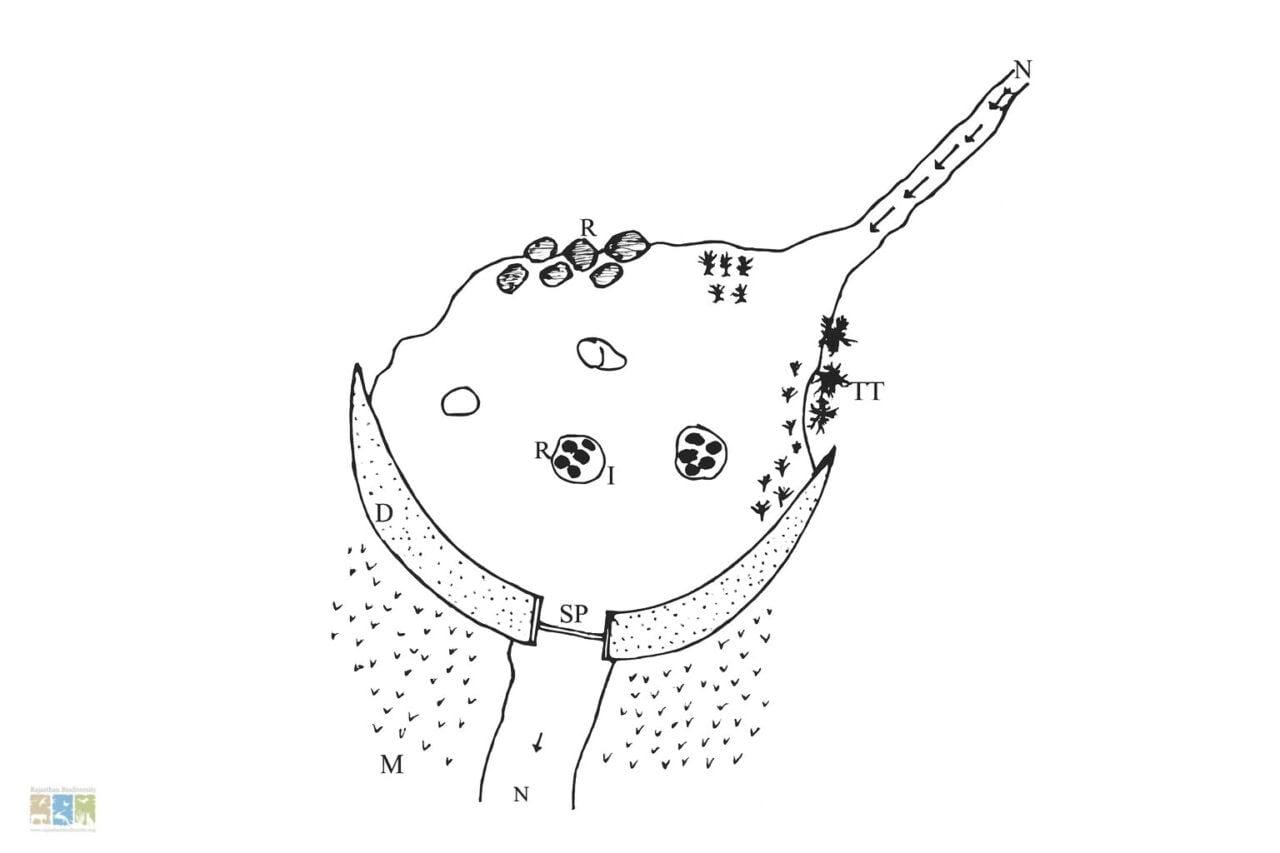
देश के ग्रामीण अंचलों में जगह-जगह तालाब (जोहड) मिलते हैं जिनका आर्थिक, धार्मिक, सांस्कृतिक महत्व तो है ही उनका पारिस्थतिकीय महत्व भी कम नहीं है। इन ग्रामीण तालाबों का कैचमेन्ट आस -पास का क्षेत्र होता है तो कई बार कैचमेन्ट जलाशय से काफी दूर भी स्थित होता है। ऐसी स्थिति में दूरस्थ कैचमेन्ट को जलाशय से कोई न कोई नाला जोड़ने का काम करता है। आस-पास के कैचमेन्ट वाले जलाशयों का पानी प्रायः सभी दिशाओं से बहता हुआ जलाशय में पहुँच कर जमा होता रहता है लेकिन दूरस्थ कैचमेन्ट की स्थिति में कैचमेन्ट का जल नाले के रास्ते से बहता हुआ जलाशय में पहुँचता है। (चित्र 1.1 एवं 1.2)

Picture 1 Kadam Talab with catchment

चित्र 1.1: स्थानीय कैचमेन्ट युक्त तालाब

Picture 2 Kadam Talab with Satellite catchment

चित्र 1.2: एक तालाब, दूर स्थित कैचमेन्ट से, नाले से जुड़ा हुआ। 

नोट: (S=सीढी/घाट, T=धार्मिक स्थल, I=द्वीप, V= गाँव, P= रास्ता, SP= अतिरिक्त जल निकासी हेतु ओटा, N= नाला, TT= वनस्पतियां, R=चट्टानों के टुकडे, D= पाल/तट बन्ध, M=मार्सी क्षेत्र)

गाँव के तालाबों के पानी को रोके रखने हेतु उन पर ढाल की तरफ अर्धचंद्राकार या गोलाकार मिट्टी के तटबन्ध बनाये जाते हैं जिन्हें स्थानीय भाषा में ’पाल’ (embankment) कहा जाता हैं। पाल पर कई बार तरह – तरह के वृक्ष भी लगाए जाते हैं या अपने आप उग आते हैं जिन्हें पाल वृक्ष (embankment trees) कहा जाता है।

तालाबों, एनीकटों व बांधो के मिट्टी की बनी पाल या तटबन्धों पर कोई देव स्थान, नहाने के घाट, उतरने-चढ़ने की सीढ़ियाँ, खुर्रे या रपट, ओटा (spill over) आदि विद्यमान हो सकते हैं। पाल वृक्ष, पाल की मिट्टी को बाँध कर रखते हैं तथा बहते वर्षा जल व हवा से उसे कटने से बचाते हैं एवं तटबन्ध को सुरक्षा प्रदान करते हैं। पाल वृक्षों की वजह से तालाबों की सुन्दरता तो बढती ही है उनकी छाया में पालतू व वन्य पशु तथा मनुष्य विश्राम करते हैं। पाल वृक्षों से चारा, फल, फूल, शहद, गौंद, ईंधन, आदि लघु वन उपज भी मिलते हैं। पाल वृक्षों पर तरह – तरह के पक्षी, लंगूर, बंदर, गिलहरी, गिरगिट, बागल, बिज्जू (civet) आदि बसेरा करते हैं एंव प्रजनन भी करते हैं। पाल वृक्ष के कोटरों में उल्लू, बसंता, मैना, टिट आदि पक्षी प्रजनन से लेकर रात्रि विश्राम करते हैं।

ग्रामीण क्षेत्रों में मेलों व धार्मिक अनुष्ठानों का आयोजन प्रायः तालाबों के पास होता है एवं इन कार्यों हेतु पाल वृक्ष बहुत काम आते हैं। गाँव के बच्चों द्वारा वृक्षों पर झूले डाले जाते हैं। वन क्षेत्रों से दूर ये तालाब एक अच्छे “वाटर होल” (water hole) की भूमिका भी निभाते हैं तथा वनों से दूर खेतों, पडत, बंजर व चारागाहों में रहने वाले वन्यप्राणी यहां पानी पीने आते हैं। कई बार पाल वृक्षों पर बागलों (Flying Fox-Pteropus gigenticus) की कॉलोनियां पाई जाती हैं। बागल भूमि पर उतर कर पानी नहीं पी सकती बल्कि वे उडते हुए ही पानी पीती हैं इसलिये उनको बडा व खुला जलाशय ही रास आता है। ये बागल परागण व प्रकीर्णन का कार्य कर प्रकृति में सकारात्मक भूमिका निभाती हैं।

पाल वृक्षों की विशेषतायें व सही प्रजातियों का रोपण हेतु चयन:

“पाल” वस्तुतः एक बड़ा मिट्टी का डौला (Bund or mound) है जिस पर मिट्टी का कटाव चलता रहता है। अतः पाल पर उगे वृक्ष की जडें भूमि क्षरण की वजह से आने वाले वर्षों में आंशिक रूप से नंगी हो जाती हैं तथा दिखने लग जाती हैं। समय-समय पर ग्रामीण अपने श्रम से या किसी सरकारी योजना अन्तर्गत तालाब को गहरा करने हेतु, मिट्टी खोद कर पाल पर डालते हैं जिससे न केवल जडें बल्कि तने पर भी एक ऊँचाई तक मिट्टी चढा दी जाती है। मिट्टी की कमी व मिट्टी की अधिकता को फाइकस वंश (Genus Ficus) अच्छी तरह सहन कर सकता है। इस लिहाज से पीपल (Ficus religiosa), बरगद (Ficus benghalensis), गूलर (Ficus recemosa), पाखड (Ficus virens), पिपरानी (Ficus lambertiana), पलक या पिंपरी (Ficus amplecema), करंज (Pongamia pinnata) आदि पाल हेतु अधिक उपयुक्त प्रजातियां है एवं प्राय इनका रोपण भी काफी किया जाता है। कई जगह नीम, इमली, आम, देशी बबूल, रायण, महुआ, जामुन, खेजडी, इन्द्रधोक (Anogeissus sericea nummularia) आदि भी पाल पर रोपित किये जाते हैं या सुरक्षित रखे जाते हैं।

कदम – तालाब

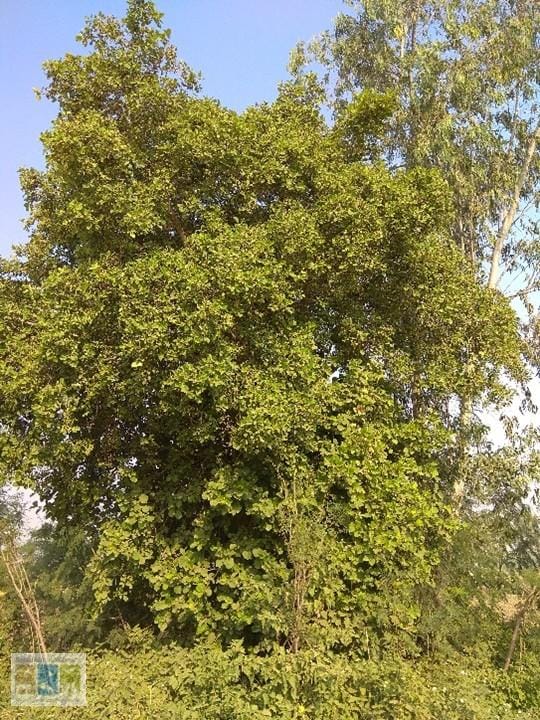
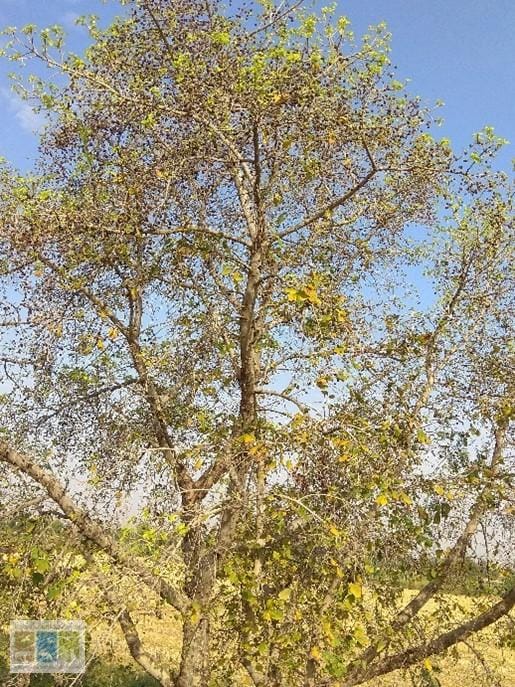
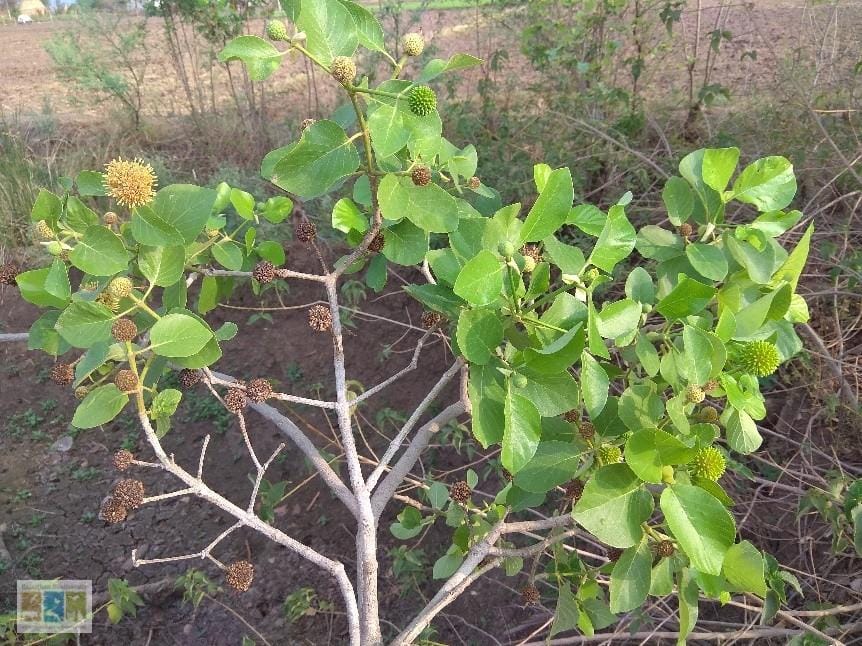
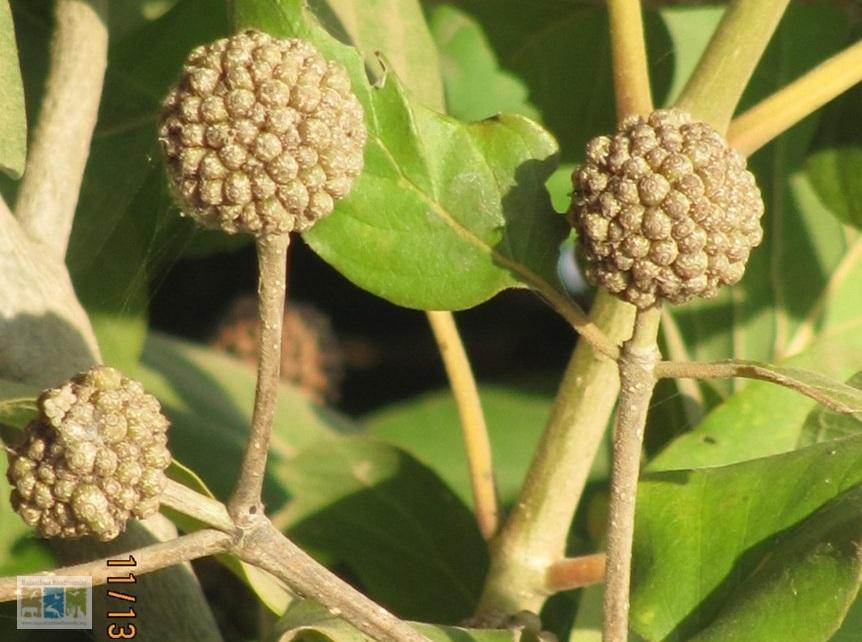
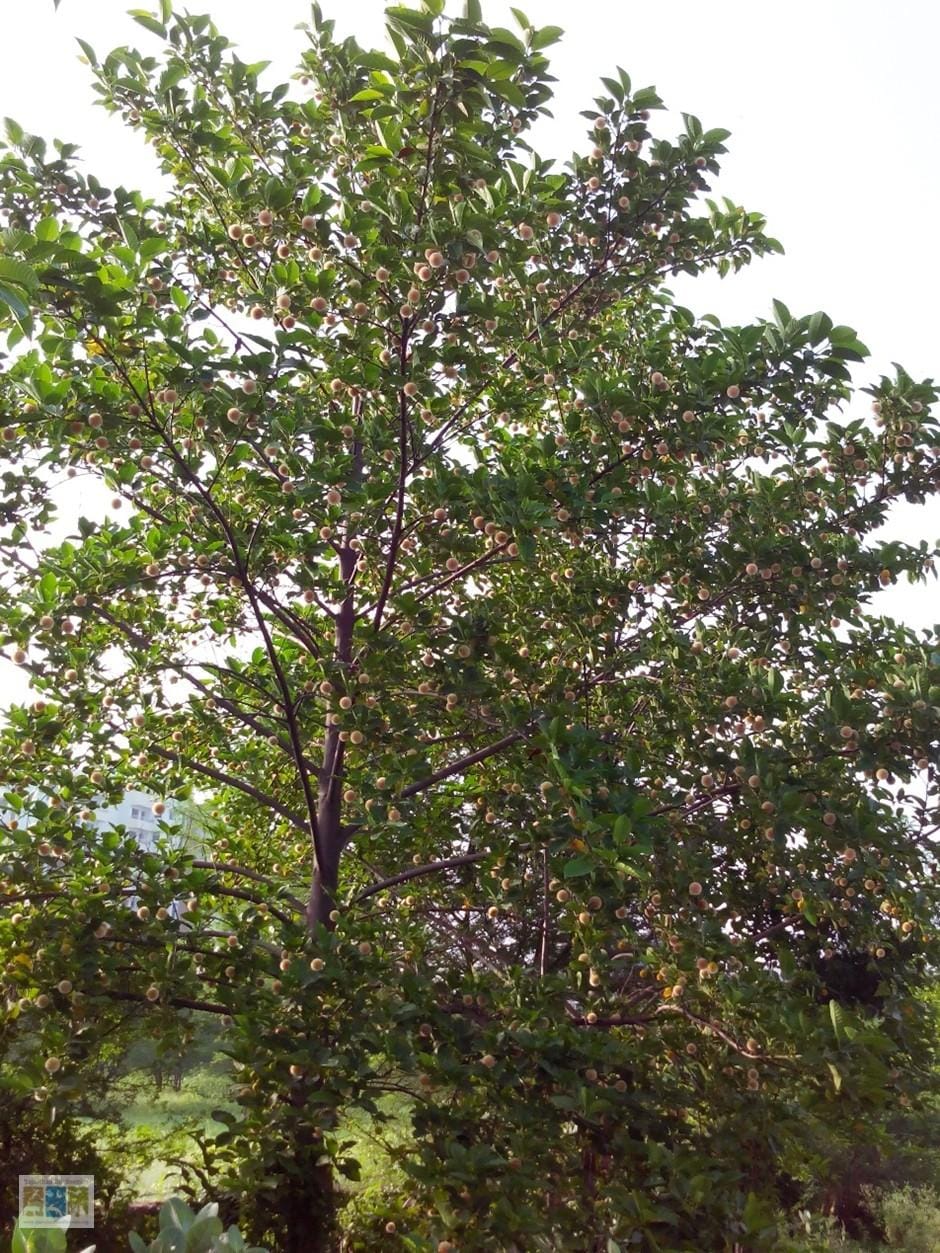
धार्मिक एवं सांस्कृतिक कार्य हेतु कई बार ग्रामीणजन अपने गाँव के जलाशय की पाल पर न्यूनतम एक कदम (Mitragyna parvifolia) का पौधा भी लगाते हैं जो कालांतर में वृक्ष के रूप में पनप जाते हैं (चित्र 2.1 से 2.4)। कई बार एक से अधिक कदम वृक्षों को भी पनपाया जाता है। एक बार रोपण से तैयार होने पर गिरने वाले बीजों से नए कदम भी अपने आप पनपते रहते हैं। जिन तालाबों पर कदम प्रजाति का एक या अधिक वृक्ष “पाल वृक्ष” के रूप में विद्यमान हो उस तालाब को “कदम – तालाब” या “कदमा तालाब” कहा जाता है। पूर्वी राजस्थान में जगह – जगह कदम – तालाब देखने को मिलते हैं। अलवर जिले में मुण्डावर-बहरोड क्षेत्र में हुलमाणा कलाँ, गादली की ढाणी, बीजवाड चैहान, फौलादपुर, काँटी खेडी आदि गाँवों के कदम तालाब उल्लेखनीय हैं। पूर्वी राजस्थान के इस क्षेत्र से सटे व निरंतरता आगे तक हरियाणा राज्य के रेवाडी, झज्जर आदि जिलों के विभिन्न गाँवों में भी कदम तालाब देखने को मिलते हैं। कदम तालाबों में स्थानीय ग्राम एवं आस-पास के अन्य ग्राम जहाँ कदम तालाब उपस्थित नहीं है वहाँ की महिलाएं विभिन्न धार्मिक एवं सांस्कृतिक कार्यक्रम श्रावण मास में कदम वृक्ष के नीचे संपन्न करती हैं। कई तरह के उपवासों में खाना घर से बनाकर महिलाएं गीत गाते हुए कदम तालाब पर पहुँचती हैं तथा कदम वृक्ष के नीचे बैठकर सामूहिक भोज कर उपवास खोलती हैं। यह परंपरा सदियों से चली आ रही है।

Picture 1 Kadam Talab with catchment

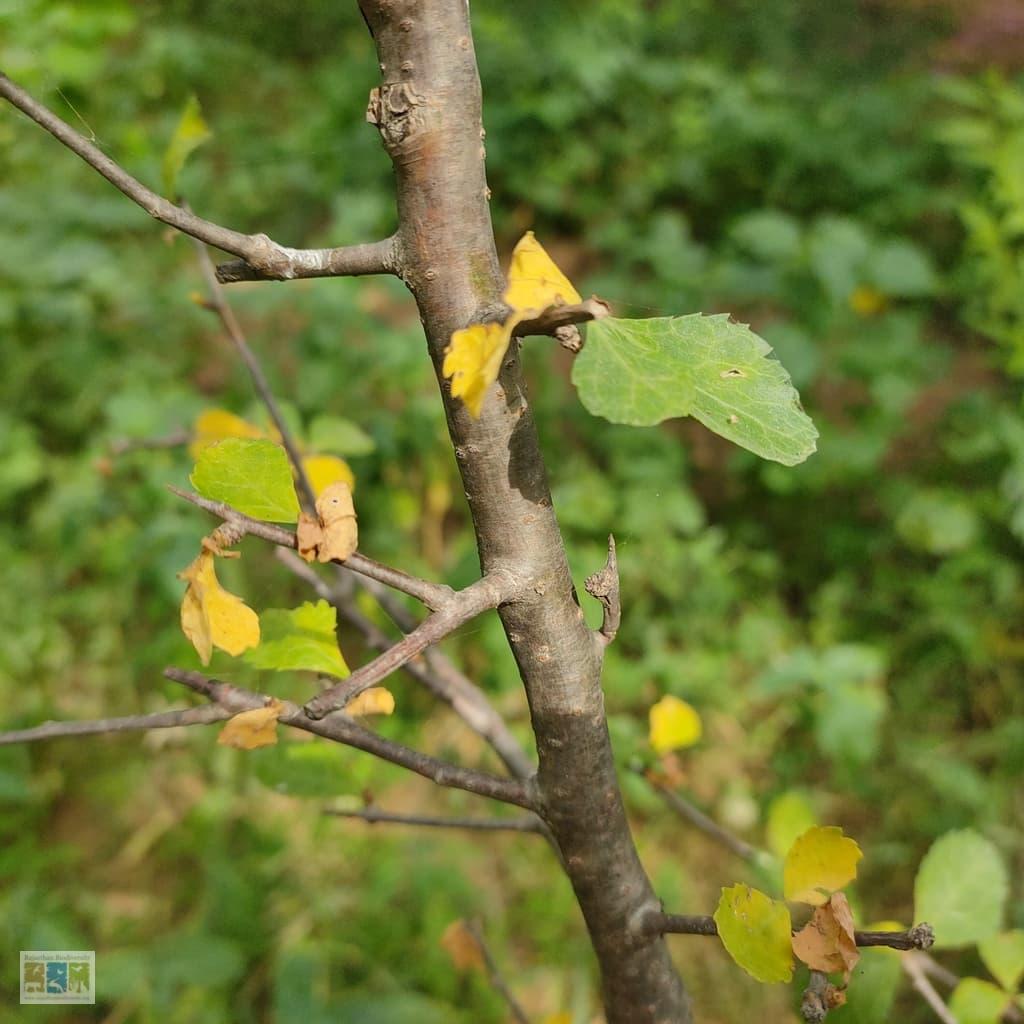
चित्र 2.1: मित्रागायना पार्वीफोलिया: वर्षा काल में

Picture 2 Kadam Talab with Satellite catchment

चित्र 2.2: मित्रागायना पार्वीफोलिया: पतझड काल में

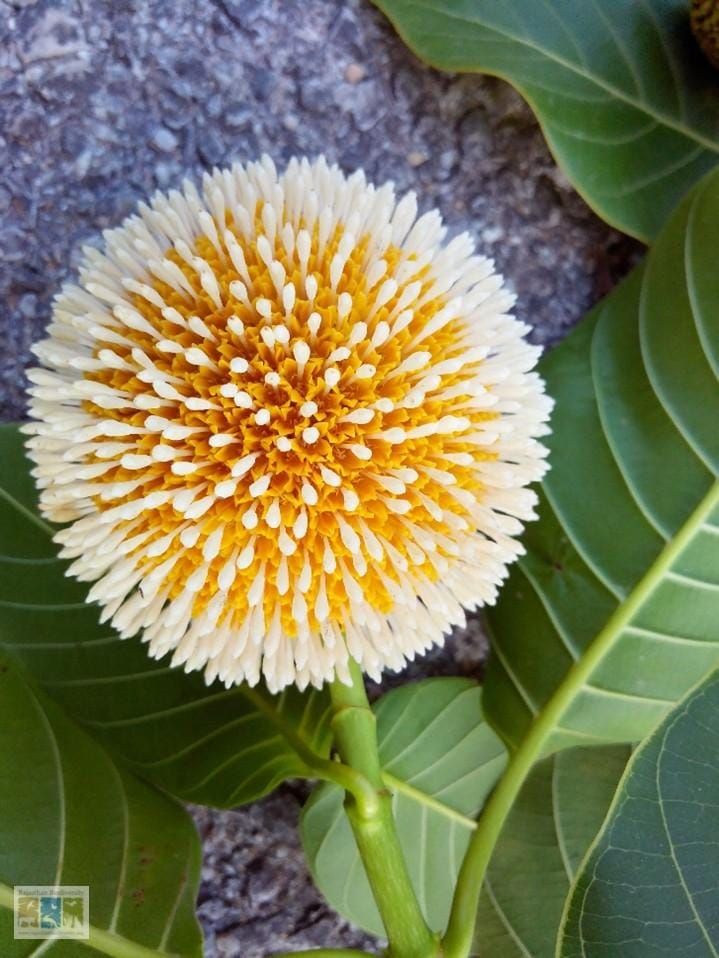
चित्र 2.3: मित्रागायना पार्वीफोलिया: पुष्प काल क्लोजअप

चित्र 2.3: मित्रागायना पार्वीफोलिया: पुष्प काल क्लोजअप

चित्र 2.4: मित्रागायना पार्वीफोलिया: पुष्प मुण्ड क्लोजअप

चित्र 2.4: मित्रागायना पार्वीफोलिया: पुष्प मुण्ड क्लोजअप

कदम कुण्ड

कदम तालाब की तरह सामान्य कुण्डों के मुकाबले कदम कुण्ड भी धार्मिक एवं सांस्कृतिक गतिविधियों हेतु विशेष महत्व रखते हैं। पहाड़ों में जगह-जगह खोखले गड्ढेनुमा या गुफानुमा स्थान मिलते हैं जिन्हें “कुण्ड” कहा जाता है। कुण्डों में वर्ष प्रान्त या वर्षाकाल एवं सर्दी के मौसम में पानी विद्यमान रहता है। अजमेर जिले में पुष्कर में पास पंचकुण्ड, अलवर जिले में रेणागिरि गाँव के पास परशुराम कुण्ड, बडा बेरा कुण्ड, हनुमान कुण्ड; झुंझुनू जिले में लोहार्गल कुण्ड, चिराणा गाँव के “ताताकुण्ड” व “ठण्डाकुण्ड” आदि प्रसिद्ध हैं। यदि किसी कुण्ड के पास कदम (Mitragyna parvifolia) का वृक्ष उगा हो तो उसे “कदम कुण्ड” कहा जाता है। सीकर जिले में नीम का थाना कस्बे के पास छापोली गाँव में एक कदम कुण्ड बहुत प्रसिद्ध है। स्थानीय जनों द्वारा सामान्य कुंडों की तुलना में कदम कुण्ड में धार्मिक अनुष्ठान करने को प्राथमिकता दी जाती है। ऐसे कुण्डों में विशेष रूप से श्रद्धालु स्नान करने को प्राथमिकता देते हैं जिनके पास कदम वृक्ष विद्यमान हो।

कदम रोपण

कदम या कदम्ब के नाम से दो वृक्ष प्रजातियां, मित्रागायना पार्वीफोलिया (Mitragyna parvifolia) (चित्र 2.1 से 2.4) तथा नियोलैमार्किया कदंबा (Neolamarckia cadamba) (चित्र 3.1 से 3.3) ज्ञात हैं। मित्रागायना पार्वीफोलिया जिसे कलम नाम से भी जाना जाता है, लेकिन बोल- चाल में ‘कदम’ नाम ही अधिक प्रचलित हैं। प्राकृतिक रूप से यह प्रजाति राजस्थान के पहाड़ी वनों में जगह-जगह देखने को मिलता है जबकि नियोलैमार्किया कदंबा प्राकृतिक रूप से राजस्थान में नहीं पाया जाता। यह प्रजाति जहाँ भी राजस्थान में देखने को मिलती है किसी न किसी व्यक्ति या संस्था द्वारा रोपित की गई होती है। मित्रागायना पार्वीफोलिया सामान्यता पहाड़ों से दूर नहीं मिलती। प्राचीन समय में पौधशालाओं का भी अभाव था अतः पुराने समय में ग्रामीण लोग पहाडी वन क्षेत्र से वर्षा ऋतु में प्राकृतिक रूप से उगे कदम के छोटे पौधों को मिट्टी के पिण्ड सहित खोद कर लाते थे तथा अपने गाँव के तालाब की पाल पर रोपित करते थे एवं समय-समय पर पानी पिलाकर उसे बडा होने देते थे। इस दौरान बाडबन्दी कर उसे गाँव के पशुओं से चराई व रौंदने से सुरक्षा प्रदान करते थे। इस तरह ग्रामीण अपने गाँव के सामान्य तालाब को एक कदम तालाब बना देते थे। गाँव का कोई भी व्यक्ति तालाब के कदम वृक्ष को नुकसान नहीं पहुँचाता था। समय के साथ बढ़े हुए कदम वृक्ष के बीज गिर कर नए कदम वृक्ष पनपाने लगते थे। आस – पास के लोग अब किसी पर्वतीय वन से नहीं बल्कि किसी गाँव के तालाब से नया कदम पौधा लेकर दूसरे तालाब पर रोपित करते रहते थे। इस तरह इस प्रजाति का फैलाव वन क्षेत्र से दूर होता रहता था। लेकिन समय के साथ कदम वृक्ष रोपण का सिलसिला लगभग समाप्त हो गया है। आज जो भी कदम गाँव में तालाबों के तट पर नजर आते हैं वे तीन – चार पीढ़ियों पहले तक के ही नजर आते हैं।

चित्र 3.1: नियोलैमार्किया कदंबा वृक्ष

चित्र 3.1: नियोलैमार्किया कदंबा वृक्ष

चित्र 3.2: नियोलैमार्किया कदंबा पुष्प काल में

चित्र 3.2: नियोलैमार्किया कदंबा पुष्प काल में

चित्र 3.3: नियोलैमार्किया कदंबा पुष्प

चित्र 3.3: नियोलैमार्किया कदंबा पुष्प

राजस्थान के तालाबों के तट पर विशेष रूप से संरक्षित किये जाने वाले कदम तथा इन्द्र धोक (Anogeissus sericea var. nummularia) दो खास वृक्ष हैं। इन्द्र धोक राजस्थान के अनेक भागों में, खास तौर से पश्चिमी राजस्थान के अर्द्ध – शुष्क क्षेत्र के तालाबों के तट पर पाया जाता है तथा समाज द्वारा सदियों से संरक्षित किया जा रहा है। राजस्थान के तालाब तटों पर बरगद, पीपल एवं नीम भी विशेष रूप से पाये जाते हैं जिनका महत्व सर्व विदित है। हमें तालाबों की पालों पर वृक्षो को लगाने, बचाने व संरक्षित करने की परंपरा को ससम्मान बचाये रखना चाहिए।

राजस्थान में तालाबों, जोहडों, नाडियों, बावडियों, केवडियों आदि परंपरागत जल संरक्षण संरचनाओं का सदियों से महत्व रहा है। तालाबों के कई आकार – प्रकार एवं नामकरण भी प्रचलन में रहे हैं। जिस तरह कदम की उपस्थिति से कोई तालाब कदम तालाब के रूप में जाना जाता है उसी तरह कमल यानि पदम की उपस्थिति से कई तालाब “पदम तालाब” का खिताब पाते रहे हैं। हमें जतनपूर्वक अपने तालाबों को बचाकर अच्छी प्राचीन परम्पराओं को अगली पीढ़ी को सौंपने में गर्व महसूस करना चाहिये।

सतीश कुमार शर्मा

राजस्थान वन सेवा (सेवा निवृत)

14-15, चकरिया आम्बा, रामपुरा चैराहा, झाडोल रोड़

पोस्ट – नाई, उदयपुर – 313031, राजस्थान, भारत

sksharma56@gmail.com

कीडी नगरा

कीडी नगरा

क्या आपने कभी सुना है गाँवों में बने ‘कीडी नगरा’ के बारे में, जहाँ इंसान चींटियों के लिए बाड़ा बनाते हैं और खाना परोसते हैं? यह अनोखी परंपरा राजस्थान की संस्कृति और प्रकृति के रिश्ते की दिलचस्प कहानी है।

चींटियाँ, मधुमक्खियाँ, एवं ततैये हाईमिनोप्टेरा गण के सदस्य कीट हैं इनके झिल्ली जैसे पंखो के आर-पार देखा जा सकता है। तितलियों की तरह इनके पंखों पर स्केल नहीं होते। इनके अग्र जोडी पंख बडे एवं पश्च जोडी पंख आकार में छोटे होते हैं। इस वर्ग के कीटों के जबडे कुछ बडे व अच्छी तरह विकसित होते हैं। इस गण के कीट अकेले न रहकर एक बडे परिवार के रूप में सामाजिक जीवन यापन करते हैं।

मधुमक्खियों व ततैयों में हर समय शरीर पर पंख पाये जाते हैं जबकि लैंगिक रूप से प्रौढ, परिपक्व एवं प्रजनन क्षमता युक्त चींटियों में प्रजनन काल में ही पंख आते हैं। नर – मादा के मिलन के बाद दीमकों की तरह पंख झड कर गिर जाते हैं। चींटियों के एक ही परिवार में कई तरह के विशिष्ट सदस्य पाये जाते हैं जो काॅलोनी में अलग – अलग तरह का कार्य संपादित करते हैं। चींटियों की यह बहुरूपता अद्भुत होती है। कुछ प्रजातियों में तो बहुरूपों की संख्या 29 तक पहुँच जाती है। फिर भी 4 बहुरूप श्रमिक, सैनिक, उर्वर मादा एवं उर्वर नर सबसे आम व जाने पहचाने होते रूप होते हैं। चींटियों का अध्ययन एक विशेष विज्ञान में किया जाता है जिसे चींटी विज्ञान (Myrmecology) कहते हैं।

राजस्थान में वन्यजीवों के संरक्षण की परंपरा कीडी यानी चींटी जैसे छोटे से प्राणी से प्रारंभ होती है और बाघ जैसे बडे प्राणी तक पहुँच जाती है। ऐसी संरक्षण की विविधता राजस्थान की लोक संस्कृति में सदियों से चली आ रही है। हमारे राज्य में चींटी तक को मारना पाप समझा जाता है।

राजस्थान के गाँवों में चींटी को कीडी नाम से जाना जाता है। चींटी लोक कहावतों में भी स्थान रखती है। कोई सामान्य सा व्यक्ति अपने बूते से कुछ बडा करने की बात कहे या बडी-बडी डींगें हाँके या दुःसाहस करे तो उसे “चींटी के भी पर निकलने लगे हैं” जैसे मुहावरे से वर्णित-मंडित किया जाता है।

राजस्थान में ऐसा कोई क्षेत्र नहीं जहाँ चीटियाँ नहीं हों। हर गाँव में चींटियाँ मिल ही जाती हैं। कुछ जगह तो चीटियों के प्राचीन बिल मिलते हैं जिनमें लाखों चींटियाँ निवास करती हैं। ये बिल वहाँ कब से हैं कोई नहीं जानता। स्थानीय बुजुर्गों से पूछो तो बतायेंगे – साब मैं तो इनके इस बिल को मेरे जन्म से यहीं देख रहा हूँ। चींटियों के बिल, उनमें निवास करने वाली चीटियाँ और उनके आने-जाने से बने रास्ते सब मिला कर चीटियों का एक नगर जैसा होता है। चींटियों की छोटी, मध्ययम और बडी बस्तियाँ प्रकृति में जगह-जगह देखने को मिलती हैं। चींटियों की छोटी एवं मध्ययम बस्तियाँ तब तक ध्यान आकर्षित नहीं करती जब तक की वे बडी न हो जायें। बडी होने पर उनके चलने के पथ एक सँकरी सी, साफ-सुथरी सडक जैसी दूर से ही नजर आने लगती हैं। आते-जाते लोग चींटी पथ पर पैर नहीं रखते तथा लाँघ कर ही अपना आगे का रास्ता चलते जाते हैं। ये चींटी पथ सीधे, दूर तक अशाखित, एक समान चैडाई वाले या कई बार कुछ दूर जाकर घुमावदार व सँकरे भी हो जाते हैं यानी ये कई आकार के एवं अलग-अलग चैडाई के हो सकते हैं। आने एवं जाने, दोनों दिशाओं का ’’ट्रैफिक’’ उसी एक रास्ते पर चलता है। हमारी तरह चींटियों को दायें एवं बायें का ज्ञान नहीं होता है वे रास्ते की चौडाई के अन्दर रहते हुऐ कहीं से भी अपना रास्ता बना सकती हैं। चींटी पथ पर वे अपना भोजन मुँह में दबाये, बिल की तरफ आती हुई नजर आती हैं तथा भोजन के दानें व दूसरी वस्तुऐं बिल के भण्डार गृह में जमा कर वे बिना सुस्ताए फिर से अगले फेरे के लिये फिर निकल पडती हैं। यह सारा कार्य श्रमिक वर्ग की चींटियों को करना पडता है। चींटी पथ पर ’’चींटियों का ट्राफिक’’ ऐसा लेगता है मानों सडक पर कुछ ट्रक लोड लेकर भरे हुये आ रहें तो कुछ लोड भरने के लिए खाली जा रहे हैं। जो काम हमारे लिये हमारे हाथ करते हैं वही काम चीटियों के जबडे उनके लिये करते हैं। वे भार को जबडों से पकड कर ’’चीटीं पथ’’ पर चलती हैं। यदि वस्तु भारी है तो कई चींटियाँ मिल कर भार को खींचती हैं। कहा जाता है, चींटी अपने शरीर के वजन से भारी वजन खींचने की क्षमता रखती हैं। श्रमिक चींटियों का एक दल वहीं बिल में खुदाई-सफाई के कार्य में मशगूल नजर आता है।

एक ही परिवार की चींटियों का यह विशाल कुनबा हर किसी का ध्यान आकर्षित करता है। बिल, चींटी परिवार तथा दूर-दूर तक ’’चींटी पथों’’ का यह जाल राजस्थान में ’’कीडी नगरा’’ या ’’कीडीनारा’’ के नाम से जाना जाता है। कीडी नगरा चींटियों का एक ऐसा नगर है जैसा हम मनुष्यों का नगर होता है। हमारे नगरों में भी भवन, बाशिंदे, सडके और न जाने क्या – क्या चीजें विद्यमान होती हैं। यही नही, एक पूरी कानून व्यवस्था एवं नियम पालन सदाचार भी हमारे नगरों की व्यवस्था का एक हिस्सा होती हैं। ऐसे ही नियम कायदे एवं उनका पालन किसी भी कीडी नगरा का अहम हिस्सा होते हैं।

चींटियों को मोटे तौर पर 3 वर्गो में बाँट सकते हैंः

  1. भूमि पर रहने वाली चीटियाँ
  2. वृक्ष के तनो पर रहने वाले चींटियाँ
  3. वृक्षों की पत्तियों में घौंसला बना कर रहने वाली चींटियाँं।

वृक्षों के तनो पर रहने वाली चीटियों के अनेक प्रकार हैं। कुछ तने पर रहती हैं तथा आकार में बडी व मोटी होती हैं तथा काले रंग की होती हैं जिनको राजस्थान में जगह-जगह ’’मकोडा’’ नाम से जाना जाता है। कुछ चीटियाँ वृक्ष के तने के ऊपरी भागो में गोलाकार गुम्बद जैसी रचना बना कर उसमें निवास करती हैं जो क्रीमेटोगास्टर वंश (Crematogaster Genus) में वर्गीकृत की गयी है। लाल चीटिंयाँ (Oecophylla smaragdina) पत्तों को आपस में जोड व सिलाई कर उनमें घौंसला बना ऊपर वृक्षों पर निवास करती हैं। हाँलाकि वे वृक्षों से नीचे भी उतरती हैं लेकिन अपना कार्य पूर्ण कर वापिस ऊपर घौंसले में चली जाती हैं। वृक्ष के तने व पत्तों में रहने वाली चीटिंयाँ ’’कीडी नगरा या कीडी नारा’’ बस्ती नहीं बनाती।

भूमि पर अनेक प्रजातियों की चींटियों का निवास है लेकिन जो चींटियाँ बडा कुनबा बना कर अनाज के दानों को भी बिलों में ले जाकर भण्डारित करने व खाने की शौकीन होती हैं वे चींटियाँ कीडी नगरा के रूप में जानी – पहचानी जाती हैं। राजस्थान में जगह- जगह कीडी नगरा मिल जायेंगे। कई जगह तो बाकायदा बोर्ड लगाया जाता हैं। कई जगह बोर्ड नहीं भी होते। कई जगह बाकायदा काँटेदार तारों या दूसरी तरह की बाड लगाई जाती है ताकी पालतू व जंगली प्राणी कीडी नगरा को रौंदे नहीं। पश्चिमी राजस्थान में कीडी नगरा जगह-जगह ग्रामीण अँचल में देखने को मिल जाते हैं।

राजस्थान के लोग जिस तरह जगह-जगह पक्षियों को दाना-पानी व अन्य जीवों हेतु भोजन, पानी व शरण देने के स्थान बनाते हैं, उसी तरह चीटीयों को भी अनाज, अनाज का दलिया, चीनी, गुड के छोटे-छोटे टुकडे आदि खाद्य पदार्थ प्रातःकाल में बिल के आस-पास फैलाते हुये बिखेरे जाते हैं। कई जगह मोटा पिसा आटा भी चुग्गे के रूप में चींटियों के बिल के आस – पास शृद्धापूर्वक डाला जाता है। लोग स्वयं व अपने परिवार जनों के साथ चींटियों के बिलों के पास चुग्गा डालने आते हैं। यदि अधिक मात्रा में भोजन देना है तो एक दिन में डालकर उसे खराब नहीं किया जाता बल्कि कीडी नगरा के संचालक-प्रबंधक की भूमिका निभाने वाले व्यक्ति को कीडियों का भोजन या भोजन की कीमत जमा करा दी जाती है। प्रबंधक का फोन नम्बर बोर्ड पर अंकित रहता है। शृद्धालु बोर्ड पर अंकित नम्बर पर फोन कर प्रबंधक तक पहुँच जाता है तथा चींटियों को भोजन आपूर्ती का जिम्मा प्रबन्धक को लेकर स्वयं निवृत हो जाता है। 

चित्र 1: कीडी नगरा प्रबंधक द्वारा लगाया गया बोर्ड

चित्र 2: कई जगह कीडी नगरा काॅलोनी को पशु रौंद कर नुकसान पहुँचाते हैं अतः सुरक्षा हेतु फैंसिंग तक की जाती है।

लोगों का मत है यदि चींटियों को उनके आवास के आस-पास ही भोजन मिल जायेगा तो वे घरों, खेतों, खलिहान व गोदामों की तरफ रूख नहीं करेंगी जिससे उनमें दूर जाकर कहीं भोजन की तलाश में किसी एक परिवार या जगह को नुकसान पहुँचाने की संभावना नहीं रहेगी। साथ ही वे जगह-जगह मार्गों पर कुचल कर मरने से भी बचेंगी। चींटियाँ बीज व फल प्रकीर्णन, परागण, छोटे कीटों का नियंत्रण के साथ-साथ अपने बिलों द्वारा भूमी की गहराईयों में वायु संचार करती हैं। भूमि में संचारित वायु वृक्षों, झाडियों जैसी वनस्पतियों की जडों को, जो गहराई तक पहुँच जाती हैं, उन्हें स्वश्न हेतु ऑक्सीजन उपलब्ध कराती हैं। इसी का कमाल है कि पेड पौधे हरे – भरे रहकर हमें ऑक्सीजन, फल-फूल, बीज, चारा, लकडी और न जाने क्या – क्या उत्पाद उपलब्ध कराते हैं।

यों तो राजस्थान में अनगिनत कीडी नगरा हैं लेकिन पाली जिले में गढवाडा, सिणगारी, दुदली आदि गाँवों में जाकर कीडी नगरा व उनके प्रबंधन को देखा व समझा जा सकता है। कुछ जगह जैसे तालछापर अभयारण्य के कीडीनगरा तो और भी दर्शनीय हैं। तालछापर के कीडी नगरा के चीटीं मार्ग बिल को केन्द्र मानते हुये एक तरफ 200-300 मीटर लम्बे व कहीं- कहीं तो इससे भी अधिक दूर तक पहुँच जाते हैं जिन पर हजारों चीटियाँ एक साथ आना-जाना करती हैं। कुछ कीडी नगरा तो तालछापर में इतनें विशाल हैं कि एक कीडी नगर में हजारों नहीं लाखों चींटियाँ होती हैं। इस अभयारण्य में आने वाले पर्यटकों को वन कर्मी सावधानी से इस तरह घुमाते हैं कि कीडी नगरा की चींटियों को कुचलने से बचाया जा सके।

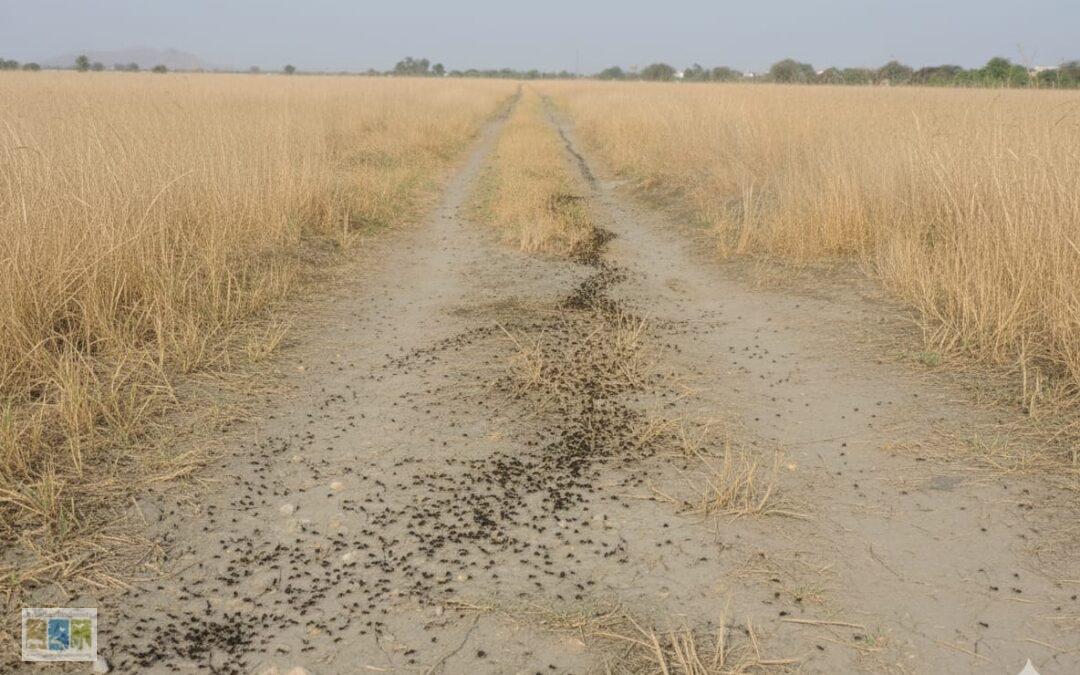
चित्र 3: सूखे मौसम में तालछापर अभयारण्य में एक अशाखित चींटी पथ पर गतिमान चींटियों का ट्राफिक 

चित्र 4: तालछापर अभयारण्य में एक शाखित चींटी पथ

वन्यजीवों को मानवीय या मानवों द्वारा भोजन दिया जावे या नहीं इस पर बहस होती रहती है। लोगों के पक्ष और विपक्ष में विचार सुनने – पढने को मिल जाते हैं। यदि कुछ देर इस बहस से अलग होकर देखें तो यह स्पष्ट महसूस होता है कि राजस्थानी लोग बडे- बडे वन्य प्राणी ही नहीं, चींटी जैसे छोटे प्राणी को भी संरक्षित -सुरक्षित करते रहे हैं और इतनी आधुनिकता आ जाने के बाद भी समाज के ये मूल्य आज भी अक्षुण हैं जो वन्यजीव संरक्षण की आस जगाये हुये हैं।

चित्र 5: तालछापर अभयारण्य में एक चींटी पथ कर क्लोज अप

सतीश कुमार शर्मा

राजस्थान वन सेवा (सेवा निवृत)

14-15, चकरिया आम्बा, रामपुरा चैराहा, झाडोल रोड़

पोस्ट – नाई, उदयपुर – 313031, राजस्थान, भारत

sksharma56@gmail.com

Flora of Ramgarh Crater, Baran, Rajasthan

Flora of Ramgarh Crater, Baran, Rajasthan

Flora Of Ramgarh Crater, Baran District, Rajasthan with Ethnobotanical Notes and Highlight on Related Issues

Dr. Satish Kumar Sharma

Assistant Conservator of Forests (Retd.)

14-15, Chakri Amba, Rampura Circle, Udaipur, Rajasthan

Anurag Bhatnagar

Dy. Conservator of Forests,

Wildlife Division, Kota, Rajasthan

Praveen Singh

Field Biologist,

Tiger Watch, Sawai Madhopur, Rajasthan

Dr. Dharmendra Khandal

Conservation Biologist 

Tiger Watch, Sawai Madhopur, Rajasthan

Ramgarh crater is a prominent meteorite impact crater, located on the Vindhyan Plateau near Ramgarh village in Baran District, southeastern Rajasthan. Geologically significant, the crater spans a forested region, now managed under the jurisdiction of the Kishanganj Forest Range, Baran Forest Division. Earlier, this area was managed as a territorial forest but now has been declared as a Conservation Reserve by the Government of Rajasthan through notification F/4(12)/Forest/2017, dated March 3, 2023. The details of forest blocks and area is given below in the Table 1.

Table 1: Area details of Ramgarh Conservation Reserve.

S. No.

Forest Block

Forest Land Category

Area (ha)

1

Ramgarh

Protected Forest

1440.50

2

Kunji Suwans

Protected Forest

2368.34

Total

3808.84

The area is important from history, culture, archeology, geology and forestry point of view. Historically, apex predators such as the tiger (Panthera tigris) and leopard (Panthera pardus) were once reported in the region, though they are now locally extinct.

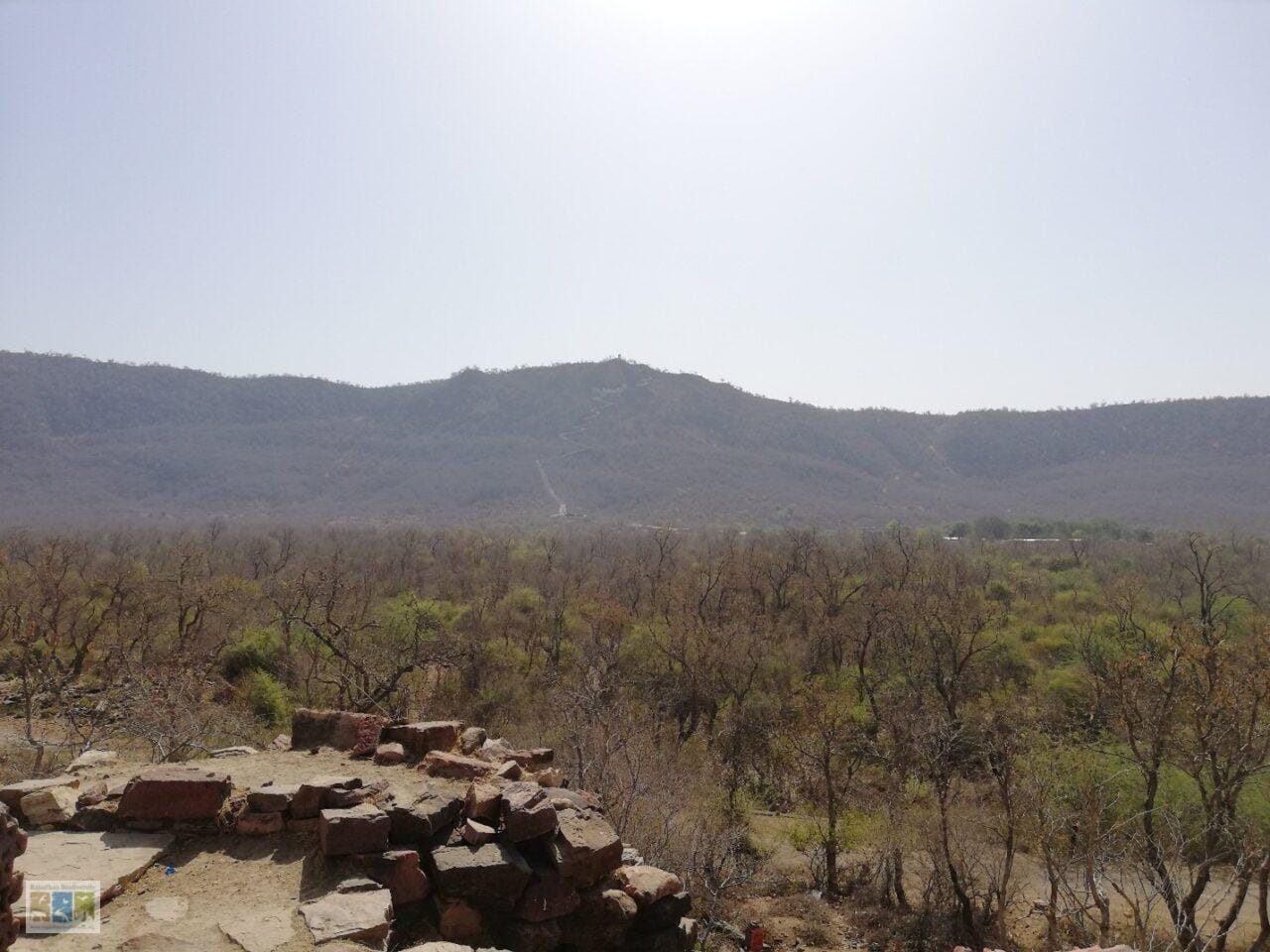
Figure 1: View of the Dhonk (Anogeissus pendula) forest on eastern inner hill slope and Butea monosperma dominated forest in foothills (photo taken from ruins of the Bhand Deora).

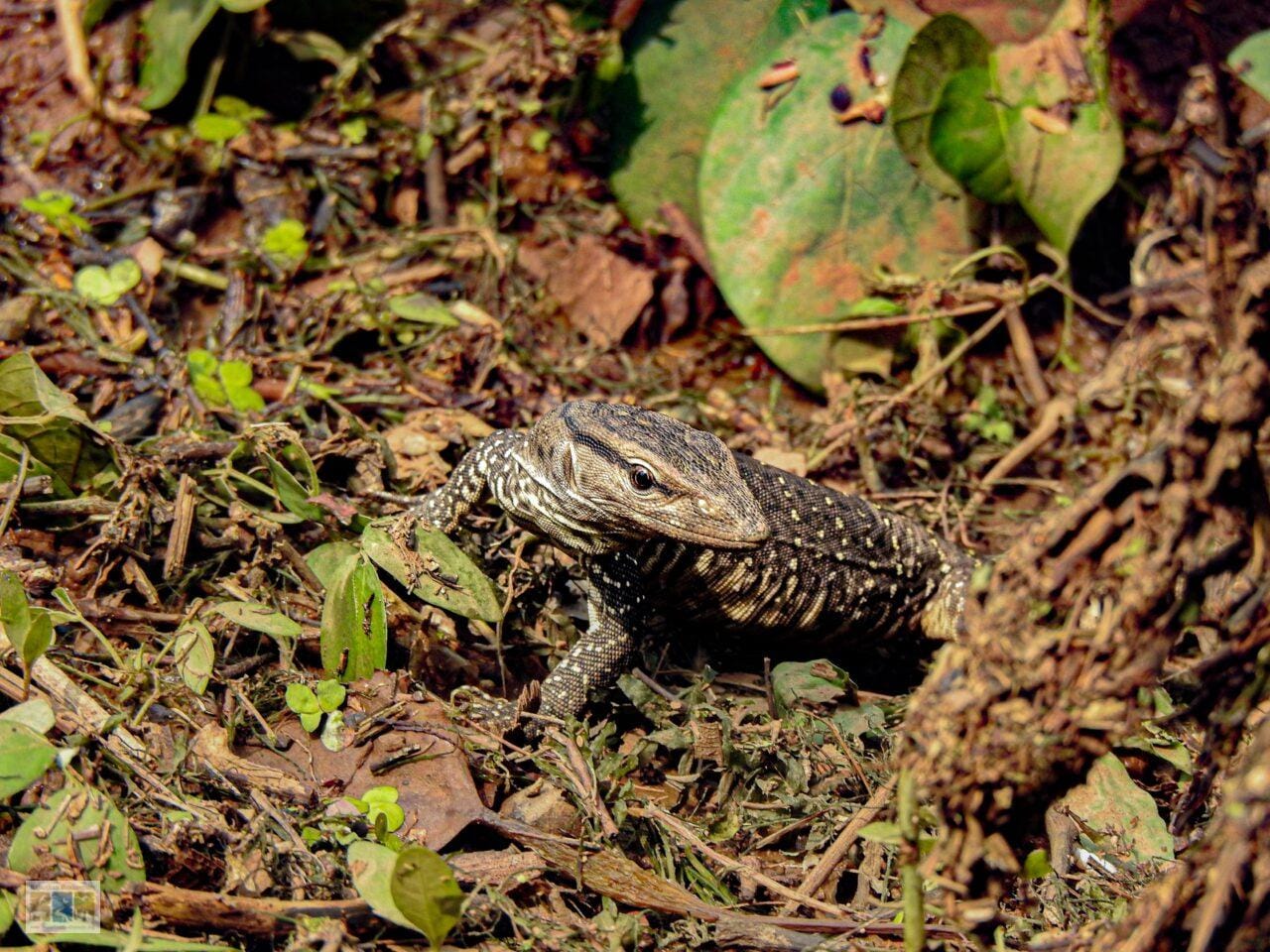
The present-day mammalian fauna includes the Northern Plains Langur (Semnopithecus entellus), Indian Wild Pig (Sus scrofa), Jungle Cat (Felis chaus), Common Palm Civet (Paradoxurus hermaphroditus), Small Indian Civet (Viverricula indica), Grey Mongoose (Herpestes edwardsii), Ruddy Mongoose (H. smithii), Striped Hyena (Hyaena hyaena), Golden Jackal (Canis aureus aureus), Indian Hare (Lepus nigricollis), Indian Crested Porcupine (Hystrix indica), House Shrew (Suncus murinus), Five-striped Squirrel (Funambulus pennantii), Indian Gerbil (Tatera indica), and Indian Monitor Lizard (Varanus bengalensis). The area also supports a rich assemblage of avifauna, reptiles, butterflies, and moths.

Figure 2: A juvenile Bengal Monitor Lizard (Varanus bengalensis) (photographed at the eastern bank of Pushkar Talab on July 15, 2025).

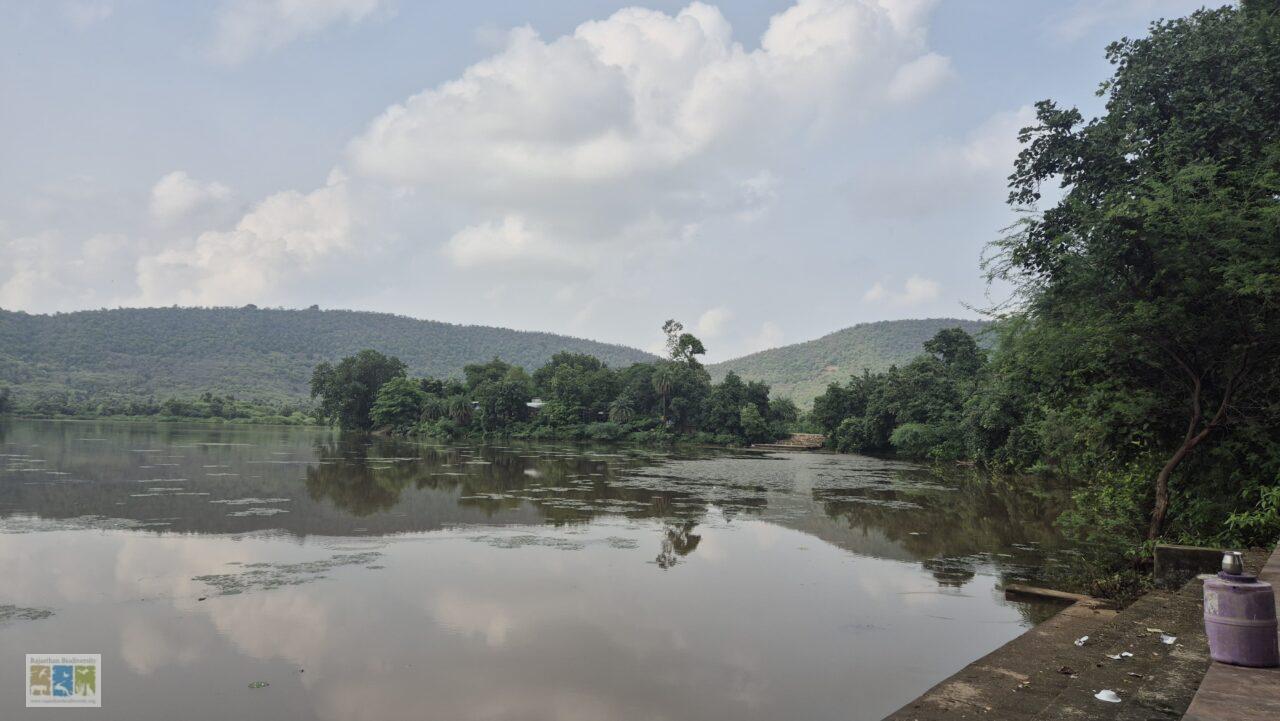
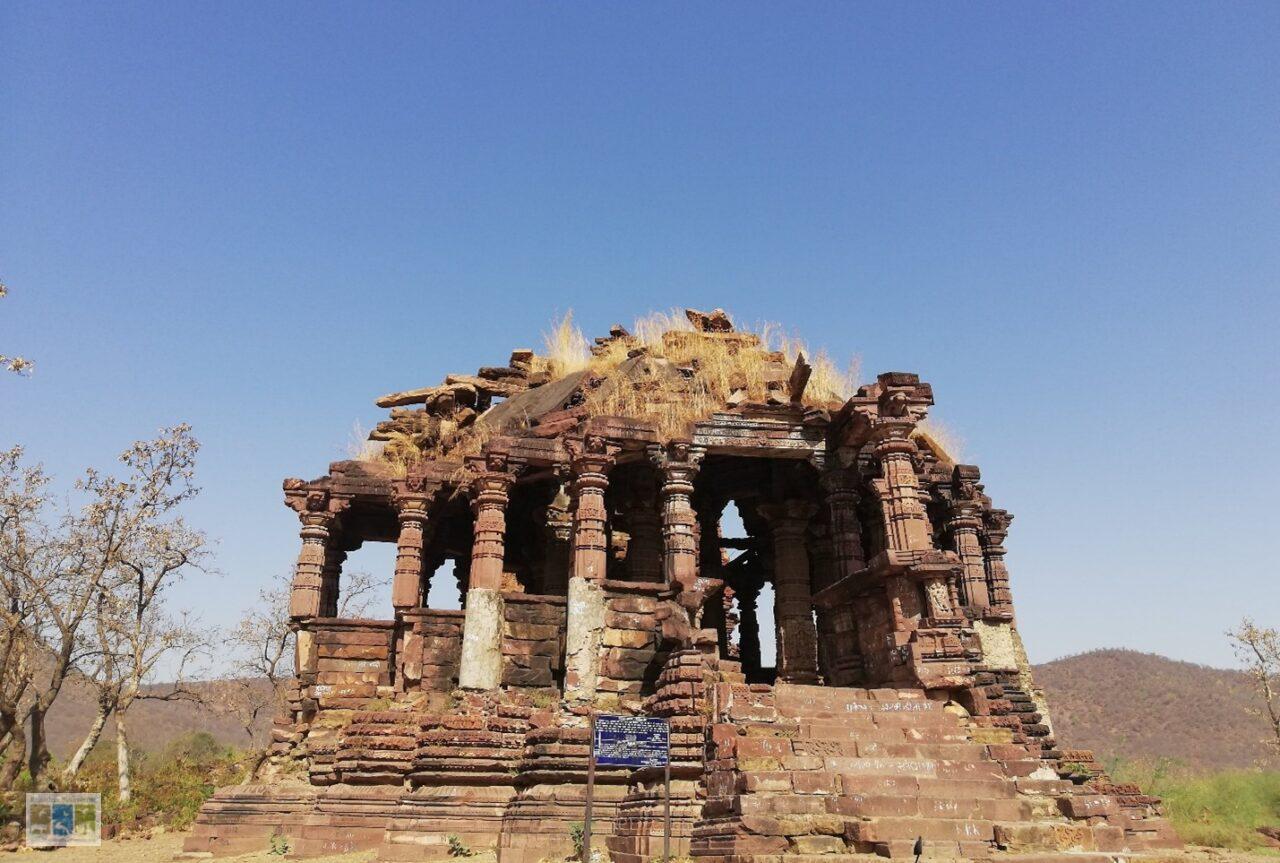
Ramgarh Crater is equally notable for its architectural and spiritual heritage. Noteworthy sites include the Ramgarh Fort, Bhand Deora temple complex, Harchand Ji Ki Chhatri, Annapurna and Krishnai Mata Ji Temples, Kachkaran Ki Baori, Brahm Chetan Kund, and Ramgarh Mata Temple. Several water bodies, such as Nola, Pushkar Talab (Pokhar), Bada Talab (Ramgarh Talab), and Mala Ki Talai, dot the crater landscape. According to oral histories, rulers of Kota State once frequented Mala Ki Talai for royal hunting expeditions (Dr. Madhusudan Vaishnaw, pers. comm., June 20, 2024).

Figure 3: View of Pushkar Talab as seen from the vantage point behind the ruins of the Bhand Deora Temple.

Significantly, Pushkar Talab within the Ramgarh Crater has been designated as one of the 44 ‘Notified Wetlands’ by the Government of Rajasthan, highlighting its ecological importance and hydrological value within the regional landscape.

The broader Hadoti region is relatively well-documented for its prehistoric rock art and unique geological specialties (Abbas, 2021; Nagar et al., 2017; Pandey et al., 2024). However, the Ramgarh Crater, despite its ecological and cultural significance, has received limited focused scientific attention (Aswathi et al., 2012). Floristic studies covering the broader Hadoti zone are available (Sharma, 2002), and a comprehensive overview of the vegetation across Kota, Bundi, Jhalawar, and Baran districts is provided in “The Flora of Rajasthan” (Sharma, 2022). However, a dedicated botanical inventory specifically focused on the Ramgarh Crater remains absent.

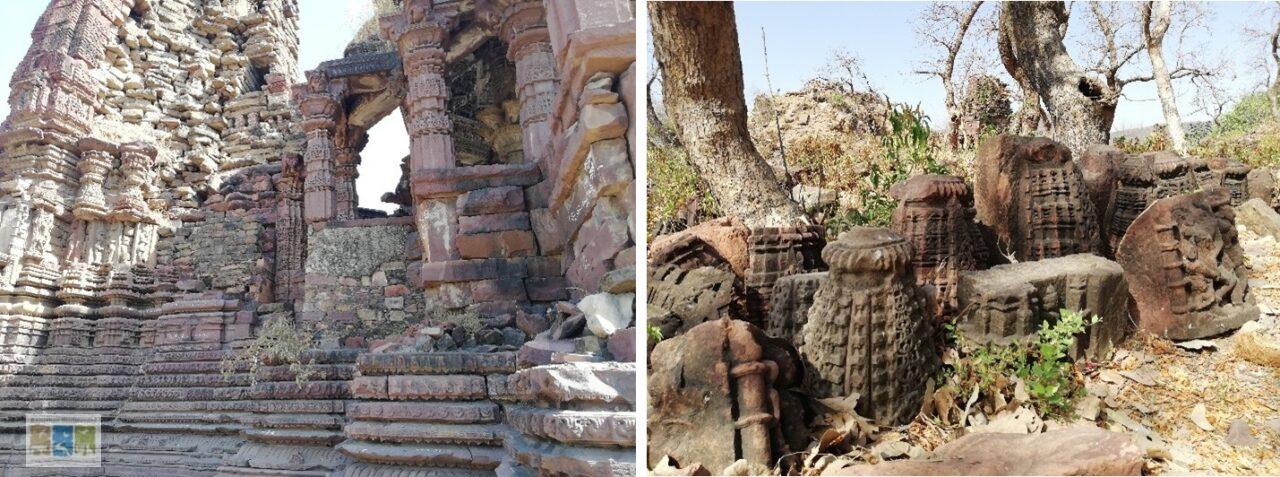
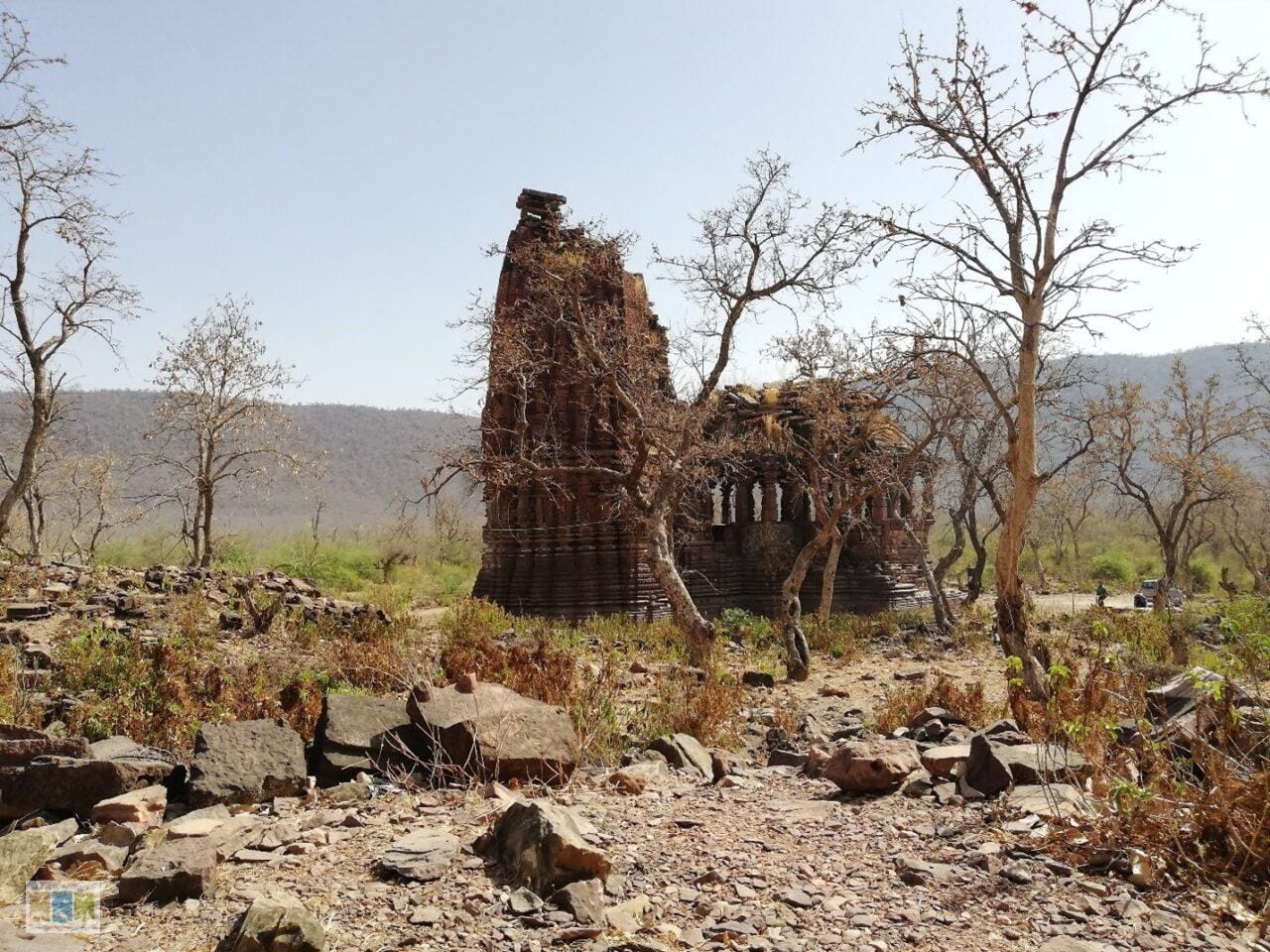
Figure 4: Ruins of the Bhand Deora Shiva Temple. The upper section shows the remains of the sanctum (Garbhagriha); the bottom left displays the outer wall of the sanctum, while the bottom right depicts scattered architectural remnants lying behind the Garbhagriha.

To address this gap, extensive floristic surveys were conducted between 2023 and July 2025. These investigations aimed to document the floral diversity of the crater across different seasons and provide foundational data for future ecological and conservation assessments.

Table 2: Dicot flora of Ramgarh crater

S.N.

Family

Latin name of plant

H*

Location

Status

Remark

1

Annonaceae

Annona squamosa

S

Near eastern bank of Pushkar Talab

Less common

Growing in patches

2

Monispermaceae

Cissampelos pareira


TS

Growing among bushes

Relatively common


Tinospora cordifolia

CS

Climbing on Prosopis juliflora

Relatively common

Hanging assimilatory roots are visible here and there


Cocculus hirsutus

SS

Growing among bushes

Relatively common


3

Nymphoeaceae

Nymphoea nauchali

H

Bada talab and Puskar Talab

Common


4

Nelumbonaceae

Nelumbo nucifera

H

Bada Talab

Common

Growing towards shore area

5

Papaveraceae

Argemone mexicana

H

Downstream of Bada Talab

Common


6

Capparaceae

Capparis decidua

S/ST

Dotted everywhere in open well drained pockets

Common


C. sepiaria


SS

Dotted everywhere

Common


Crateva odansonii

T

Foot hills

Rare


7

Flacourtiaceae

Flacourtia indica

S/ST

Dotted

Less common


8

Malvaceae

Abutilon indicum


US

Dotted


Less common


Hibiscus caesius


H

Dotted among bushes

Relatively common

Become visible after monsoon season when it flowers


H. micranthus

S

Dotted

Less common


9

Sterculiaceae

Sterculia urens

T

Upper reaches of the hills

Rare


10

Tiliaceae

Corchorus aestuans

H

Near Bada Talab

Less common


C. capsularis


H

Near Bada Talab

Less common


C tridens

H

Near Bada Talab

Less common


Grewia flavescens

S

Growing below the Anogeissus pendula crop

Less common


G. tenax

S

A bush of stony area

Less common


11

Oxalidaceae

Oxalis corniculate

H

Edges of both the water bodies

Abundant


12

Rutaceae

Aegle marmelos

T

Seen in valley area

Less common


13

Simaroubaceae

Ailanthus excelsa

T

On the way to Ramgarh Mata temple

Rare

Visible from distance owing to large sized leaves

14

Balanitaceae

Balanites aegyptiaca

T

Soil erosion prone compact areas

Common

A species which suckers profusely

15

Burseraceae

Boswellia serrata

T

Upper reaches

Less common


16

Meliaceae

Azadirachta indica


T

Growing among bushes

near Goshala

Less common


Melia azedarach

T

Near Goshala

Rare


17

Rhamnaceae

Ziziphus glabrata

T

Dotted

Less common


Z. mauritiana

T

Dotted

Less common


Z. nummularia

S

Dotted along the road

Less common


Z. xylophyrus


Dotted on hill slopes

Less common


18

Vitaceae

Cayratia carnosa

C

Climbing straight on the thick-stemmed trees like Madhuca indica

Common

A rainy season plant. Starts appearing before onset of monsoon. It perennates through its beaded or moniliform roots

19

Sapindaceae

Cardiospermum helicacabum

C

Among bushes

Common

A rainy season plant

20

Anacardiaceae

Lannea coromadelica


T

Present from upper reaches to foothills.

Common


Also seen growing on ancient buildings of temples and fort.


Mangifera indica

T

Eastern edge of Pushkar Talab and near Goshala

Grow in groves


21

Moringaceae

Moringa oleifera

T

Dotted

Less common


22

Fabaceae

Abrus precatorius

TH

Among bushes

Common


Alysicarpus vaginalis

H

Growing as ground flora

Common


Butea

monosperma

T

Foot hills

Abundant


Growing as 5/E5 Butea Forest in the area.


Clitoria ternatea

TH

Growing among the bushes near spillover of Bada Talab

Less common


Crotalaria medicagenia

H

Open areas

Common

A rainy season plant


Desmodinm triflorum

H

Creeping here and there on the ground floor

Common


Galactia tenuiflora

TH

Among bushes near Bhand Deora and eastern bank of Pushkar Talab

Relatively common


Indigofera linifolia

H

Quite visible during monsoon and post monsoon period

Common


I. linnaei

H

Quite visible during monsoon and post monsoon period

Common


Mucuna prurita

TH

Visible during monsoon and post monsoon period

Common


Rhynchosia minima

TH

Among bushes

Common


Tephrosia villosa

US

During rainy season becomes visible in open areas

Less common


T. purpurea

H

During rainy season becomes visible in open areas

Less common


23

Caesalpiniaceae

Bauhinia racemosa


T

On the way to Ramgarh Mata temple and near eastern bank of Pushkar Talabs

Rare


Cassia fistula

T

Near eastern bank of Pushkar Talabs

Rare


Cassia pumila


H

Open areas

Less common


Cassia sophera / Senna sophera


S

Near eastern Ghat of Pushkar Talab. Growing under the shade of Madhuca indica

Less common

Grow in patches


Cassia tora/ Senna tora


H

Grow in open area

Common


C. uniflora/ Senna uniflora

H

Open area

Common

This species is spreading at fasti pace


Tamarindus indica

T

Near eastern edge of Pushkar talab

Rare


24

Mimosaceae

Acacia catechu


T

Hill slopes

Common


A. leucophloea

T

Hill slopes (where degradation is prevailing) and foot hills. Visible along the sides of whole road net work

Common


A. nilotica indica


T

Foothills and road side ditches

Less common


Dichrostachys cinerea

S

Foothills and lower slopes

Less common


Mimosa himalayna


S

Road sides


Less common


Prosopis juliflora

T

Whole valley and foot hills are badly affected

Abundant


25

Combretaceae

Anogeissus pendula / Terminalia pendula

T

A dominant species luxuriantly growing on hill slopes and foot-hills.

Abundant

Making 5/E1 and 5/E/DS1 forest types on hill slopes and stoney foot hills

26

Myrtaceae

Syzygium cumini

T

Near Goshala

Rare


27

Onagraceae

Ludwigia adscendens

H

Bada Talab

Less common


28

Trapaceae

Trapa natans

H

Pushkar and Bada Talab waters

Common


29

Cucurbitaceae

Cucumis melo var. agrestis

C

On the walls of Bhand Deora

Less common

Rainy season plant


Diplocyclos palmatus


H

Among bushes

Common during rainy season

Rainy season plant


Luffa acutangula


C

Among bushes

Less common


Rainy season plant


L. echinata

C

Among bushes

Common

Rainy season plant


Momordica charantia

C

Among bushes

Common

Rainy season plant


M. dioica

C

Among bushes

Less common

A dioicous plant of rainy season. Start appearing before on set of monsoons through the underground tubers


Trichosanthes cucumeriana

C

Among bushes

Abundant

Rainy season plant

30

Cactaceae

Opuntia elatior

S

On the way to Bhand Deora

Less common

Havily naturalize in many pockets of Baran district

31

Aizoaceae

Trianthema portulacastrum

H

Quite visible during rainy season in open areas

Common


32

Rubiaceae

Borreria articularis

H

Visible during rainy season on forest floor

Common


B. pusila


H

Visible during rainy season on forest floor

Less common


Mitraguna parvifolia

T

Hill slopes and foot hills

Less common


33

Asteraceae

Ageratum conyzoides

H

Bordering area of Pushkar Talab and Bada Talab

Common


A haustonianum

H

Bordering area of Pushkar Talab and Bada Talab

Less common


Bidens biternata


H

Open areas and old buildings

Common


Caesulia axillaris

H

Bordering Bada Talab

Less common


Echinops eclinatus


H

Near Bhand Deora and at many places along the road

Less common


Eclipta prostorey

H

Bordering Bada Talab

Less common


Parthenium hysterophorus

H

Occupying open places

Abundant


Tridax procumbens


H

Open areas and road side

Abundant


Vernonia cineria

H

Open areas

Less common


Xanthium strumarium

H

Road sides

Common


34

Sapotaceae

Madhuca indica


T

Present near the eastern shore of Pushkar Talab


Growing singly and in groves


Manilkara hexandra

T

Few trees dotted in the area

Rare


35

Ebenaceae

Diospyros cordifolia


T

Dotted in foot hills

Less common


D. melanoxylon

T

Doted in foot hills & lower hill slopes

Less common


36

Apocynaceae

Carissa spinarum


S

Near Bhand Deora

Rare


Catharanthus pasillus


H

Grow in open areas during rainy season

Common


Wrightia tinctoria

T

Hill slopes

Rare


37

Asclepiadacace

Calotropis procera


S

Open area along the road

Less common


Oxystelma secamone

TH

Downstream of Bada Talab

Less common


Pergularia daemia

TU

Among bushes

Less common


Wattakaka volubilis

TS

Dotted

Rare

Climbing on trees


38

Priplocaceae

Cryptostegia grandiflora

SS

Down stream of the Bada Talab

Rare


Hemidesmus indicus

SU

Dotted here and there on the forest floor

Rare


39

Ehretiaceae

Cordia dichotoma

T

Near eastern edge of Pushkar Talab

Less common


Ehretia laevis

T

Dotted

Less common


40

Convolvulaceae

Evolvulus alsinoides

H

Open areas

Less common


E. nummularius


H

Bordering both water bodies

common


Ipomoea carnea ssp. fistulosa

S

Eastern shore of Bada Talab


Common


I. dichora


TH

Dotted among the bushes during rainy season

Common


I. nil

TH

Can be seen among the bushes during rainy season

Common


I. obscura

TH

Grow among bushes during rainy season


Common


I. pes-tigridis

TH

Grow among bushes during rainy season

Common


Merramia emarginata

H

Bordering shore zone of both the water bodies

Common


Rivea hypoaraterifornis

CH

Growing among the bushes

Less common


41

Cascutaceae

Cuscuta chinensis


H

A parasite on herbs and shrubs

Less common


C. reflexa

H

Near Bhand Deora

Less common


42

Solanaceae

Datur innoxia


S

Near Bhand Deora

Less common


D. stramonium


H

Near Bhand Deora

Rare


Solanum xanthocarpum

H

Along the road leading to Ramgarh Mata temple

Less common


43

Scrophulariaceae

Bacopa monnieri


H

Edges of both the ponds

Common


Lindenbergia muraria

H

Fort wall


Less common


Verbascum chinense

H

Walls of Bhand deora

Less common


44

Bignoniaceae

Oroxylum indicum

T

Seen 2 trees and their many suckers in Shobhagpura village towards southern outskirts of the crater

Rare (?)

(This species is included here on the authority of the local villagers)

Villagers were of opinion that the seeds were brought from crater area and sown in the agriculture field. Locally the species is called Muwasa

45

Pedaliaceae

Sesamum mulayanum

H

Can be seen during rains in open areas

Common


46

Martyniaceae

Martynia annua

H

Grow in patches in open area

Less common

Being grazing hardy plan remain undamaged and all the fruits drop below the mother plant after maturation. All fallen seeds germinate during next rain making a clump


47

Acanthaceae

Aahatoda zeylanica


S

Making extensive thickets in foothill zone


Abundant


A grazing hardy species occupying most of foot hill area


Barleria prionits


US

Seen along the road sides

Less common


Elytraria aculis


H

Common under Capparis sepiaria and Anogeissus pendula

Very common


Indoneesiella echioides

H

Seen on the walls of Bhand devra

Less Common

Grow on the walls as ruderal species. Also grow in rocky areas. Remains visible only during monsoon season


Justicia procumbens

H

Quite visible during rains

Common


Peristrophe paniculata

H

Quite visible during rains

Abundant


48

Verbenaceae

Lantana camara


S

Invasive in the foot hill zone

Common


Phyla nodiflora

H

Banks of both the water bodies

Less common


49

Lamiaceae

Leucos aspera

H

Open area during rainy season

Less common


50

Nyctaginaceae

Boerhavia diffusa

H

Open grassy patches

Common


51

Amaranthaceae

Achyranthes aspera

H

Affected whole foothills. Also growing as ruderal species

Abundant


Digera muricata


H

Grassy patches during rains

Less common


Pupalia lappacea

H

Grow among bushes during rains

Less common


52

Chenopodiaceae

Chenopodium murale

H

Grow in moist areas during winter

Less common


53

Polygonaceae

Polygonum glabrum

H

Wet edges of both the ponds

Less common


P. plebeium


H

Drying edges of both the ponds

Less common


Rumex dentatus

H

Grow in moist areas during the winter

Common


54

Euphorbiaceae

Baliospermum montanum


H

Below the Mahuwa and mango trees

Less common


Chrozophora rottleri

H

Drying bed of the ponds

Less common


Euphorbia hirta

H

Dotted

Common


E. heyneana

H

Dotted

Common


Jatropha gossypifolia

S

near Goshala

Less common


Kirganelia reticulata


SS

Moist-shady places at periphery of both the ponds

Less common


Phyllanthus fraternus


H

seen grown on Bhand Deora during rains

Less common


Ricinus communis


ST

Seen near eastern shore of Puskar Talab

Rare


Securinega leucopyrus

S

Foot hills


Less common


55

Ulmaceae

Holoptelea integrifolia

T

Dotted

Less common


56

Moraceae

Ficus benghalensis


T

Eastern shore of Pushkar Talab. Seen growing as epiphyte also

Less common


F. hispida


S

Growing in shady wet localities

less common


F. racemosa


T

growing near eastern shore of Pushkar Talab

rare


F. religiosa


T

Dotted. Seen growing as epiphyte also

less common


F. virens


T

seen growing as epiphyte

rare


Table 3: Monocot flora of Ramgarh crater

S.no.

Family

Latin name of plant

H*

Location

Status

Remark

1

Hydrocharitaceae

Hydrilla verticillate

H

Pushkar Talab & Bada Talab

Common


2

Dioscoreaceae

Dioscorea bulbifera

TH

Dotted. Visible during rainy season.

Rare


3

Liliaceae

Asparagus racemosus

SU

Dotted among bushes

Common


Urginea indica

H

Dotted in well drained areas

Less common


4

Commelianceae

Commehina benghalensis

H

Common during rainy season on the ground and buildings

Common


C. forskalaei

H

Common during rainy season

Common


5

Arecaceae

Phoenix sylvestris

T

Eastern shore of Pushkar Talab

Less common


6

Lemnaceae

Lemna perpusilla

H

Pushar Talab & Bada Talab

Less common


Spirodela poiyrhiza

H

Pushar Talab & Bada Talab

Common


Wolffia microscopica

H

Pushar Talab & Bada Talab

Common


7

Potamogetonaceae

Potamogeton pectinatus

H

Pushar Talab & Bada Talab

Less common


8

Crperaceae

Cyperus triceps

H

Growing with grasses


Less common


Fimbristylis falcata

H

Edges of both the ponds

Less common


9

Poaceae

Apluda mutica


H

Among bushes and below the trees

Abundant


Aristida adscensionis


H

Open compact soil zone

Common


Arthraxon lanceolatus


H

Under Mahuwa trees near eastern edge of Pushkar Talab

Less common


A. lancifolius


H

Under Mahuwa trees near eastern edge of Pushkar Talab under Mahuwa trees

Less common


Bothriochloa pertusa


H

Growing among bushes

Less common


Brachiaria ramosa

H

Open areas

Common


B. raptans

H

Open areas

Common


Choris dolichostachya


H

On the walls of Bhand Deora and stony substratum below the Dhok trees

Rare


C. virgata


H

Open areas and among bushes

Less common


Chrysopogon fulvas

H

Stony-rocky terrain of hill slopes

Less common


Cynodon dactylon

H

Moist open areas and banks of streams towards foothills

Abundant


Dactylocteninum aegyptium

H

Open area

Abundant


Dendrocalamus strictus

S

Upper reaches of southern inner slope

Less common

Growing making small patches (5/E9 Dry Bamboo brakes)

Dicanthium annulatum

H

Growing among the bushes

Less common


Echinachloa colona

H

Edges of both the water bodies

Less common


Eragrostiella bifaria

H

Open stony patches

Less common


E. japonica

H

Open stony patches

Less common


Heteropogon contortus

H

Areas having better soil thickness

Less common


Melanocenchris jacquemonti

H

Compact open area suffering from erosion

Less common


Oplismenus burmannii

H

Shady places under Mahuwa and Mango groves

Common


Oropetium thomaeum

H

Rocky areas covered by thin layer of the soil

Less common


Oryza rufipogon

H

Ditches along the road leading to crater

Less common


Pennisetum orientale

H

Among busses of foothills

Less common


Phalaris minor

H

Wet patches

Less common

A winter season grass

Sehima nervosum

H

Among the bushes

Less common


Setaria verticillata

H

Shady places under Mahuwa and Mango groves

Less common


Sporobolus diander

H

Compact open patches

Less common


S. ioclados

H

Compact open patches

Less common


Tetrapogon tenelus

H

Degraded compact patches

Less common


Vetiveria zizanioides

H

Low lying areas

Less common


* Habit

Tree: T= Tree (Tall, medium sized), ST= Small tree/ Under tree

Shrub: S= Shrub, TS = Twining shrub, CS= Climbing shrub, SS= Scandent shrub/ Straggling shrub, TU= Twining undershrub, SU=Scandent undershrub, US= Undershrub,

Herb: H= Herb, TH= Twining herb, C= Climber

Figure 5: View of the Shiva temple as seen from the surrounding ruins at Ramgarh Crater.

Summary:

A total of 197 vascular plant species belonging to 65 families and 156 genera were documented during floristic surveys conducted between 2023 and July 2025. summary of the various taxa recorded during the present study is depicted below:

Table 4: Summary of Taxa

S. No.

Class

No. of Families

No. of Genera

No. of Species

1

Dicotyledons

56

119

154

2

Monocotyledons

9

37

43


Total

65

156

197

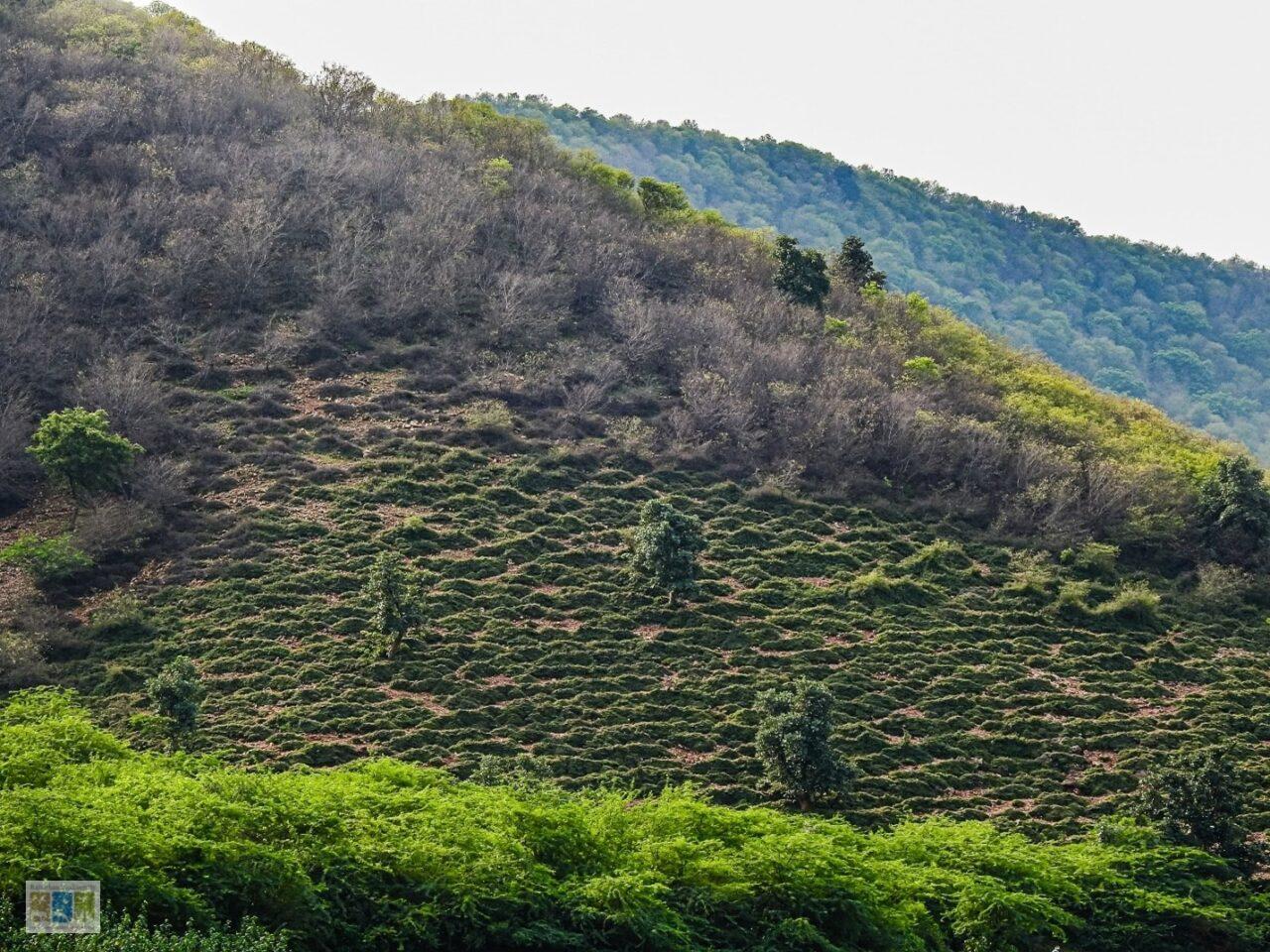
Figure 6: Variations in Dhonk (Anogeissus pendula) forest growth forms observed at Ramgarh Crater.

Main Forest Types:

Many forest types are confined to Ramgarh crater. Tropical dry deciduous forests are prevailing in the area. The biggest forest type of the area is 5/E1Anogeissus forest which is present on inner and outer slopes of the crater ring. Due to heavy anthropogenic pressure, degradation is seen on the slopes, especially towards outer slopes and 5/E1 – forest has converted into 5/E/DS1Anogeissus scrub at places. The 5/E5– Butea forests is present in the ‘bowl’ of the hilly ring. Once 5/E9 – Dry Bamboo brakes were prominent in the area but due to anthropogenic pressure, bamboo forest is under pressure. Still a beautiful patch of bamboo forest is present towards the upper reaches of inner face (northern aspect) in southern direction between Krishnayan Mata Ji and Brhamchaten Kund. This is not a pure patch of Dendrocalamius strictus but it is growing inter mixed with Anogeissus pendula (Terminalia pendula). Northern aspect remains more moist than southern aspect. Due to this moisture difference, northern aspect of southern part of the ring is supporting luxuriant bamboo growth.

Various storeyfication (stratification) patterns are observed across different forest types and localities within this region. The vertical structure of the forest near the eastern shore of Pushkar Talab, particularly near the Pucca Ghat area, is characterized by the following stratification pattern:

Table 5: Storeyfication in Butea dominated foothill forest.

StoreySpecies composition
I- Top storey treesMadhuca indica, Mengifera indica, Phoenix sylvestries, Butea monosperma, Tamarindus indica
II- Under storey treesDiospyros cordifolia, Cassia fistula, Prosopis juliflora, Ehretia laevis, Flacourtia indica
IIa- BambooAbsent
III- ShrubsCapparis sepiaria, Cassia sophera, Annona squamosa, Lantana camra, Dichrostachys cineria, Mimosa himalayana, Carissa spinarum, Adhatoda zeylanica, Kirganelia reticulata, Ficus hispida
IVa- HerbsSida acuta, Oxalis corniculate, Alysicarpus vaginalis, Desmodium triflorum, Cassia tora, C. uniflora, Tridax procumbens, Achyranthes aspera, Baliospermum montana,
IVb – GrassesApluda mutica, Arthraxon lanceolatus, A. lancifolius, Oplismenus burmannii, Seteria verticillate,
V – ClimbersCocculus hirsutus, Cayratia carnosa, Cardiospermum helicacabum, Abrus precatorius, Galactia tenuiflora, Rhynchosia minima, Diplocyclos palmatus, Luffa acutangula, Dioscorea bulbifera

Density, species diversity, and vertical stratification are more pronounced in the lower zones, where deeper soils and better moisture availability create favourable conditions for vegetation growth, as indicated in Table 5. In contrast, the upper zones, characterized by shallower soils and limited moisture, exhibit comparatively lower species diversity and simpler forest structure. This pattern is particularly evident in the bamboo-dominated forest located in the upper hill slopes, as detailed in Table 6.

Table 6: Vegetation stratification in Bamboo forests on the upper hill reaches

Storey

Species composition

I & II Storey trees

Anogeissus pandula, Lannea coromandelica, Acacia catechu, Wrightia tinctoria, Ehretia laevis,

IIa- Bamboo

Dendrocalamus strictus

III- Shrubs

Grewia flavesens, Ziziphus xylopyrus, Securinega leucopirus,

IVa- Herbs

Hibiscus caesius, Elatraria acaulis, Indoneesiella echioides, Achyranthes aspera

IVb – Grasses

Apluda mutica, Chloris dolichostachya, Chrysopogon fulvus, Eragrostiella biferia, Heteropogon contortus

V – Climber

Asparagus racemohus

Ethnobotanical notes:

The Ramgarh Crater region historically supported a diverse range of non-timber forest products (NTFPs). Sahariya, the local tribals were more dependent on this resource for their livelihood. In earlier times, the Butea monosperma-dominated forests were a major source of foliage used to make biodegradable leaf plates (pattals) and bowls (daunas). With the advent of disposable plastic and paper alternatives, this traditional practice has significantly declined. Butea flowers were also collected seasonally for their cultural and medicinal significance.

Even today, Cassia tora seeds and tuberous roots of Asparagus racemosus are harvested during the post-monsoon season by Sahariyas and other local (landless) residents and sold in regional markets, particularly in Shyopur Mandi (Rajasthan-Madhya Pradesh border), where demand for NTFPs remains high.

Bamboo was an important natural product of forest which was harvested by Sahariyas to prepare various handicraft items, especially to make different types of baskets. People say, that during ancient time, thick bamboo growth was present in the foothill but now this forest has disappeared in a large chunk of land and area has been occupied by Prosopis juliflora. Local “Basseda” Community is well known in basketry activities. Before the ‘era of Liquified Petroleum Gas’, fuel wood for cooking was collected by local tribals and other community from the crater forests.

Once, this area was well known for its Acacia catechu forests. Khirwa community of Hathiyadeh and Karvary villages used to extract Katha (Cutch) from Khair trees and used to trade in Madhya Pradesh. This practice, once economically significant, is now extinct.

Another traditional use involved the harvesting of Adhatoda zeylanica stems and branches, which were dried and used under terracotta roof tiles (khaprel) in rural Kuccha homes. This practice unintentionally regulated the growth of this hardy shrub. As modern roofing materials have replaced clay tiles, unchecked growth of Adhatoda has been observed in many patches.

Oral histories also report that several ‘Panwadi’ (betel leaf cultivation units) were historically active near the ponds within the crater. However, betel leaf production has now ceased entirely.

Acknowledgements:

We thank Sh. R.K. Khairwa, IFS, Chief Conservator of Forests; Sh. Aporva Shrivastava, IFS, Dy. CF.; Sh. Anil Yadav, RFS, Dy. CF.; Sh. Deepak Kumar Gautam, Forest Range Officer and Sh. Deepak Sharma, Forest Range Officer for assistance and support during the course of study.

References:

  1. Abbas, R. (2021): Exploring the rock art of Chambal basin. IIRNS publication LLP.
  2. Aswathi, J., R.C. Saranya, J. Shania, D. Padamkaur & K.S. Sajin Kumar (2012): Impact origin for Ramgarh structure, India. New. insights from Petrography, Geochemistry and Geochronology. AGU Fall meeting held in Chicago IL, 12-16 December.
  3. Nagar, P., Tanrkar, P. & V. Agrawal, (2017) : Geology and sedimentary structure is in lower Bhander sandstone of Bijoliya area Rajasthan. Indian J. of Applied Research 7 (9) : 517-520.
  4. Pandey, L., V. Agrawal, G. Singhvi & H. Sen (2024). Prehistoric rock paintings- Hadoti plateau (Rajasthan). Himanshu publications Udaipur & New Delhi. Pp. 1-117
  5. Sharma N. (2002): The flora of Rajasthan. Aavishkar Publishers, Distributors, Jaipur. Pp. 1-280.
  6. Crawford, A.  (1972). India’s Ramgarh structure: A meteorite impact crater? Nature, 237, 96.
  7. Master, S., & Pandit, M.  (1999). New evidence for an impact origin of the Ramgarh structure, Rajasthan, India. Meteoritics & Planetary Science, 34(4), 79.
  8. Kenkmann, T., Reimold, W. , & Misra, S. (2020). India’s confirmed impact structures: Origin and importance. Meteoritics & Planetary Science, 55(7), 1459–1476.
  9. Ray, D., et al. (2020). Petrographic and geochemical evidence for the impact origin of Ramgarh Crater, India (zircon U–Pb geochronology, shock features). ScienceDirect / Journal, ~2022.
  10. Pandit, M. , & Master, S. (2021). The Ramgarh terrestrial impact structure: a geo‑heritage candidate. Geoheritage, 13:81.
  11. Misra, S., Srivastava, P. , Ghosh, S., Das, A. K., & Ray, D. (2023). An alternative view on size and impact history of Ramgarh Crater, India: evidence from high‑resolution remote sensing and gravity data. Journal of Earth System Science, 132(78).
  12. Government of Rajasthan. (2024, March 19). Notification declaring Ramgarh Crater as a National Geo‑Heritage Site and Conservation Reserve. Environment Department Document.
  13. Outlook Traveller (2025). Ramgarh Crater in Rajasthan: biodiversity, wetlands, arsenic saline‑alkaline lakes, tourism potential.
  14. Sharma, B.  et al. (1996). Flora of India, Series 4: Fabaceae. Botanical Survey of India. (contextual regional floristic baseline)
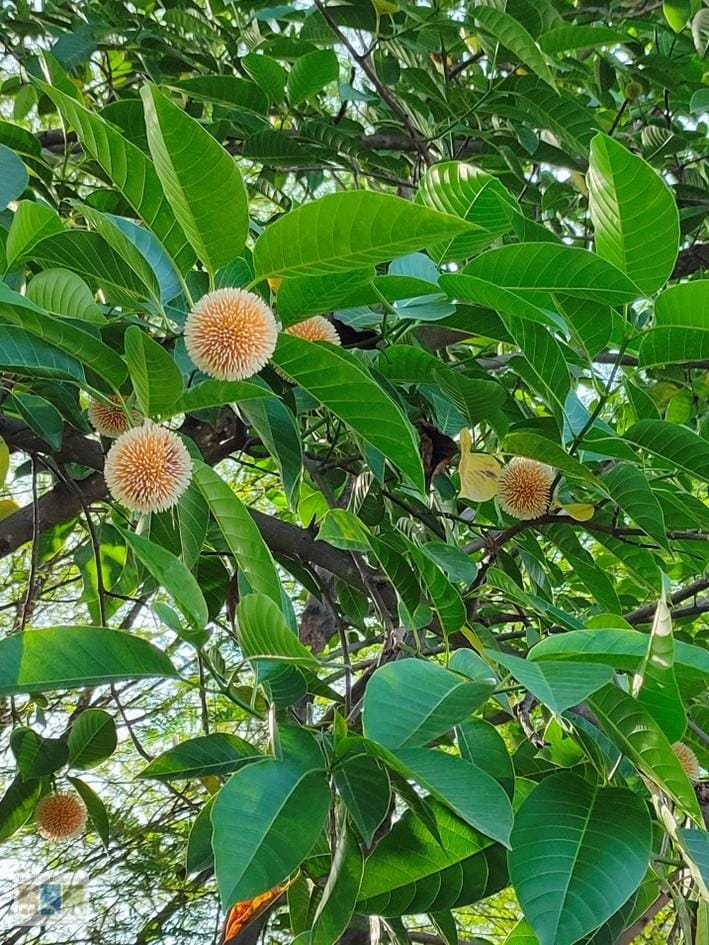
  15. Jain, S.  (1991). Dictionary of Indian Folk Medicine and Ethnobotany. Deep Publications. (ethnobotanical context)
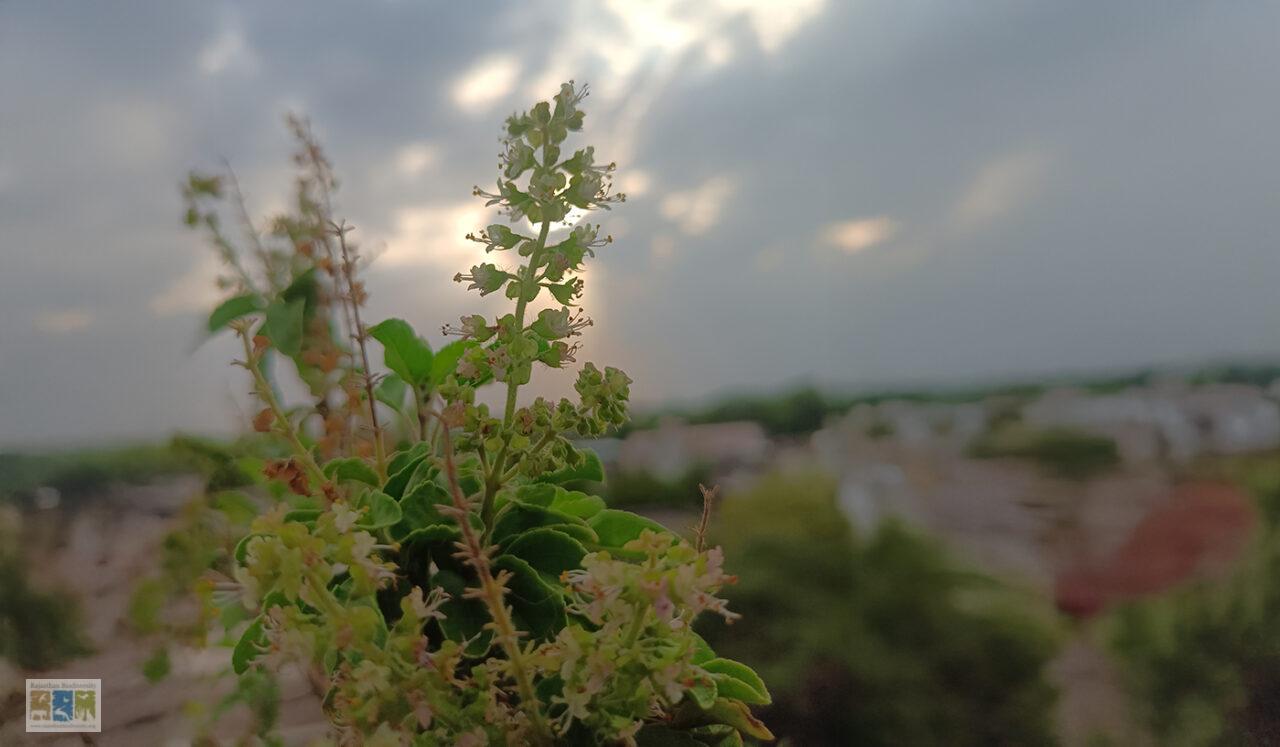
  16. Beniwal, V., & Bhandari, M.  (1986). Ethnobotany of the Sahariyas in Rajasthan. Ethnobotany, 6, 57–67. (local tribal plant usage)
राजस्थान की ख़ुशबू

राजस्थान की ख़ुशबू

गंध सिर्फ़ गंध नहीं, स्मृति, पहचान और भविष्य की चेतावनी भी होती है। अगर हम इन सूक्ष्म संकेतों को जान लें, तो सिर्फ़ हवा नहीं, हमारी ज़िंदगी भी फिर से महक सकती है।

तड़के चार बजे — जब गर्मी से झुलसते राजस्थान में भी हवा हल्की ठंडी लगती है — कच्ची गली में पारिजात (Nyctanthes arbor-tristis) के फूल ज़मीन पर गिरे हुए आमतौर पर दिख ही जाते थे। दूधिया पंखुड़ियों के बीच नारंगी नली वाले फूल ऐसे बिछ जाते थे मानो ज़मीन ने खुद चंदन तिलक लगा लिया हो। दादी का धीमी आवाज़ में कहना, “जब तक यह खुशबू बचेगी, हमारी सुबहें बचेगी।” आज ये शब्द कहाँ सुनने को मिलते है। आज वही गली पक्के टाइलों से ढंक चुकी है, ड्रेनेज पाइप्स की गंध ने पारिजात के माधुर्य को दबा दिया है। जाने‐पहचाने फूलों का यह ‘सुबह का पहला नमस्कार’ कब फीका पड़ गया, किसी ने ध्यान ही नहीं दिया। ठीक यही कहानी, राजस्थान के कई खुशबू वाले जंगली पौधों के साथ चल रही है — सुगंध पहले ग़ायब होती है, संकट का नोटिस बाद में आता है।

रेगिस्तान की खुशबुओं का भूगोल

मरु-प्रदेश की भट्टी-सी गर्मी, तेज़ धूप और कम आद्र्रता ने यहाँ के क़ुदरती वृक्षों एवं झाड़ियों में एक अनोखी विशेषता भर दी है— ये पौधे अपने पत्तों और लकड़ियों में सुगंधित तेल (टर्पीन / Terpene जैसा खुशबूदार रस) जमा कर लेते हैं। दोपहर की तेज़ गरमी में यही तेल धीरे-धीरे उड़कर ऐसा “सूखा इत्र” बनाते हैं, जो कभी चरवाहों, गृहिणियों, साधुओं और किले-कस्बों की हवा में घुला रहता था।

#क्षेत्रसुगंध के स्रोतखुशबू का प्रकार
1अरावली की पहाड़ियाँ (अलवर से डूंगरपुर तक)गुग्गल और सलाई के झुरमुटमंदिर की धूप जैसी मीठी-मसालेदार खुशबू
2थार के चलते-फिरते टीले (जैसलमेर, बाड़मेर)खावी घास और गांधेलनींबू-अदरक की तरोताज़ी, फिर सूखे भूसे के हल्के धुएं की गंध
3चंबल-और लूणी के कन्दरा क्षेत्रझाऊ और केर की झाड़ियाँतीखी कपूर-नीम जैसी गंध जो काफी दूर तक आती है; बरसात के बाद हवा में ताजगी का अहसास
4केवलादेव, भरतपुर, से धौलपुर, तक का क्षेत्रखस-खस की गहरी जड़ेंठंडी मिट्टी-सी भीनी खुशबू, रात की हवा में घुली सुगंध
5सवाई माधोपुर (रणथंभौर के आसपास)नदी-किनारे उगती खस-खस व पहाड़ी ढलानों की खावी घासभीनी भीनी ठंडक एवं नींबू-अदरक की ताज़गी; जंगल सफ़ारी के वक्त अक्सर महसूस होती है
6माउंट आबू का पहाड़ी ठंडा ऊपरी क्षेत्रफुलेड़ घास और जंगली पहाड़ी जड़ी-बूटियाँपुदीने जैसी ठंडी-मीठी सुगंध जो की शाम की नमी में और उभरती है
7अरावली की दक्षिणी पहाड़ियाँ (उदयपुर, डूंगरपुर)पामा रोसा घास (गंधबेल या जिन्जर ग्रास)गुलाब-सी मीठी गंध; परफ्यूम कंपनियों का छिपा ख़ज़ाना

खुशबूओं की यह भू-रसायनशाला अब तापमान वृद्धि, भूमिगत जल दोहन, खनन तथा चारागाह के दबावों के तले सिकुड़ रही है। अगर ध्यान न दिया गया तो आने वाली हवा सिर्फ़ गरम और सूखी रहेगी, उसमें खुशबू का कोई झोंका नहीं बचेगा।

प्राकृतिक गंध के स्रोत

  1. गुग्गल (Commiphora wightii) – अरावली क्षेत्र में

नीले आसमान तले भीषण गर्मी झेलता यह झाड़-नुमा पौधा, हल्के चाकलेटी तने पर जब हल्की कट लगती है, तो आँसू-सा पीला राल रिसता है। यही “गुग्गल धूप” मंदिरों-घरों में धार्मिक कार्यों, पूजन के समय जलाया जाता है। अनियंत्रित दोहन ने 1950 से आज तक इसके प्राकृतिक भंडार को 80 % तक घटा दिया है। इसके बीज अंकुरण की क्षमता काफी कम, लगभग 10 प्रतिशत ही है। गुजरात-राजस्थान सीमा के कुछ क्षेत्रों में सामुदायिक “हल्की खरोंच-पद्धति” ने इसको होने वाले नुकसान को आधा कर दिया है पर फिर भी यह IUCN की ‘क्रिटिकली एंडेंजर्ड’ सूची में अब भी शामिल है।

क्या आप पहचानते हैं इस गुग्गल को? इसकी मीठी सुगंध कभी रेगिस्तान की हवा में घुली रहती थी। (चित्र: सोनू)

  1. खावी (Cymbopogon jwarancusa) पश्चिम राजस्थान के थार क्षेत्र में

चलते-चलते बारीक रेत पर पाँव पटकें तो हवा में एक तीखी मीठी, नींबू‐अदरक की ताजगी वाली गंध महसूस होती है; इसका कारण खावी घास है। एक समय था जब चरवाहे इस घास से बुखार के इलाज के लिए पारंपरिक देसी लेप बनाते थे, तो महिलाएँ इसे कूट कर अनाज भंडार में कीटों की रोकथाम के लिए रखती थीं। इन दिनों चराई के दबाव और इत्र उद्योग हेतु अति संग्रहण ने इस घास को खात्मे की ओर धकेल दिया है। फलस्वरूप बीज-बैकों की रिकव्हरी घट कर एक-तिहाई रह गई।

  1. गांधेल (Iseilema anthephoroides)

मॉनसून की पहली फुहार पड़ते ही सूखी धरती पर जो ‘भीगी-मिट्टी और कच्ची घास’ की एक विशिष्ट मिलीजुली खुशबू आती है, उसका जनक यही वार्षिक घास है। गाँव के किसान इस खुशबू से ही समझ जाते हैं कि अब बोआई (बुआई) का समय आ गया है। पहले, रबी और खरीफ की फसलों के बीच जो ज़मीन कुछ समय खाली रहती थी, अब वह लगातार काम में ली जाने लगी है। आजकल मॉनसून से पहले ही ट्रैक्टर से जुताई हो जाने की वजह से गांधेल को पनपने का समय ही नहीं मिलता।

मॉनसून की पहली फुहार पड़ते ही सूखी धरती पर ‘भीगी-मिट्टी और कच्ची घास’ की विशिष्ट खुशबू आती है, उसका जनक यही वार्षिक घास गांधेल है। (चित्र: सोनू)

  1. झाहू (Artemisia scoparia)

इस घास के गेहुँआ-हरे पत्तों को हाथ से मसलते ही कपूर या नीम जैसी तेज़, झंझनाती खुशबू निकलती है। गाँव के पुराने वैद्य इसे सुखाकर धुआँ करने के लिए रखते थे — जिससे साँप-बिच्छू भागते थे, बुखार कम होता था, और कभी-कभी इसे मसालेदार चाय में भी डाला जाता था। लेकिन पिछले 20 सालों में विलायती बबूल (Prosopis juliflora) ने झाहू की ज़मीन पर कब्ज़ा कर लिया है। अब झाहू के उगने और बढ़ने हेतु जरूरी धूप और पानी की जरूरत के लिए संघर्ष करना पड़ रहा है जिसमें यह घास धीरे-धीरे पिछड़ता जा रहा है।

 तेज कपूर-नीम जैसी खुशबू वाली झाहू (Artemisia scoparia) घास आज विलायती बबूल से संघर्ष कर रही है। (चित्र: सोनू)

  1. खस-खस (Chrysopogon zizanoides)

नदी किनारे उगने वाली खस की घास अपनी गहरी जड़ों से मिट्टी को बाँधे रखती है, और इन्हीं जड़ों से मिलने वाला तेल महँगे इत्र में इस्तेमाल होता है। पहले गर्मियों में जब खस की चटाई पर पानी छिड़का जाता था, तो कमरा ठंडा हो जाता था — जैसे कोई प्राकृतिक एयर-कूलर हो। लेकिन अब रेत की खुदाई और खस की जड़ों की लूट से इसके घने झुरमुट खत्म होते जा रहे हैं।

 नदी किनारे उगने वाली खस-खस (Chrysopogon zizanioides) की घास अपनी गहरी जड़ों से मिट्टी को बाँधे रखती है। इन्हीं जड़ों से मिलने वाला तेल महँगे इत्र में इस्तेमाल होता है। (चित्र: सोनू)

  1. मिर्च-गंध (पल्मारोसा) (Cymbopogon martinii)

उदयपुर की पहाड़ी ढलानों पर उगने वाली पल्मारोसा घास से गुलाब जैसी मीठी और हल्की मिर्च जैसी खुशबू आती है। इसका तेल विदेशी परफ्यूम का अहम हिस्सा है। लेकिन अब जंगल कटने और नई हाईब्रिड घासों के फैलने से असली जंगली पल्मारोसा कम होती जा रही है। हम चाहें तो इसे बचा सकते हैं—स्थानीय नर्सरी से इसके जंगली बीज लेकर खेतों की मेड़ों या खाली ज़मीन पर इसे फिर से उगा सकते हैं।

यह है पल्मारोसा घास, जिसकी गुलाब जैसी मीठी और हल्की मिर्च जैसी खुशबू अब जंगलों के कटने से धीरे-धीरे कम होती जा रही है। (चित्र: सोनू)

  1. गुंदेल (Themeda quadrivalvis)

रात को आग में डाला गया गुंदेल सूखे भूसे जैसी लेकिन हल्की मीठी खुशबू छोड़ता है। पहले यह घास टीलों पर बड़े-बड़े झुरमुटों में उगती थी, लेकिन अब बिना रोकटोक की चराई और बार-बार लगाई गई घास की आग से यह बिखरती जा रही है। हम चाहें तो इसे वापस ला सकते हैं — चरवाहों और ग्रामीणों के साथ मिलकर खेतों में आग लगाने की प्रक्रिया को रोकने की एक आसान सी योजना बनाएं, जिससे गुंदेल फिर से घना उग सके।

गुंदेल: सूखे भूसे-सी दिखने वाली यह घास अक्सर टीलों पर घने झुरमुटों में उगती है। (चित्र: सोनू)

  1. फुलेड़ (Apluda mutica)

राजस्थान के इकलौते पहाड़ी ठिकाने माउंट आबू की नम चट्टानों पर उगने वाला फुलेड़ एक खास घास है, जिसकी पत्तियाँ रगड़ने पर हल्की पुदीना जैसी ठंडी खुशबू आती है। लेकिन अब चट्टानों की खुदाई और नमी के घटने से यह घास धीरे-धीरे गायब होती जा रही है। फुलेड़ के खास इलाकों को पहचान कर और उन्हे “हॉट-स्पॉट” के रूप में चिन्हित कर इन जगहों को खनन से बचाकर हम इसे बचा सकते हैं।

पहाड़ों की ठंडी खुशबू, फुलेड़ घास (Apluda mutica), की पुदीना-सी महक शाम की नमी में और उभरती है। (चित्र: सोनू)

  1. जंगली तुलसी / नगद भाबरी (Ocimum canum)

नगद भाँवरी, जिसे कई जगह जंगली तुलसी भी कहा जाता है, एक झाड़ीदार पौधा है जिसकी पत्तियों को छूते ही तेज़, नींबू-कपूर जैसी तीखी खुशबू हवा में फैल जाती है। इसकी पत्तियाँ कीटों को दूर रखने, त्वचा के संक्रमण में लेप बनाने और देसी इत्र में बेस की तरह उपयोग होती रही हैं। रणथंभौर में जंगल सफ़ारी के दौरान जब जीपों के पहिए इस झाड़ी को कुचलते हैं, तो अचानक एक ताज़ा, तीखी गंध हवा में भर जाती है — यह उस जंगल की पहचान बन गई है। इस गंध को एक बार महसूस कर लेने के बाद, वह सफ़ारी हमेशा के लिए स्मृति में बस जाती है।

  1. ग्वारपाठा (Aloe vera)

ग्वारपाठा भले ही हमारे लिए महकता न लगे, लेकिन इसकी कटने पर निकलने वाली मिट्टी-जैसी हल्की गंध और ठंडा गूदा कई औषधीय कामों में आता है। हो सकता है हमें इसकी खुशबू महसूस न हो, पर मक्खियाँ इसे अच्छी तरह पहचानती हैं — और इससे दूर भागती हैं। शायद यही वजह है कि कई आदिवासी समुदाय इसे सूखने के बाद अपने घर की छतों से उल्टा लटका देते थे, ताकि घर में मक्खियाँ न आएँ और हवा शुद्ध बनी रहे। औषधीय गुणों से भरपूर यह पौधा, गंध की अदृश्य दुनिया में अपना एक अलग ही स्थान रखता है।

क्या आप जानते हैं कि ग्वारपाठा की भी अपनी एक अनोखी गंध होती है? (चित्र: प्रवीण)

ये सुगंधित घासें सिर्फ़ हमारी यादों से नहीं जुड़ी हैं, बल्कि मिट्टी को थामने, कीड़ों को भगाने और गाँवों की कमाई बढ़ाने का भी काम करती हैं। तो अगली बार जब राजस्थान की गर्म हवा चेहरे से टकराए, एक पल ठहरकर सूँघिए—क्या उसमें गुग्गल का धुआँ है, खावी की हरी ताज़गी है या खस की मिट्टी जैसी ठंडक बाकी है?

अगर जवाब ‘नहीं’ है, तो घबराने की ज़रूरत नहीं—अब भी वक्त है। एक बीज बोइए, एक झाड़ी वाला कोना बचाइए, और उस मिट्टी की खोती खुशबू को फिर से लौटाइए।

और भी सुगंधें, और भी कहानियाँ

राजस्थान की खुशबू सिर्फ़ जंगली घासों तक सीमित नहीं है। हमारे गाँव-आँगन और खेतों की मेड़ों पर भी कई पारंपरिक खुशबू वाले पौधे सदियों से पले हैं — जो दवा, पूजन और घरेलू उपयोग में गहराई से जुड़े हैं। तुलसी की अलग-अलग किस्में (राम तुलसी, कृष्णा तुलसी, वन तुलसी) न सिर्फ़ हवा को शुद्ध करती हैं, बल्कि इसकी तेज़ गंध और चाय में मिलाई जाने वाली पत्तियाँ रोग प्रतिरोधक ताकत देती हैं। मरुआ (Origanum majorana), जिसे ‘सदाबहार तुलसी’ भी कहते हैं की सूखी गंध वाली पत्तियाँ पुराने घरों में सिरहाने रखी जाती थीं।

पुदीना की तेज़, ठंडी सुगंध रसोई और देसी इलाज दोनों में बसी हुई है। रात को खिलने वाली रात की रानी (Cestrum nocturnum) और दिन में महकने वाला दिन का राजा (Cestrum diurnum) — दोनों मिलकर गंध की प्राकृतिक घड़ी जैसे काम करते हैं। खेतों की मेड़ों या मंदिरों के पास खिले गेंदे के फूलों की मिट्टी से मिलती तीखी महक, त्योहारों और व्रतों की याद दिलाती है।

अन्य उल्लेखनीय खुशबूदार पौधे:

राजस्थान की सुगंध-परंपरा में और भी कई वनस्पतियाँ हैं — जैसे केवड़ा की तीखी इत्र-जैसी गंध, नीम और धतूरे की विशिष्ट तीव्र महक, तथा सेवण जैसी घासें जो ज़मीन को थामे रखने के साथ-साथ हवा को अपनी विशेष पहचान देती हैं। ये सब मिलकर उस अदृश्य विरासत का हिस्सा हैं, जो हमारी नाक से ज़्यादा स्मृति और संस्कृति में महकती है।

खुशबुओं का मंद पड़ना — प्रमुख कारण

#कारणप्रभावउदाहरण
1अनियंत्रित दोहनराल या घास काटने की रफ़्तार पुनर्जनन से तेज़ हो गईगुग्गल की गहरी कटाई, खावी की जड़ों समेत उखाड़ना
2चराई व आगजनीफूल-आने से पहले चराई, गर्मियों में आग से बीज नष्टगांधेल के बीज उपलब्ध न होना, झाहू की झाड़ियों पर आग पुनरुद्भवन हेतु
3खनन व सौर-पार्कझाड़ियों और घासों का प्राकृतिक आवास नष्ट होता जा रहा हैअरावली में बॉक्साइट खनन एवं जैसलमेर में सौर ऊर्जा क्लस्टर का दुष्प्रभाव जारी है
4जलवायु परिवर्तनतापमान बढ़ने से तेल की सुगंध और गुणों में बदलावखस और खावी की खुशबू में कमी के शुरुआती संकेत प्रतीत हो रहे हैं
5सांस्कृतिक विस्मरणपारंपरिक उपयोग घटा; नई चीज़ों ने पुराने तरीकों को हटायाखस की मट की जगह प्लास्टिक कूलर, इत्र फैक्ट्रियों का असर

क्या किया जा रहा है?

  1. सामुदायिक राल-संग्रह समिति, जालोर: गाँवों में बनी समितियाँ अब यह नियम मान रही हैं: ऊँची चार कट नहीं, सतही दो खरोंच”। इससे गुग्गल के पौधे को ज़्यादा नुकसान नहीं होता। निगरानी भी अब साझेदारी से होती है — सभी हिस्सेदार मिलकर तय करते हैं कि दोहन कितना और कैसे हो।
  2. CIMAP-जोधपुर का खस नर्सरी कार्यक्रम: खस की खेती में अब सूक्ष्म सिंचाई और फसलों के बीच संतुलन (अंतरफसल) अपनाया जा रहा है। इससे खुशबू वाला तेल (EO) अच्छा बना रहता है, और किसानों की आमदनी में करीब 30% तक बढ़ोतरी हुई है।
  3. खावी चारागाह विश्राम-चक्र, बाड़मेर: बाड़मेर में 500 हेक्टेयर ज़मीन पर तीन महीने का नो-ग्रेज़िंग रोटेशन लागू किया गया है। यानी बारी-बारी से चराई रोककर घास को उगने का समय मिलता है। तीसरे साल जब बीज डाले गए, तो 65% से ज़्यादा हिस्सा फिर से हरा हुआ।
  4. स्कूल सुगंध उद्यान: अब गाँव के स्कूलों में 25 × 25 मीटर का एक खास प्लॉट बनाया जा रहा है — जहाँ खाने और महकने वाली जड़ी-बूटियाँ और घासें लगाई जाती हैं। बच्चे हर पौधे पर टैग लगाते हैं, और गंध का छोटा हर्बेरियम (संग्रह) बनाते हैं — एक खेल के साथ सिखाई जाने वाली विज्ञान की सीख।

सुगंध जो हवा ले गई

अगर आपने कभी पारिजात की वह हल्की, मीठी खुशबू महसूस की है — जो बस छूने भर से उड़ जाती है — तो याद कीजिए, वह एहसास किसी इत्र की शीशी में नहीं, आपके अपने आँगन में पला था। राजस्थान की हवा से ऐसे ही कई जंगली इत्र-घर धीरे-धीरे गायब हो रहे हैं। जब खुशबू जाती है, तो साथ में हमारी स्मृतियाँ भी फीकी पड़ जाती हैं — हमारी लोक-कथाएँ, मौसम की पहचान, मंदिर की आरती की महक, और पशुपालकों की जड़ी-बूटियाँ, सब कमजोर हो जाती हैं।

अगली बार जब थार की गर्म हवा आपके गाल से टकराए, तो एक पल ठहरकर सूँघिए — क्या उसमें खावी की नींबू जैसी ताजगी है? झाहू की कपूर जैसी छुअन है? अगर नहीं, तो शायद यही सही समय है किसी स्कूल-उद्यान में एक बीज बोने का, किसी गुग्गल झाड़ी को नाखून-भर खरोंच कर छोड़ देने का, या किसी बच्चे को यह बताने का कि पहली बारिश की असली खबर ‘गांधेल’ की खुशबू देती है, कोई मौसम ऐप नहीं।

गंध सिर्फ़ नाक से नहीं, स्मृति, पहचान और भविष्य की चेतावनी भी होती है। अगर हम इन सूक्ष्म संकेतों को सुन लें, तो सिर्फ़ हवा नहीं, हमारी ज़िंदगी भी फिर से महक सकती है।

तुलसी की अलग-अलग किस्में (राम तुलसी, कृष्णा तुलसी, वन तुलसी) न सिर्फ़ हवा को शुद्ध करती हैं, बल्कि इसकी तेज़ गंध वाली पत्तियाँ रोग प्रतिरोधक ताकत भी देती हैं (चित्र: प्रियल)

जब तक हवा में महक बचेगी, रेगिस्तान की मीठी यादें भी महकती रहेंगी